
All blogs
Every full length (longer than 60 seconds) video and accompanying blog post
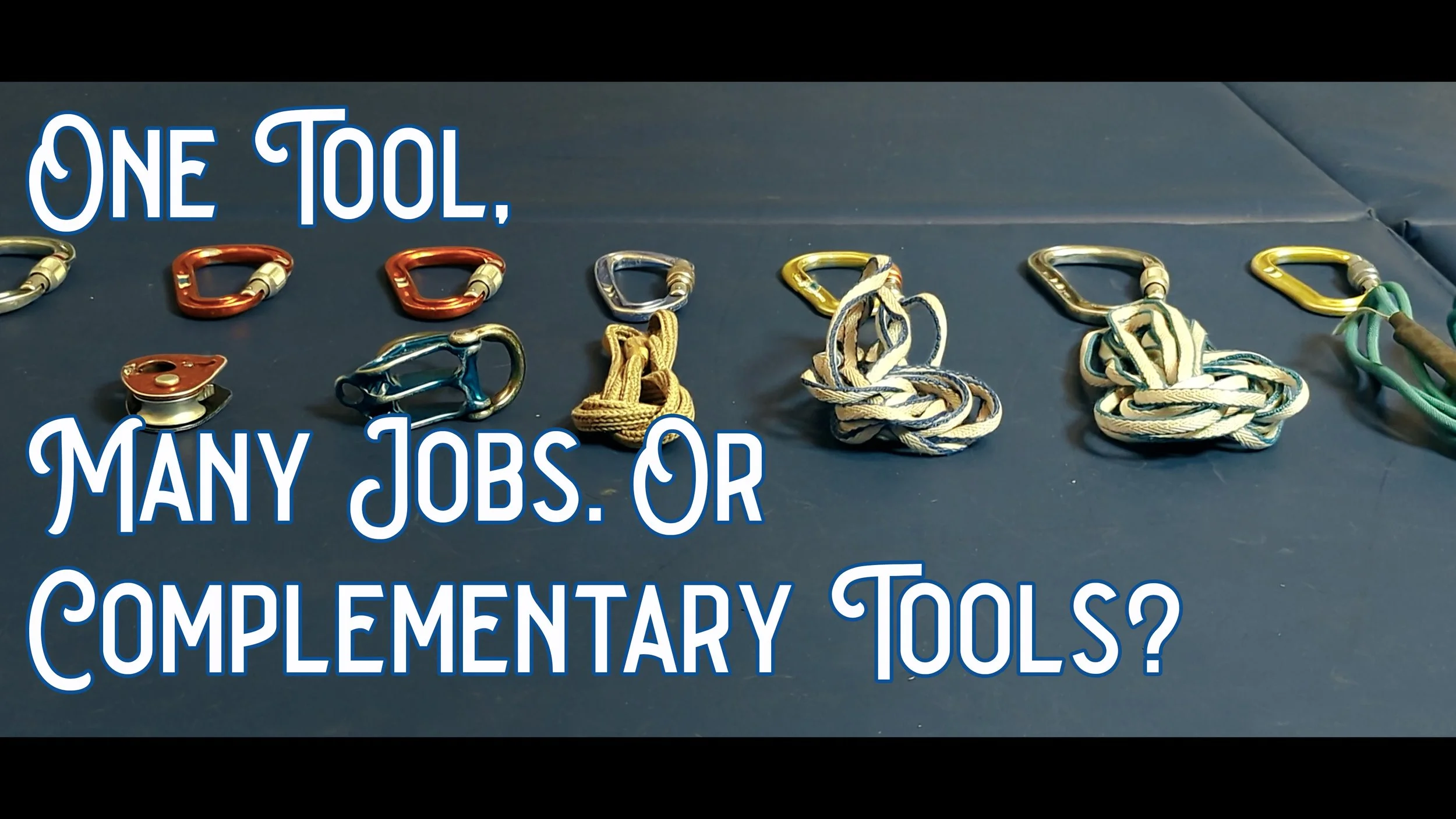
Specialized vs Versatile Gear
There are times on our climbs when we want the exact right tool for the job, squeezing the maximum amount of efficiency out of the gear as applied to the situation for which it was specifically designed. There are times we want a more general piece of gear that can be used in lots of ways even if it isn't ideal for any one particular situation. And then there are times we need to diversify gear for the unknown. Let's get into all three of these strategies.
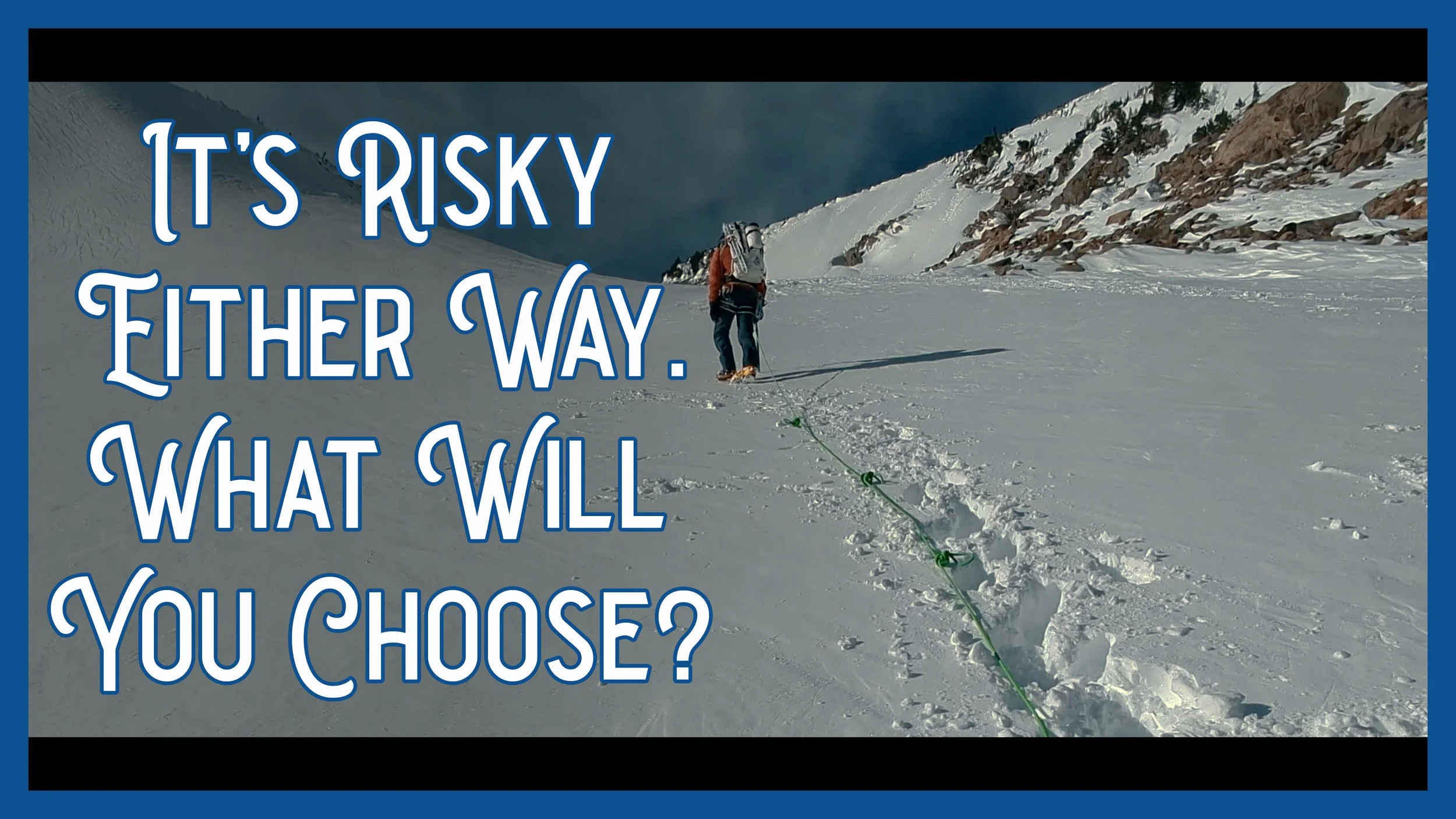
One System vs Many: The Climbing Risk We're Not Seeing
One of the foundational choices climbers make is how they want to approach systems proficiency. Do we master a few systems, knowing they won't be perfect for every situation but will be good enough, or do we learn many systems knowing the need to practice that broader set could lead to unforced errors when it comes time to apply those systems. There are other tradeoffs, too, of which we should be aware.
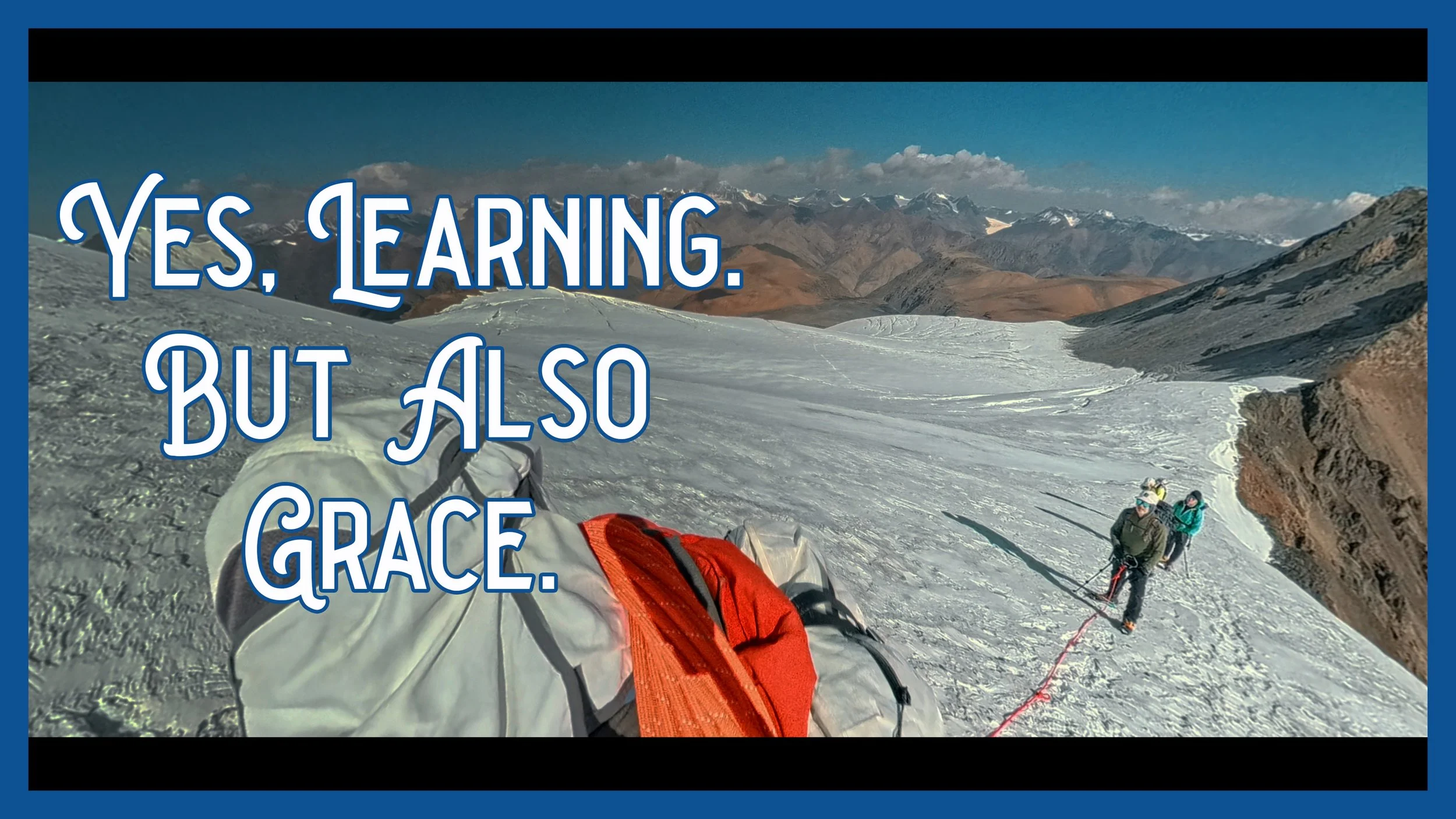
Empathy or Stagnation? How We Learn From Climbing Failures
Like many things in life, the extremes often don't serve us or the community around us. When we are confronted with the emotional tension at the heart of climbing and adventure sports accidents, neither ridicule nor disengagement allows us to learn. Empathy is the path forward, as it allows for curiosity which, in turn, allows for learning.
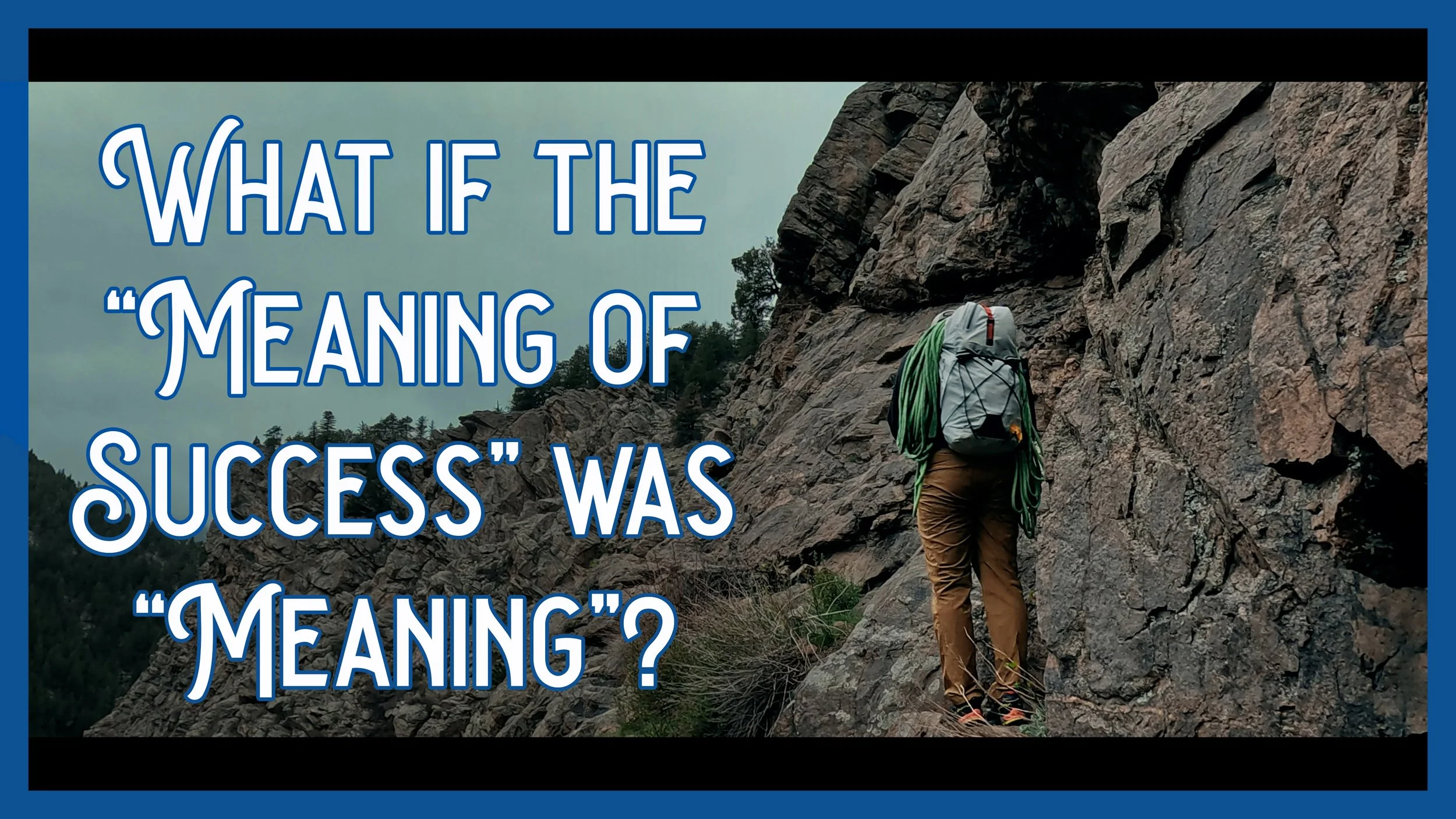
Can You Risk It and Still Last?
In a sport like climbing, and maybe particularly with alpine climbing and mountaineering with their long histories of rebellious individualism, it is somehow still easy to get trapped into others' definitions of success. If we have the courage to carve out our own definition of success, then maybe we can escape the potential trap of ever-contracting safety margins.
The Most Dangerous Place to Cook on the Mountain
When we get into challenging climbing in mountain environments space, weather, and other constraints might necessitate that we get our calories in while in the relatively secure confines of our camping tent. How can we do that given all the risks that come from cooking with a camp stove when enclosed? Well, here's what you should never do.
DIY Hanging Kit for Your Camping Stove
Most commercial hanging kits for camping, backpacking, and climbing stoves are minimalist and light. They can be because they typically fit integrated stoves - where the stove and pot couple securely. This improves safety by containing the flame and creating stability. Can we design a hanging kit for a non-integrated stove that will bring us a similar safety profile?
Camping Stove Survival Test | Cold Weather Breakdown
Integrated stoves for camping, backpacking, and climbing transfer heat very effectively, reducing fuel demands. But the integrated stove and pot are often heavy. There are people who prefer lighter backpacking stoves, but to make alpine-ready hanging kits, they often need a heavier and more robust design to transfer heat and keep open flames away from gear. So, I ran a test on some store-bought integrated stoves with hanging kits, and some DIY hanging kits with backpacking stoves to see where the weight and performance tradeoffs may end up.
Self Arrest Technique Without an Ice Axe
Self arrest is a very necessary climbing skill if we are on moderate angled snow slopes like snow-filled gullies, or couloirs, or ridge walks above sloping mountain faces. That technique, at its best, demands proper use of an ice axe, but if we don't have or have dropped our axe, we shouldn't just give up. As a last-ditch effort to avoid having a slip become a fall, here are three techniques that don't require an ice axe.
The One Axe Difference on Snowy Terrain
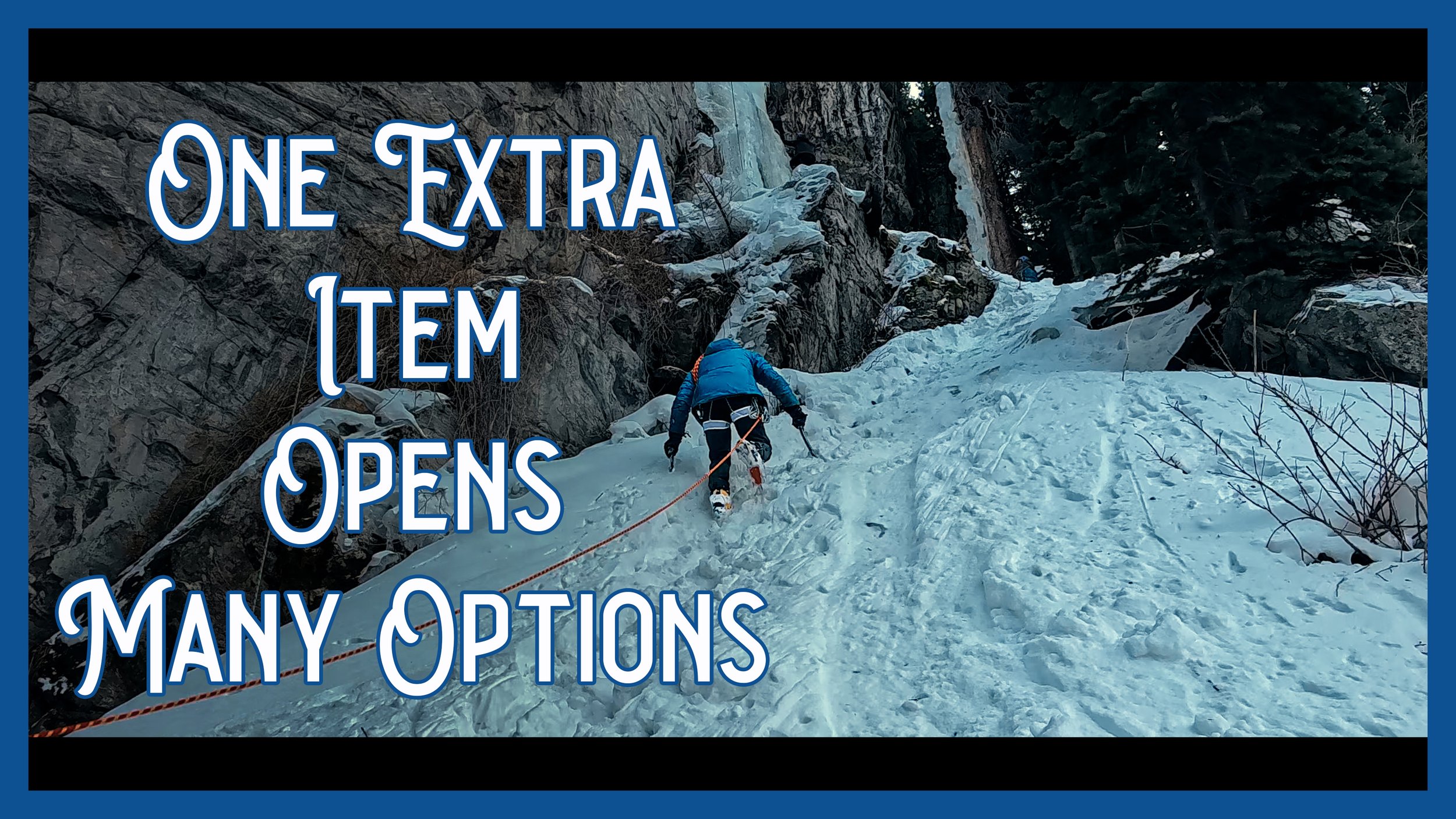
If we decide that end roping may be the right method for taking on moderately technical snow terrain on a climb, we may want to pack one axe more than we have climbers. It offers up some flexibility in deploying our end roping system. Here's why and how.
Snow Climbing: Rope Choices That Save Lives
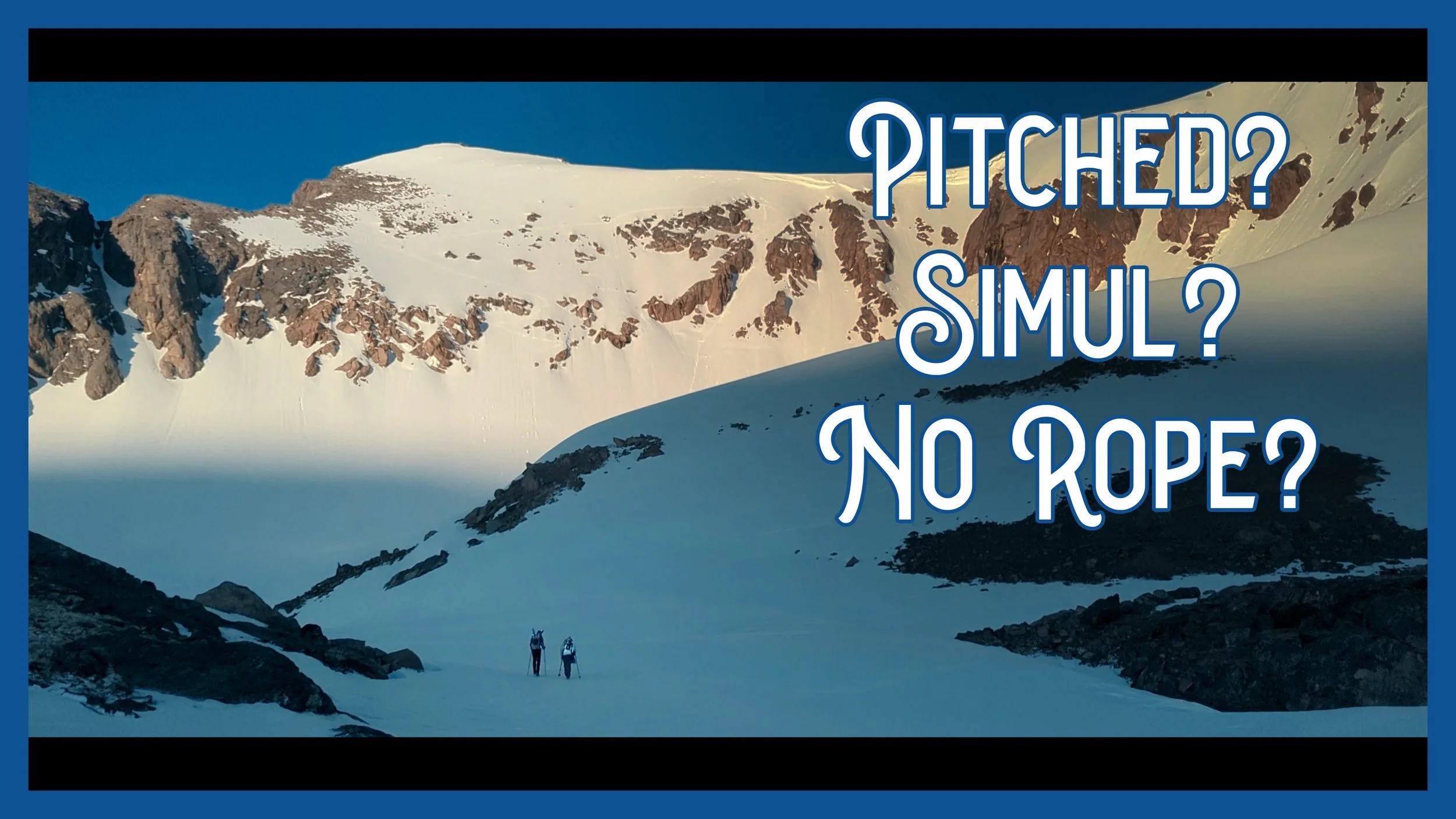
When we are climbing on snow or a glacier, we may have to consider rope systems for both crevasse falls and the more standard falls that simply come from difficult climbing moves. Factor in maintaining a pace that can get us to the summit and back before conditions deteriorate, and we have a lot to consider. Here is how I begin to approach that complexity.
The Rope Team Mistake That Kills Climbers
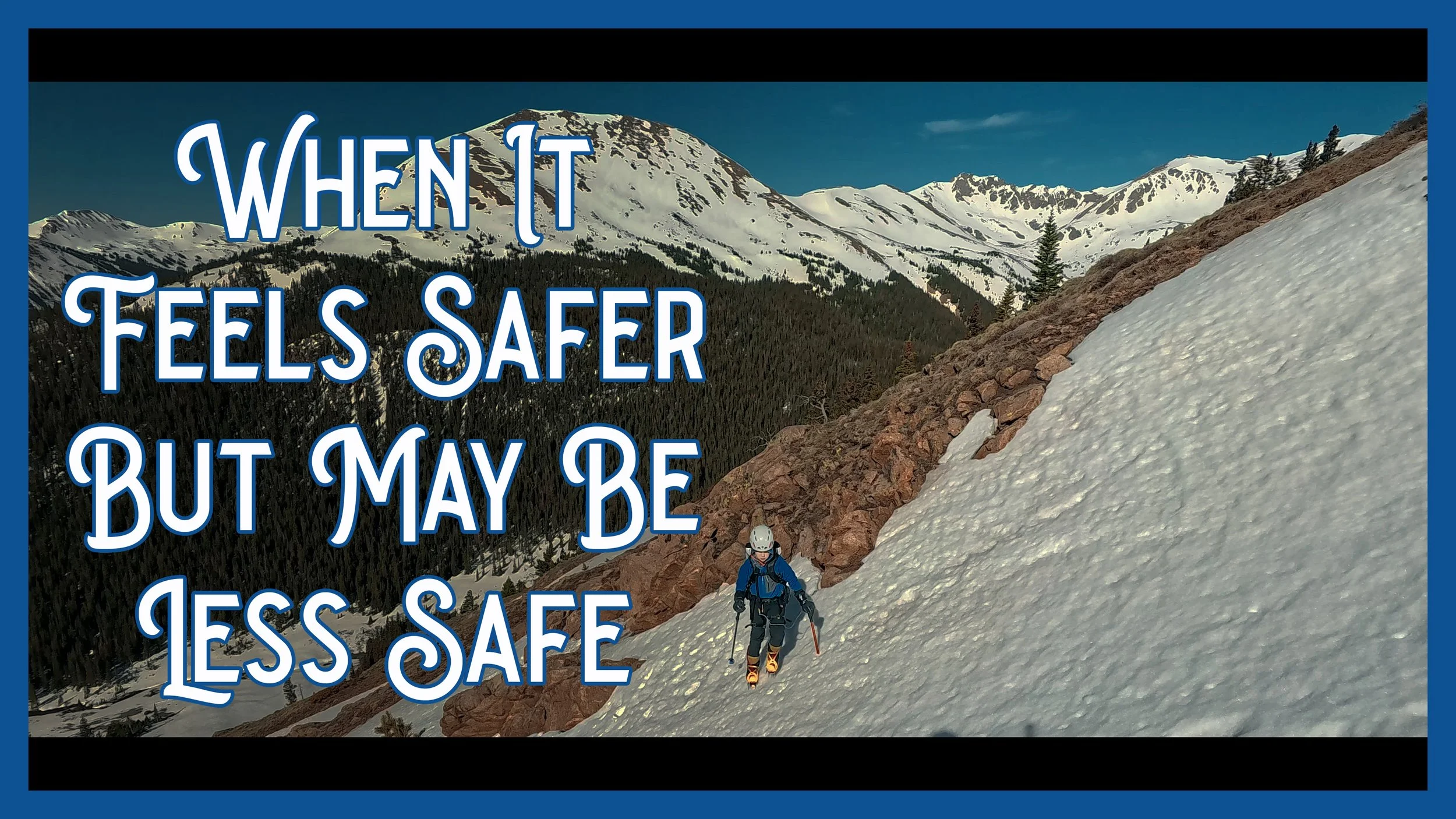
When we cross crevassed terrain, we often rope together to allow us, as a team, to catch a fall of a teammate. But that same strategy of being roped together might compound risk, not reduce it, if we use it on standard snow slopes. Let's talk about why and what choices we might make to alter our safety systems for the better.
FDA's Surprise Frostbite Approval | The Numbers Are Shocking
A drug that has been used for years to treat pulmonary hypertension has also been used for years in Canada and Europe to help with frostbite. Well, the FDA fairly recently approved its use in the United States, so let's talk about what evidence we have to support its use as well as some of the shortcomings of the supporting studies.
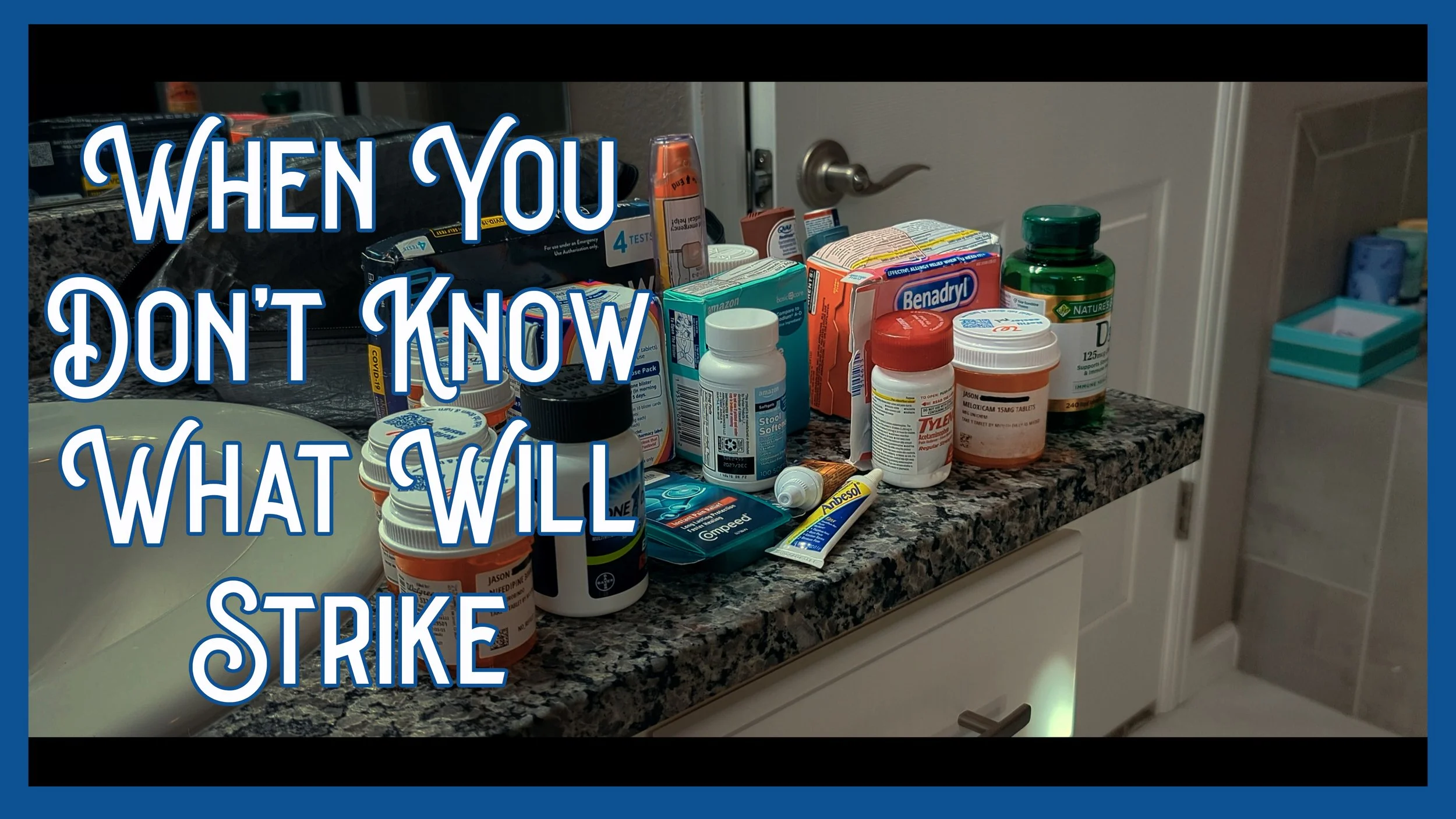
Do High-Altitude Climbers Really Need All These Medications?
I recently went on an expedition to Kyrgyzstan. In preparation for that trip, I needed to consult with my physician on the medications I might need for the travel and the rigors of climbing hard and climbing at altitude. Of course, my medications won't be right for you, so this breakdown of what I brought might be a starting point for a similar conversation with your physician, allowing the both of you to choose what may be right for you.
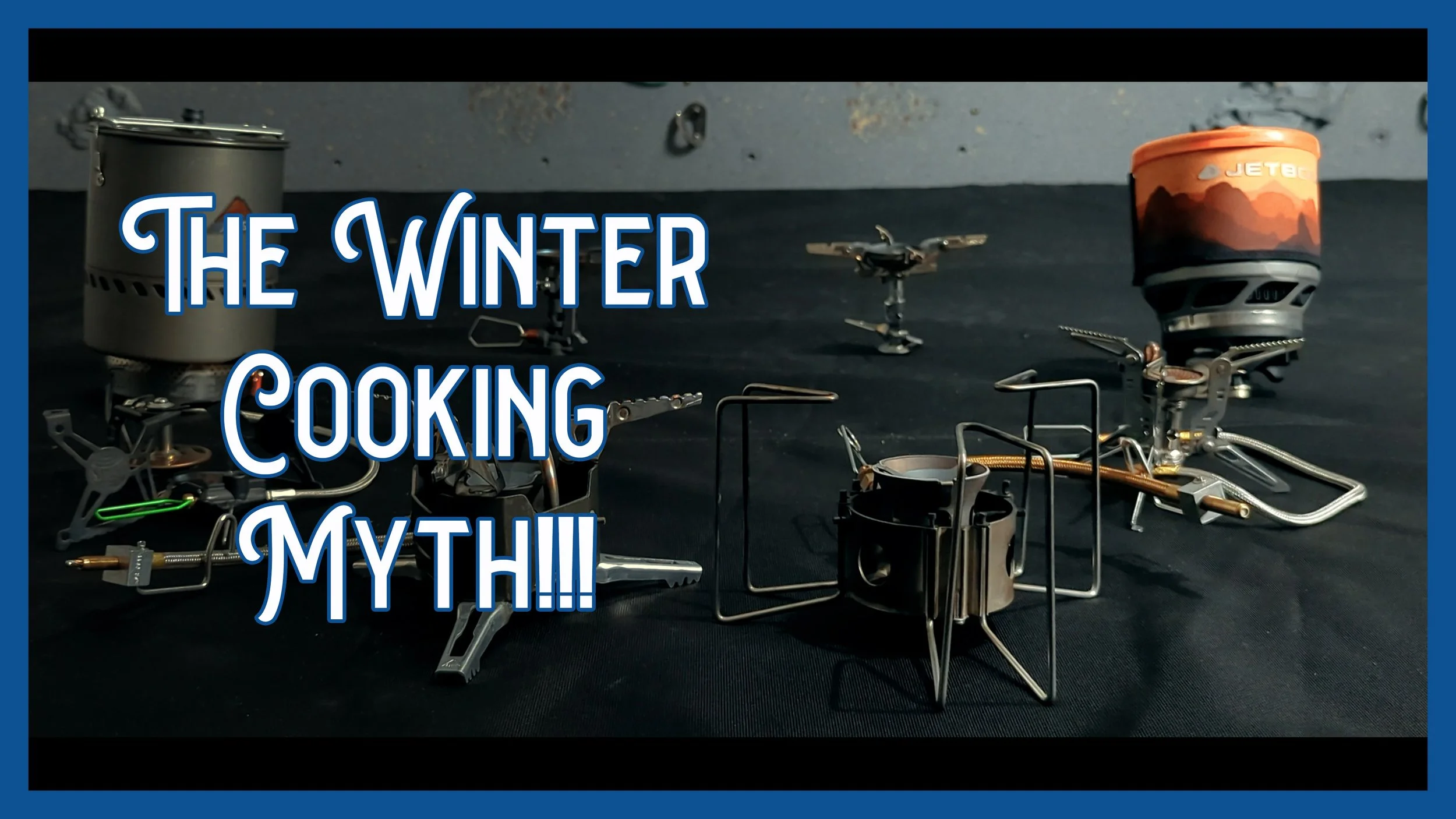
Winter Stove Test Results Will Surprise You!
I hear that canister stoves don't work in the cold a lot. But I've also used canister stoves in the cold a lot, and so have many other climbing teams who head to the coldest corners of the globe. However, it could be that there are times that canister stoves make more sense and times liquid-fuel stoves are a better option. This test of eight different stoves sheds some light on how the knocks on canister stoves are overstated as well as circumstances where liquid-fuel stoves might make a better choice.
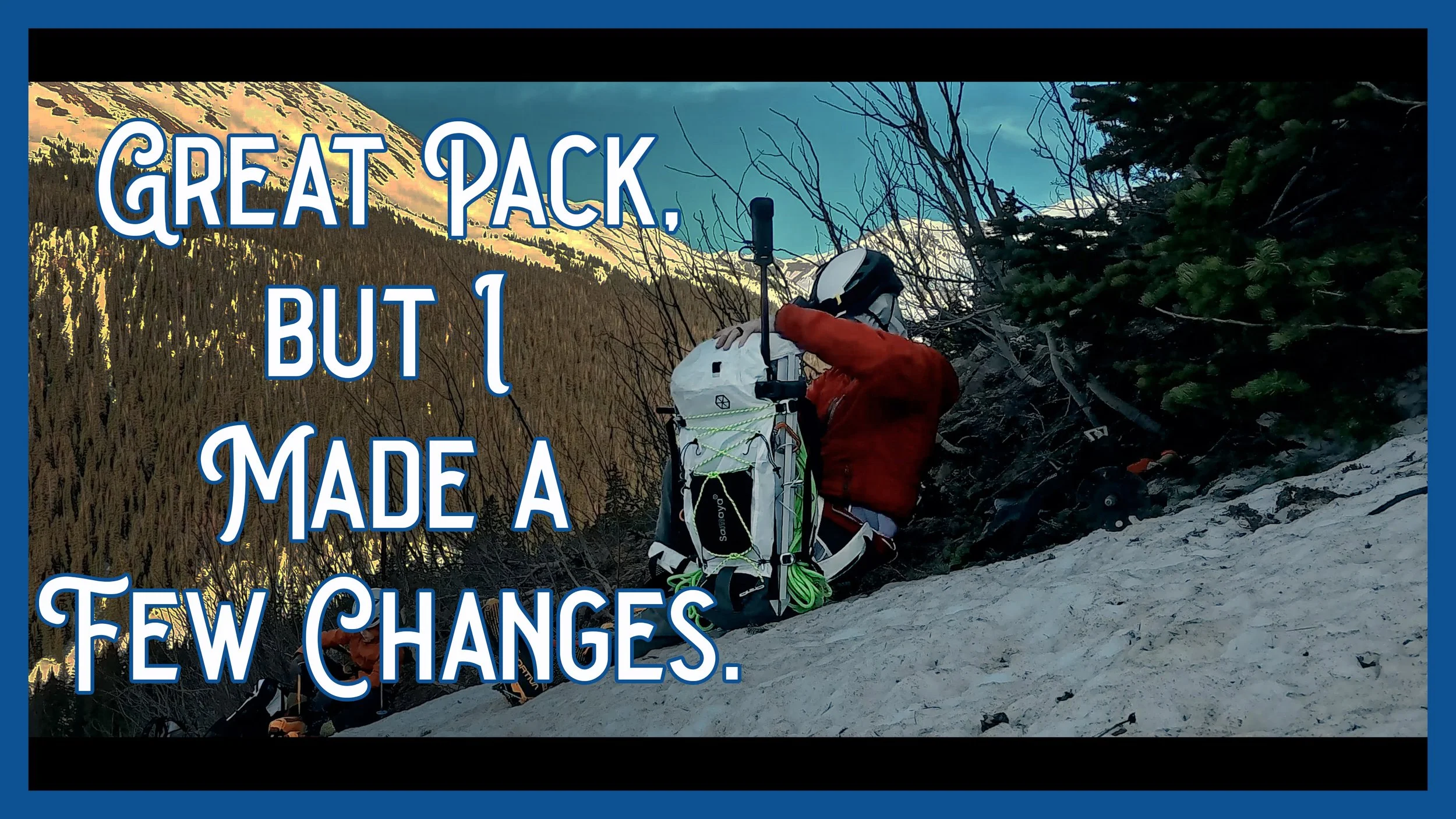
Is This Backpack Really Worth It?
After one year of use and one big expedition in Asia, I've learned enough about the Samaya Ultra 60 pack. Here's what I've found to be the pros and cons along with a few modifications I've made to my pack.

How I Trained to Climb Over 15,000 Feet!
Climbing at three miles (4800 meters) above sea level can be a challenge for out body's physiology. Having access to almost as high of peaks in Colorado, here is how I spent the final month before my trip to that three-mile altitude to ensure I showed up pre-acclimatized to the altitude along with a discussion about why intermittent trips up to altitude can still help acclimatization.

I Tested the Flextail Zero Pump and was Surprised!
Flextail makes the Zero Pump and claims it to be the lightest self-contained pump for both inflating and vacuum deflating your backcountry sleeping mattress. I purchased my own and tested it out over multiple seasons. Here's a full review of the pump and my take on circumstances when carrying this into the wild makes sense for me.

Can Your Climbing Trip Plan Save Your Life?
A trip plan can keep you and your climbing partners on the same page but also can help your loved ones deal with any emergencies that might arise. So, what can we put in our trip plans to ensure we meet these needs?
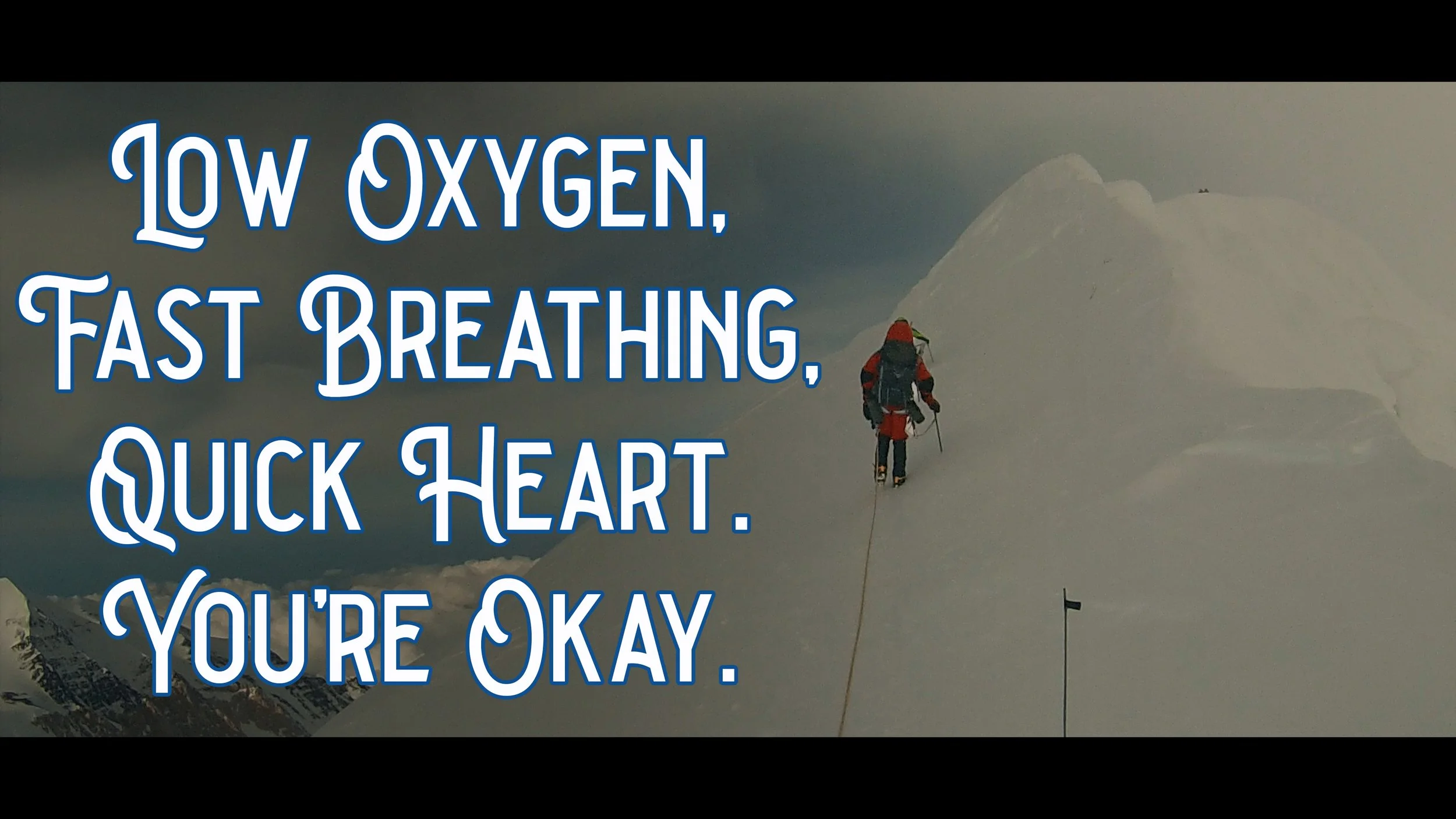
What Happens to Your Body When You Climb Truly TALL Peaks
Whether going from sea level to moderate altitude or from moderate altitude to high altitude, our bodies need time - and water - to adjust and adapt to the reduced oxygen we will take in. This video gives an overview of the physiology, the potential illnesses, and the preventative tactics that all come into play when we experience significant altitude changes.

Using Close Call Assessments to Make Climbing SAFER
Every May, we make videos on the mental side of climbing and adventure in recognition of National Mental Health Awareness Month. This video talks about close call assessments, discussing what they are, who uses them, how they can make our climbing safer, and walks through a low-effort way we can apply them to our own climbing.