
Short clips
Trailers to full length videos and stand-alone quick tips; everything we make that is under 60 seconds
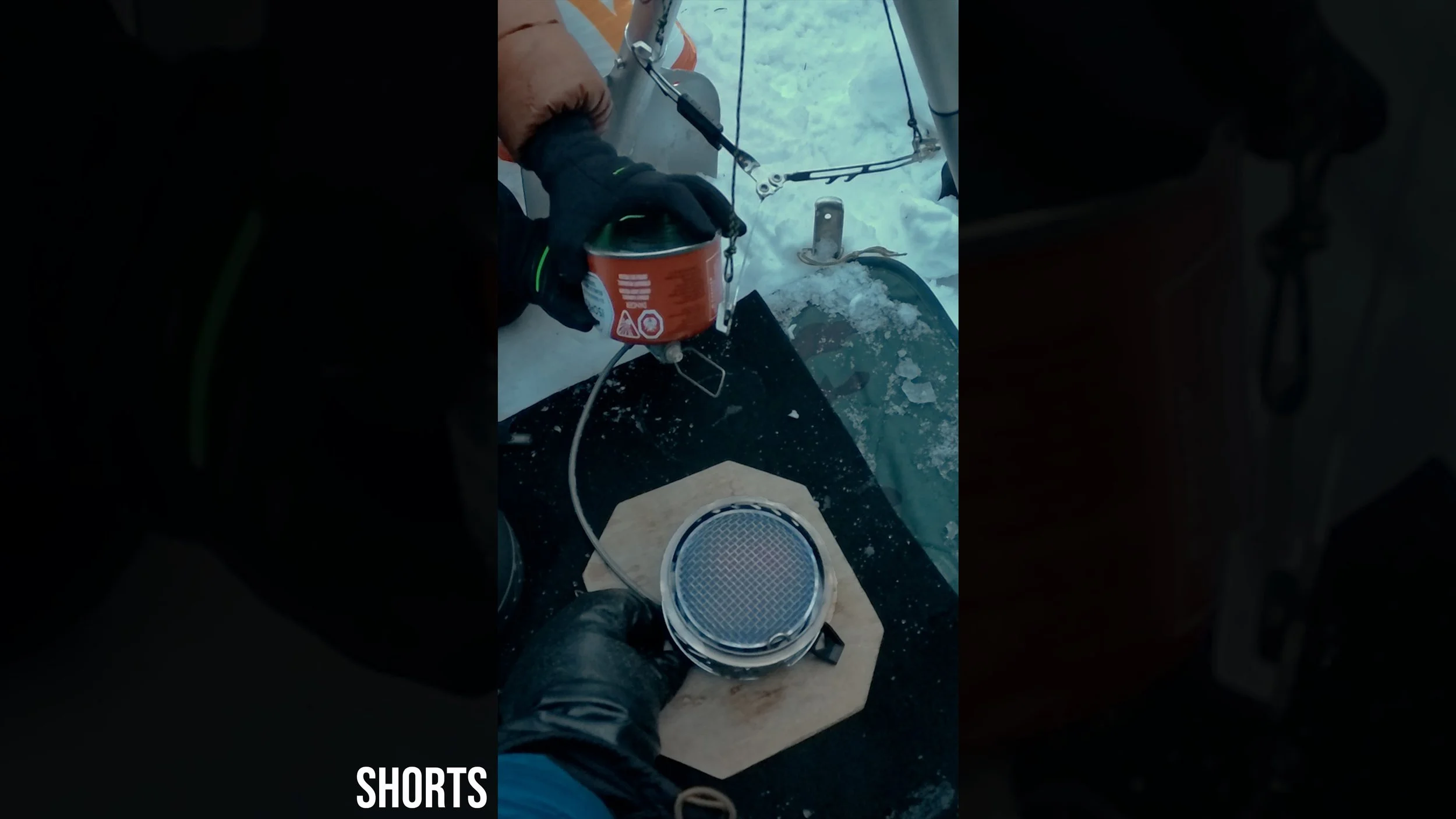
Inverted Canister Stoves - Ignite It Safely
Canister stoves that allow us to invert the canister, move the fuel as a liquid to the stoves’ vaporizing tubes. That improves cold weather performance. But those stoves can flare if we don't watch out for flooding the stove with fuel. Here's a simple procedure to avoid that problem.
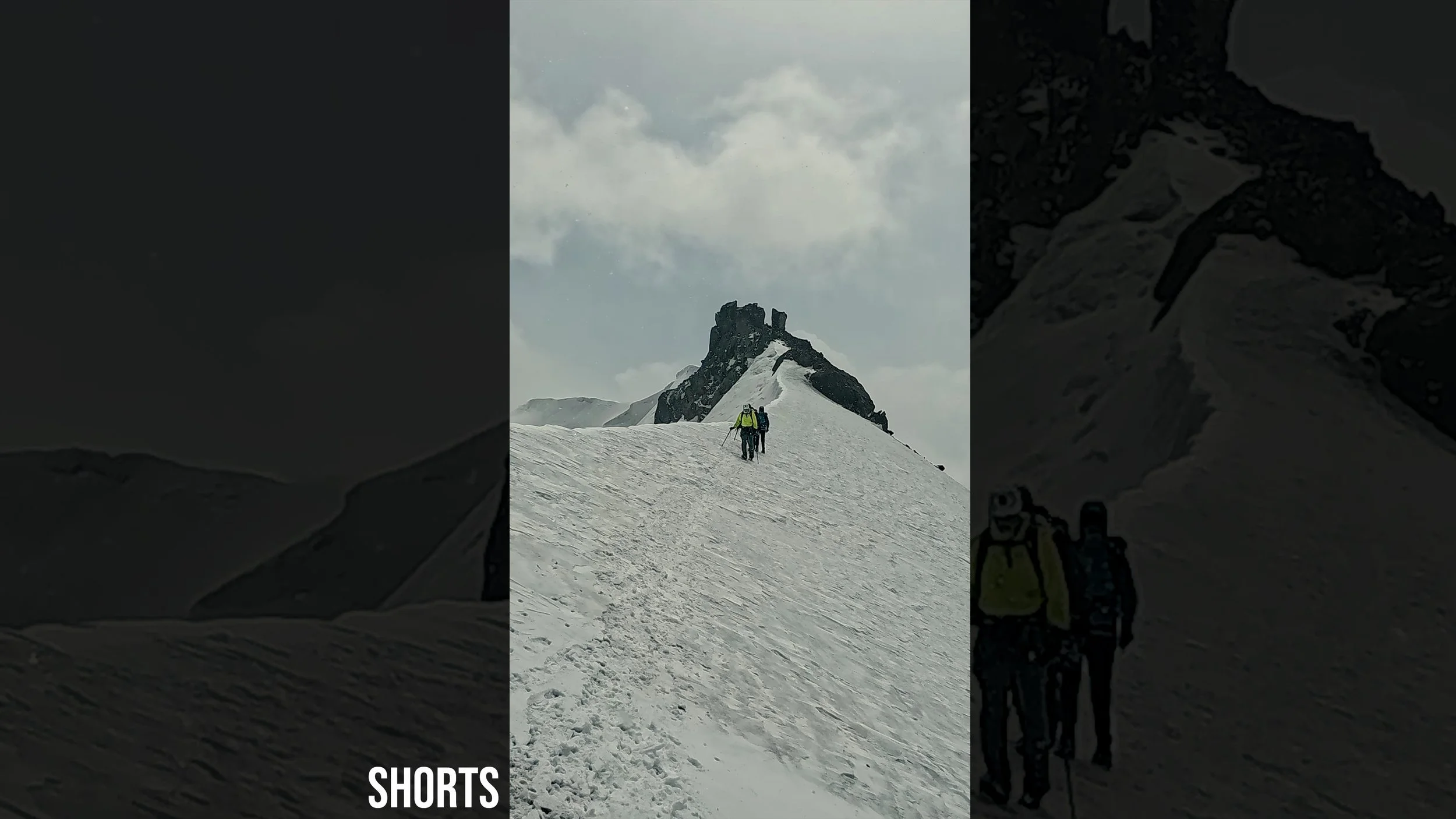
One Mistake on This Ridge and You're Gone
Winter and spring climbing often takes us to ridges where we can mitigate against avalanche danger by walking above the terrain hazard. But while on that ridge, we may be facing another danger: cornice falls. Here's some of the things to consider as we navigate loaded snow sitting on top of the ridge instead of below it.
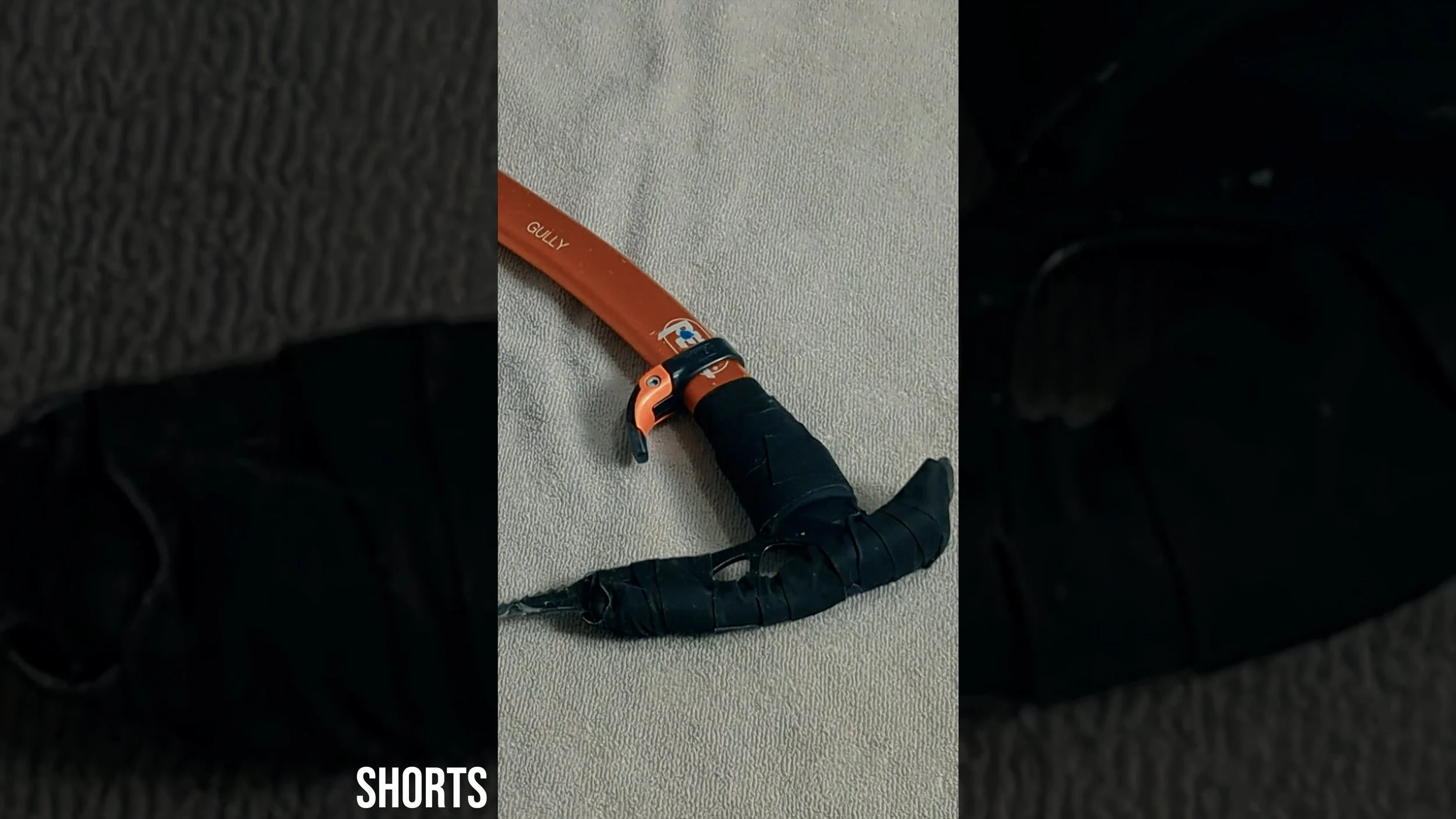
This Ice Axe Hack Keeps Your Hands Warm
Ice Axes, when made of metal, will conduct the cold from the snow and environment around us. There are options that are less conductive, like carbon fiber, but we may want to keep using a robust metal axe for use with certain techniques. So, what can we do to reduce the cold from that axe that is freezing our hands?
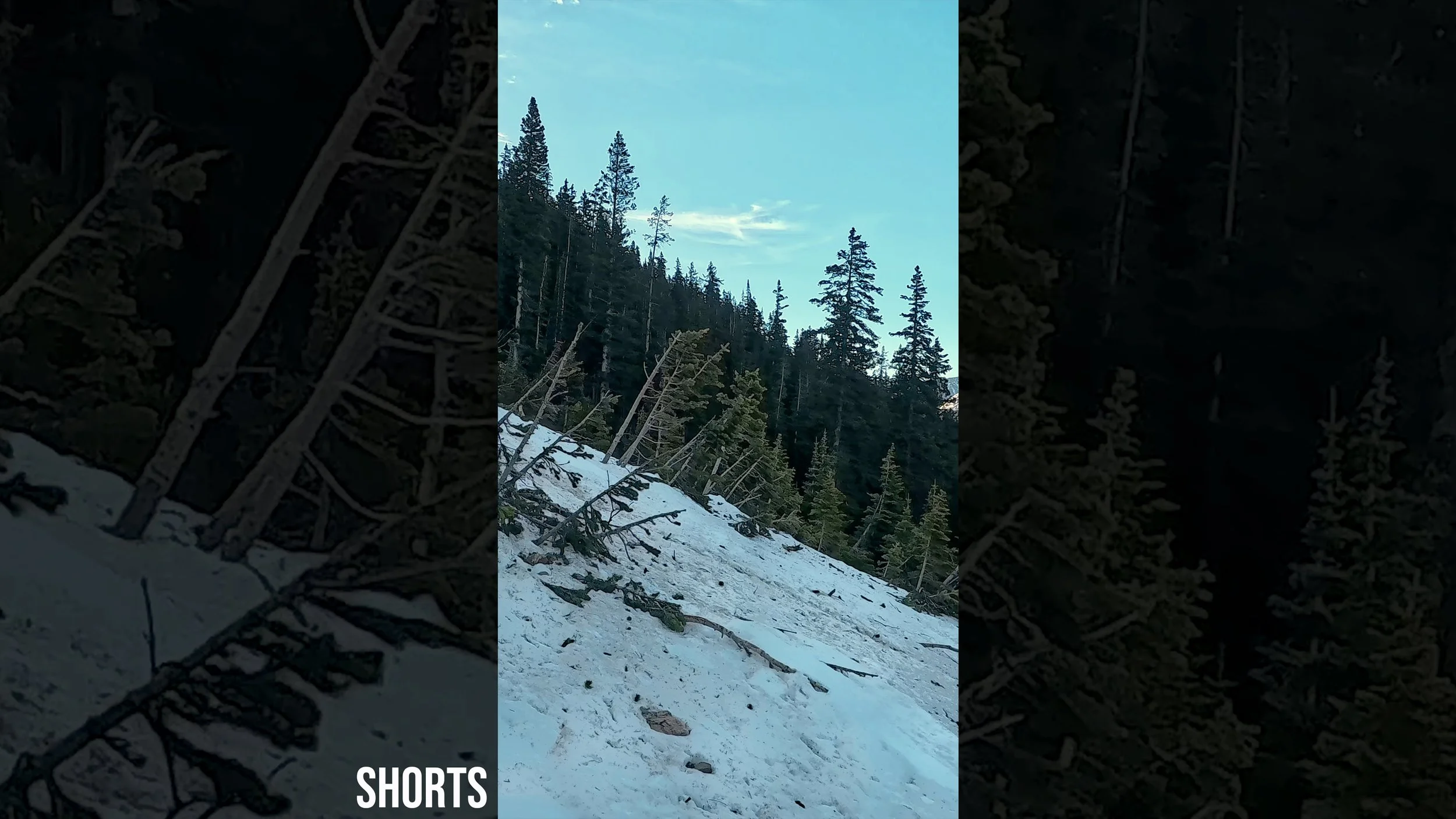
Avalanche Season Isn't Over
When the snow has stopped falling in town, the mountains can still have considerable avalanche danger. Snow could still be falling up high. Winds could be shifting new snow onto loaded slopes. So, as we get out to snowshoe, hike, and climb, we will want to take seriously both planning routes that avoid the most dangerous slopes and also make sure we get educated about avalanche safety.
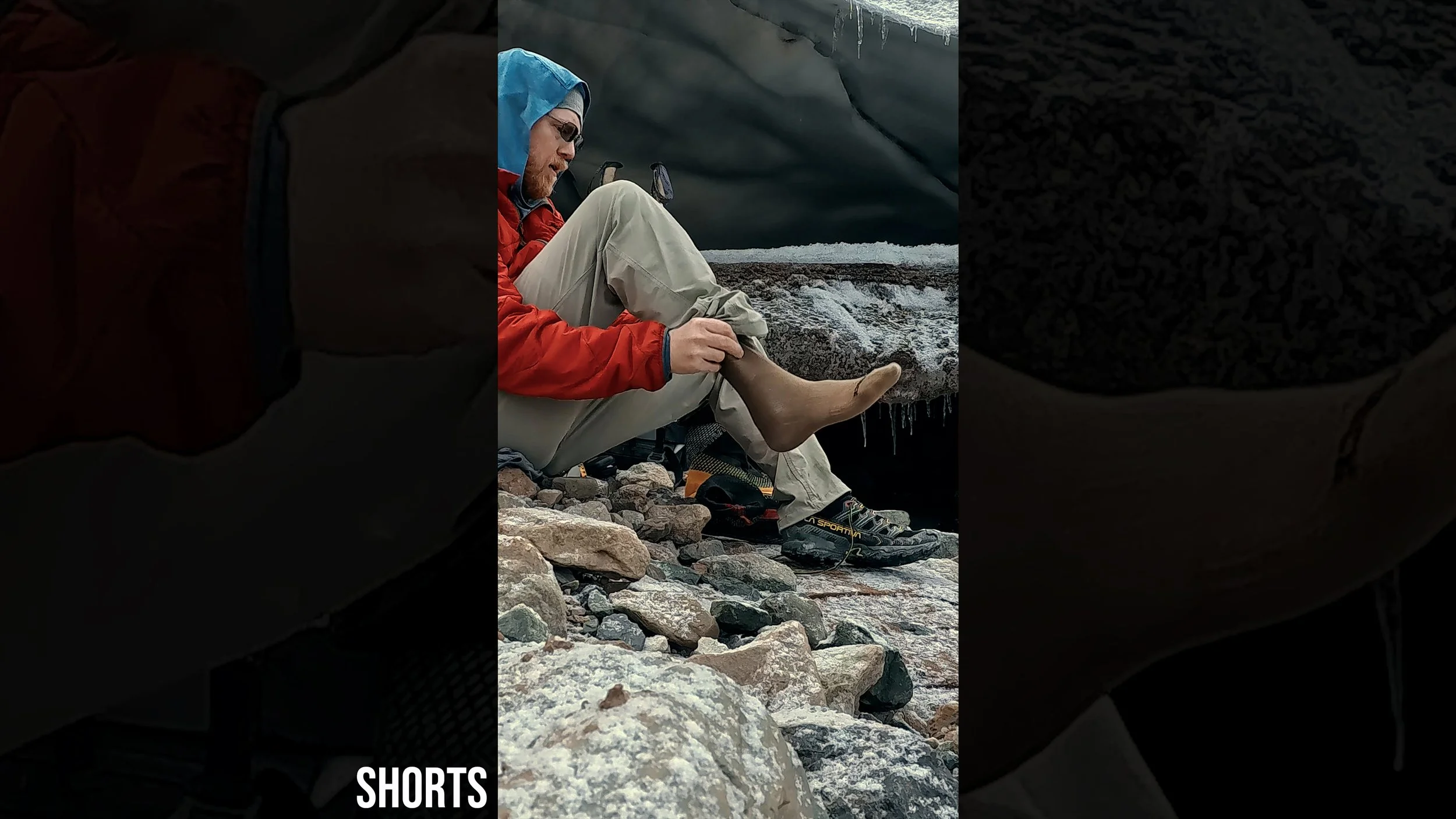
Don't Let Foot Problems Derail Your Next Adventure
When we are out for more than a few days, backpacking or on expedition, our feet support each and every step. When it comes to foot pain, what starts out as minor discomfort can start a cascade of increasingly severe issues. So, while it may be tempting to hold off treating a minor issue, we never know when the minor issue can be a precursor to more inhibiting problems.
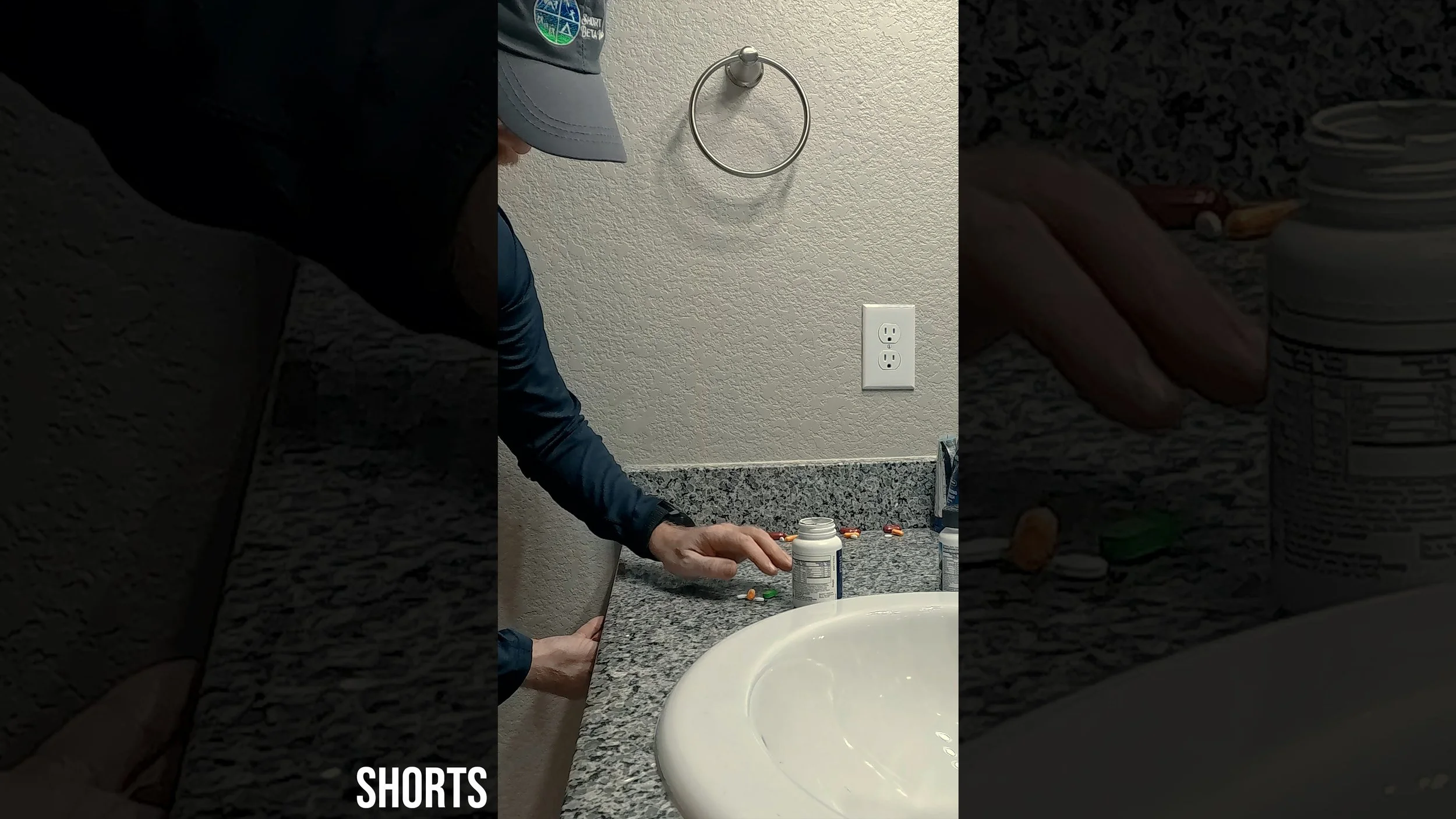
Don't Take These Medications When High Altitude Climbing
When we are climbing, camping, or hiking at higher altitudes, we want to do what we can to acclimatize well, helping our body adjust to the less oxygen we take in with each breath. According to respected physicians, like Dr. Peter Hackett, we want to avoid certain sleep aid medications that slow our respiration rate, making acclimatization even more difficult.
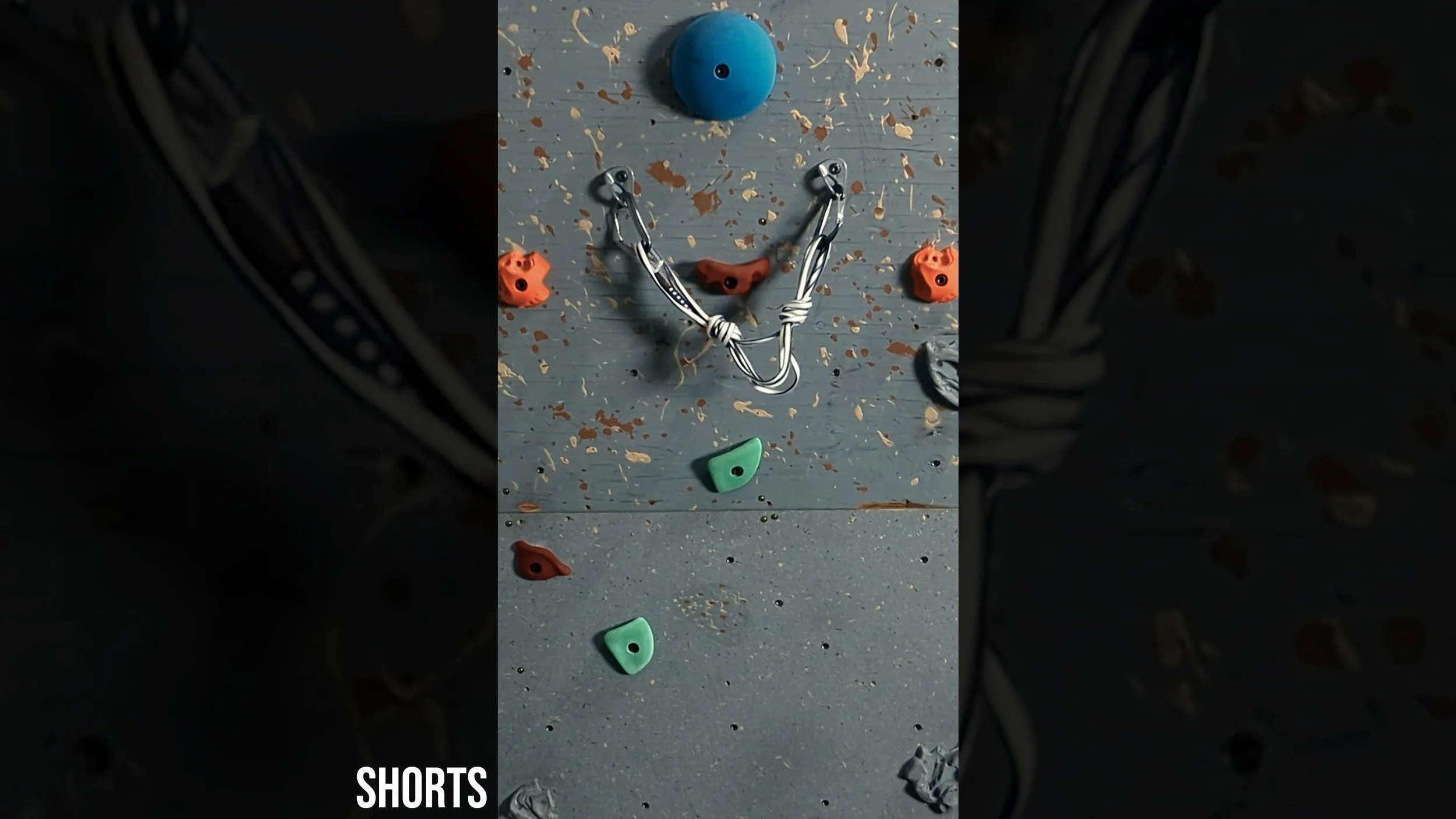
A Shelf on a Quad Anchor?
The quad anchor is traditionally done with a doubled over sling and produces two different double-strand master points. But with a little creativity, we can create a raised shelf that sits higher than the lower master point.
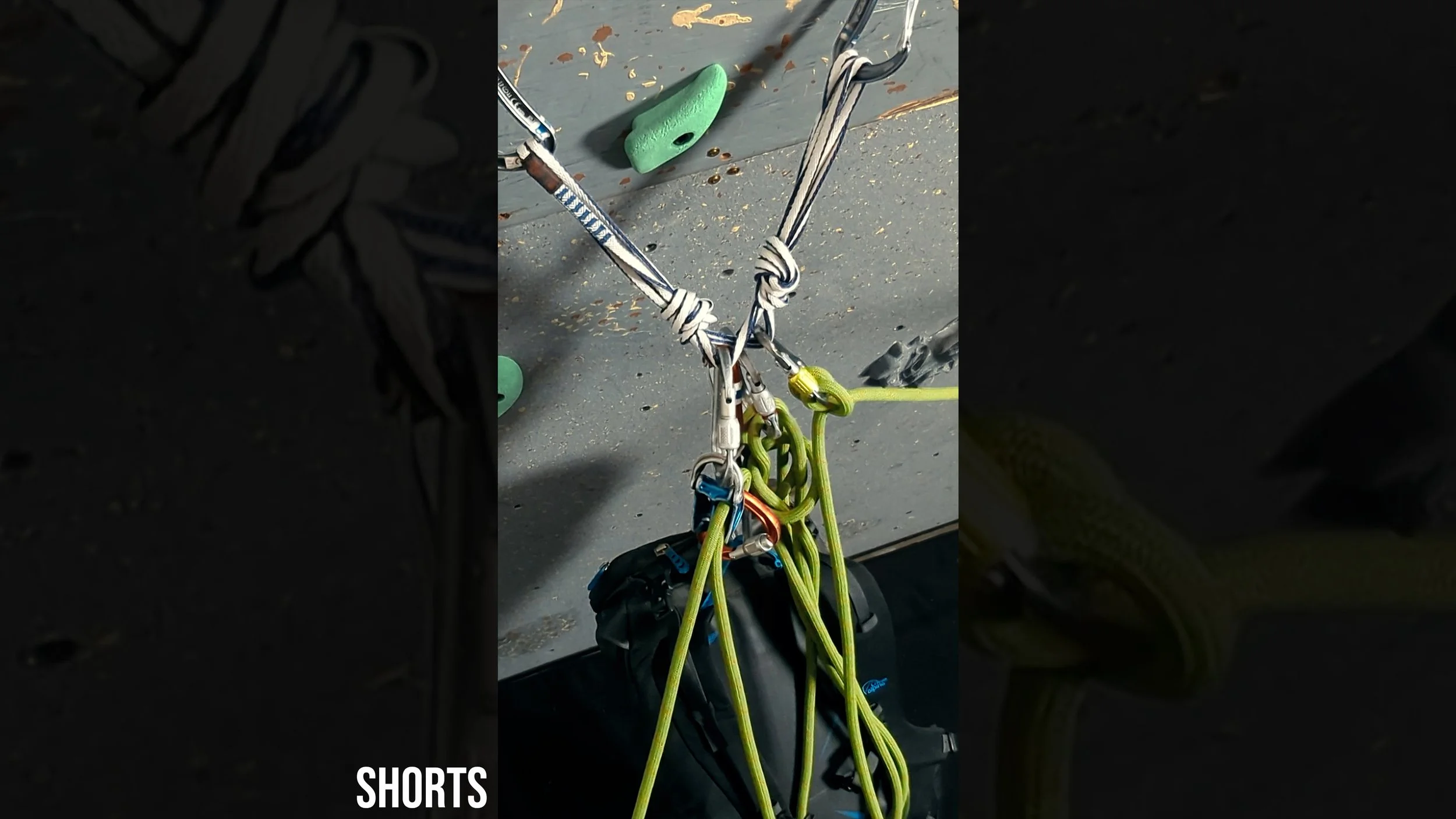
The Triple Master Point Quad Climbing Anchor
The quad anchor is traditionally done with a doubled over sling. Well, if we have a 240cm sling, we have enough material to triple it over before tying our load limiting knots, raising our master points higher and adding three two-strand, load-limited master points to the setup. Here's how to do it.
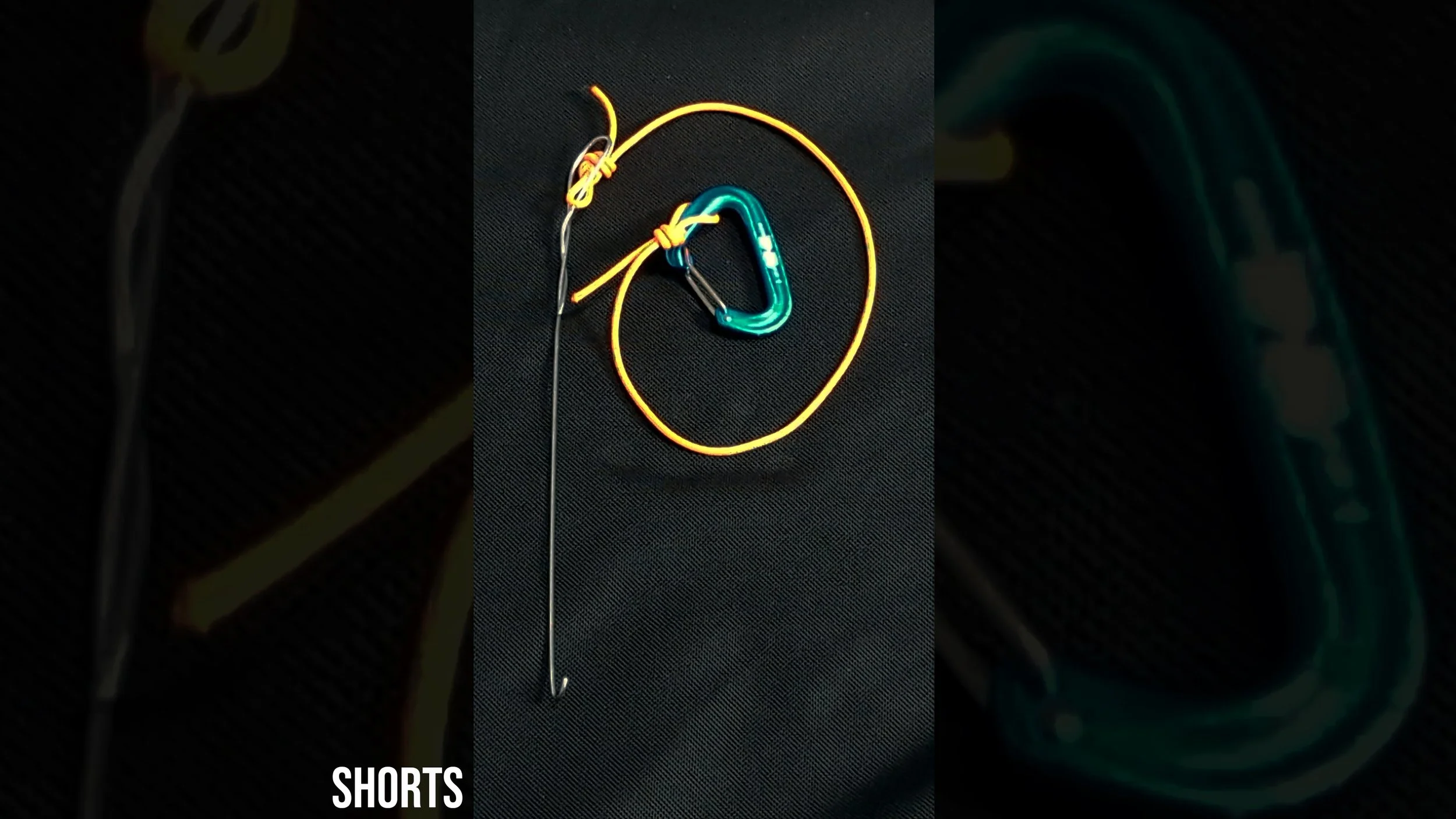
DIY V-Thread Tool from Wire Hanger
Ice climbers drill holes into the ice that connect at the back and then run cord or the rope through those holes to make "V-thread" anchors. While there are tricks to fish the cord, runner, or rope from the back of the tunnels, it is far easier to do with a "V-thread tool." Here's how to make a DIY version made from a wire hanger.
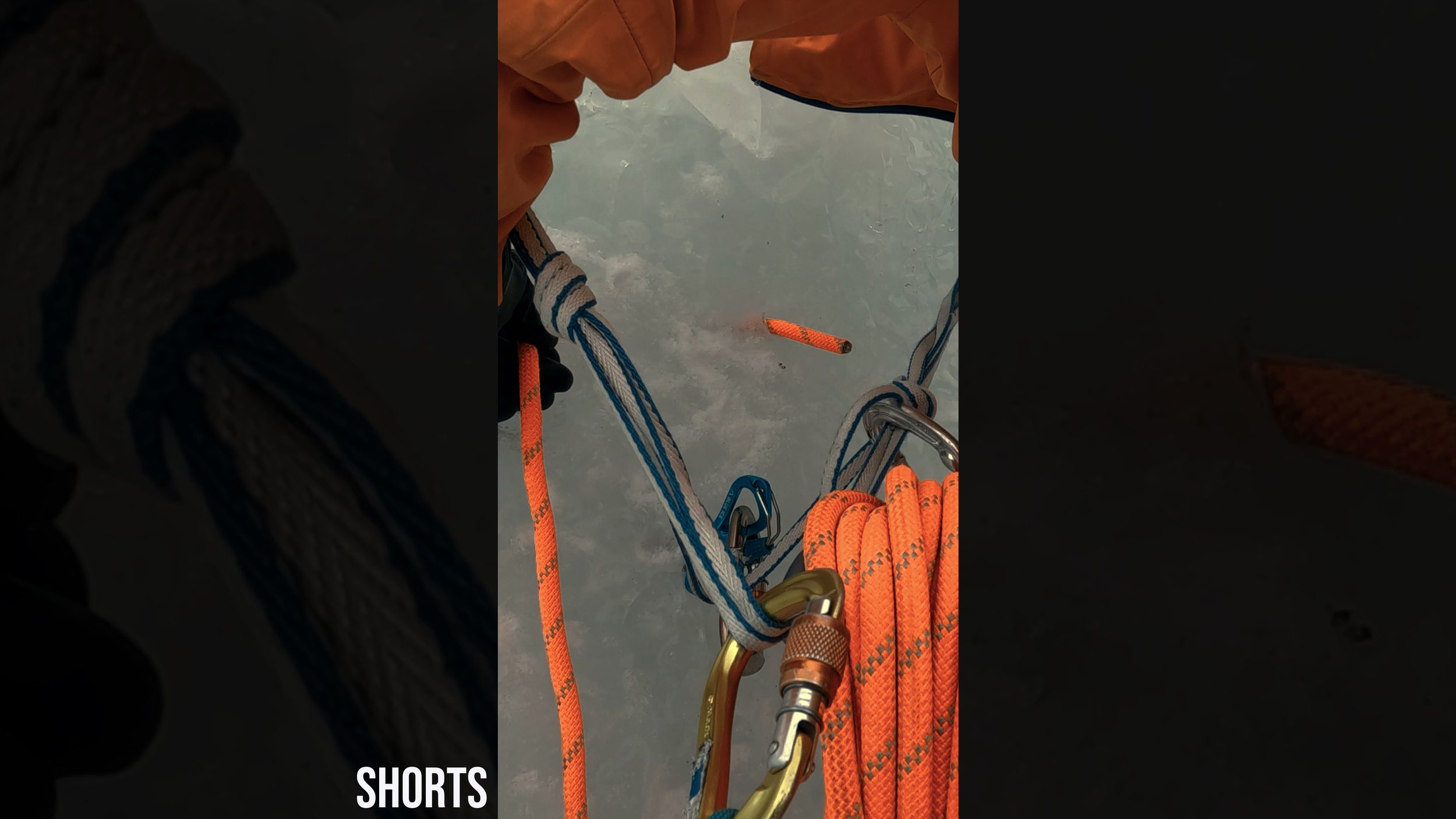
V-Thread, A-Thread, Zero-Thread Ice Anchors: What's the Difference?
Ice climbers will build several different kinds of "threaded" anchors, drilling holes into the ice that connect at the back and then running cord or the rope through those holes. It may feel like the names are used interchangeably, but they can have specific meanings and each of those different anchor types have their pros and cons.
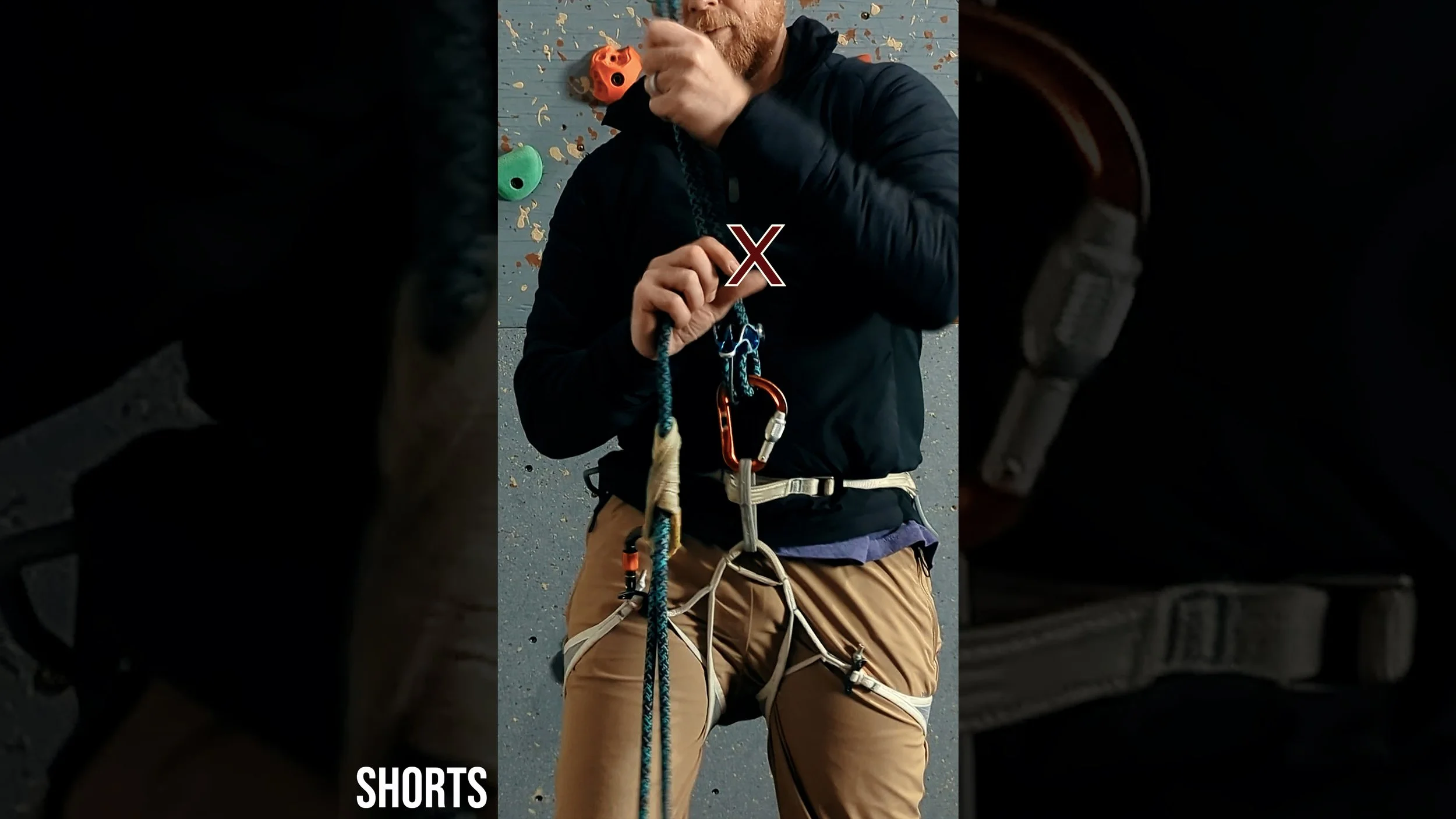
Modern Rappelling Technique vs Old School Method
As a community, we climb, we succeed, we fail, we learn, we climb some more. And the techniques evolve as we learn. Those changes to tools and techniques sometimes include modifying what was once foundational skills. Here’s an example of a change to what used to be standard rappelling technique that has evolved to a new best practice.
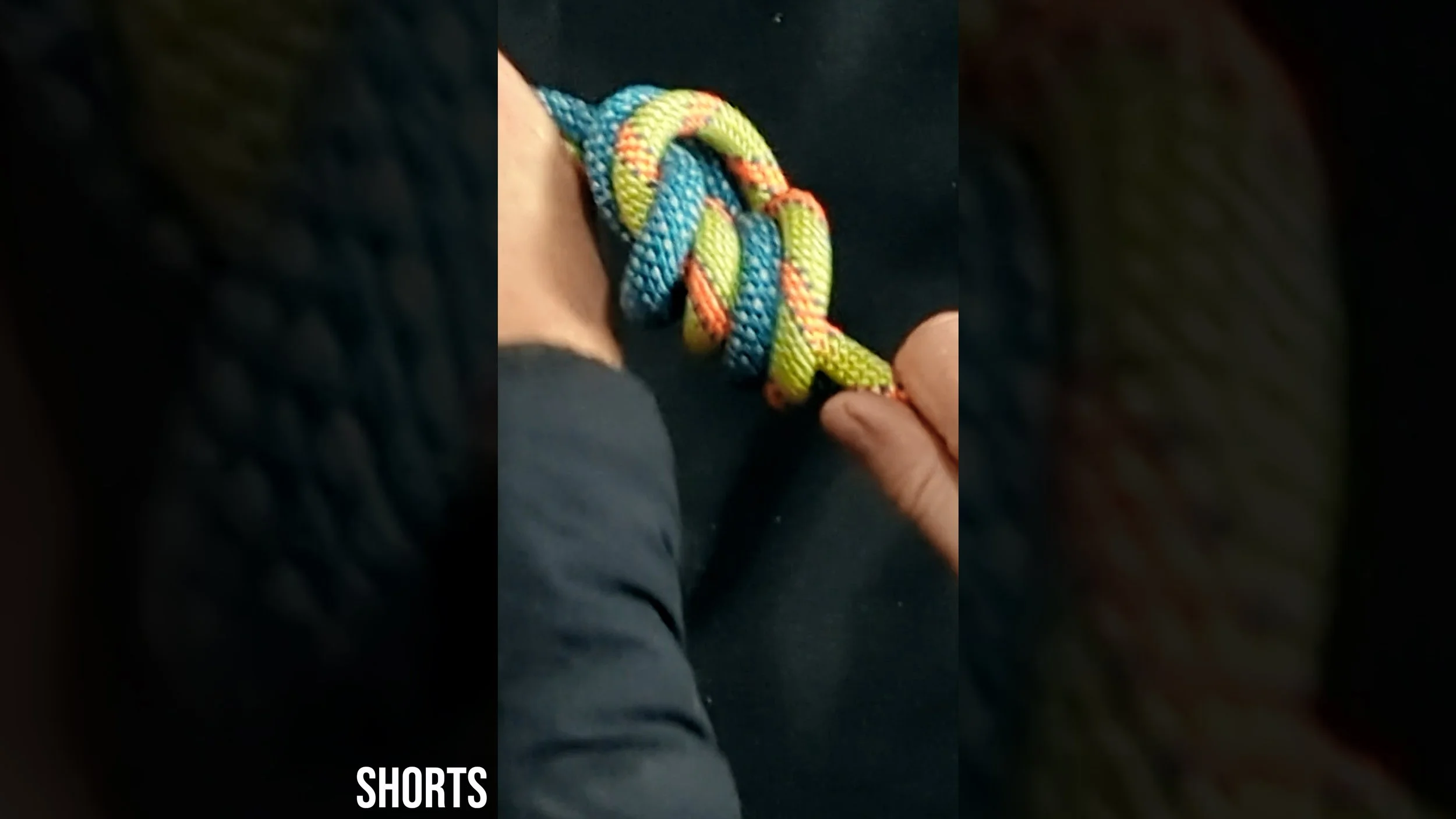
Half Gibbs and Gibbs knots vs the Flat Overhand
While the flat overhand bend is typically considered the standard knot for joining two ropes and doing a double-strand rappel in a climbing context, there are times when it might not be the best choice. Here are a couple of situations when a different knot may be a better choice along with a how-to on tying two of those alternatives: the Half Gibbs and the Gibbs bends.

Rappelling in the Wind? This MISTAKE Could Leave You Stuck!
When we are rappelling (abseiling) in high winds, yes we have to worry about getting the ropes down the route, but we also need to consider which strand to pull as we take our ropes down after the rappel. If we choose the wrong strand, we might end up with a tangle that can get our ropes stuck and unretrievable.
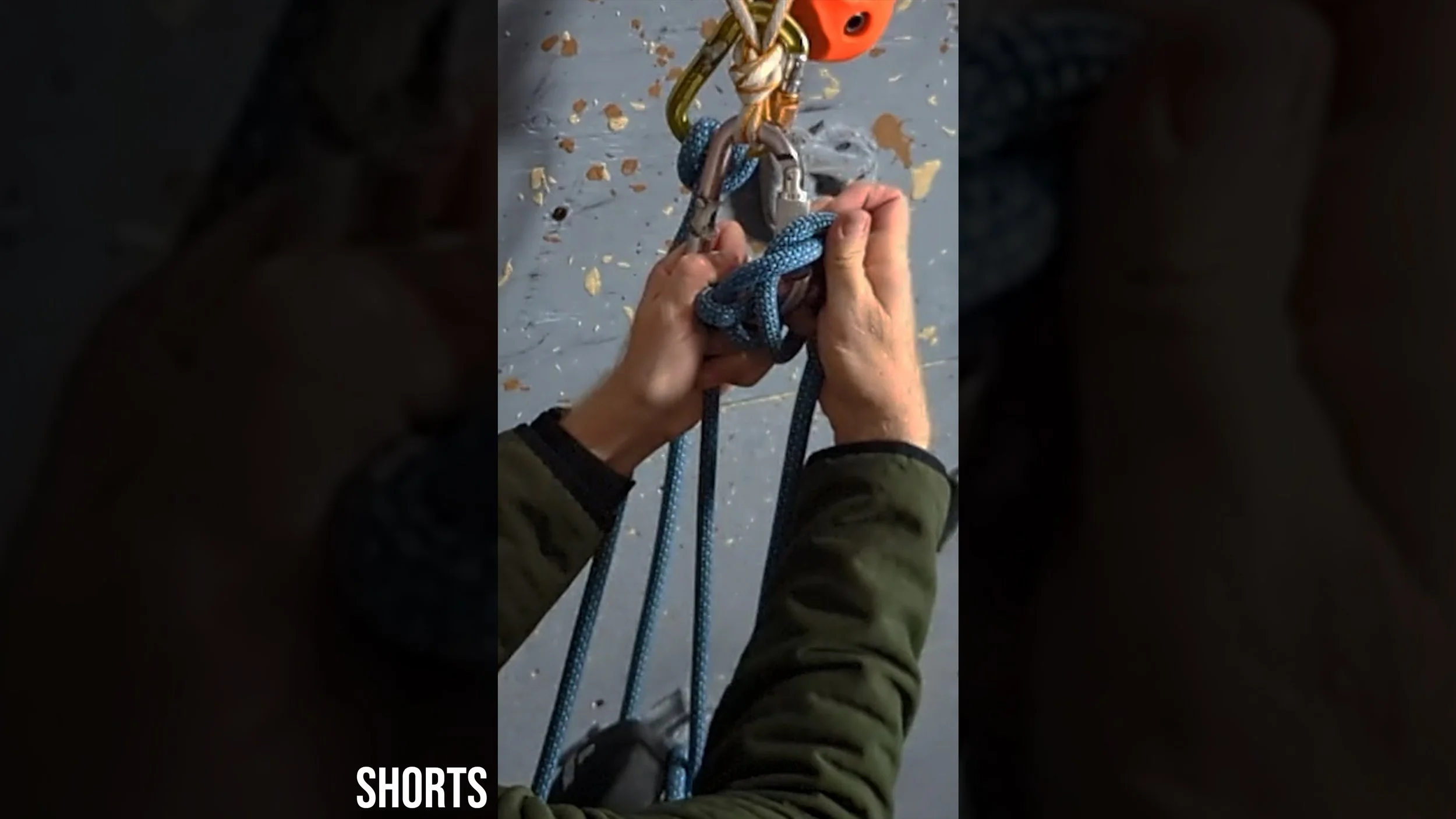
Mastering This ONE Climbing Knot Trick to Keep Your Partner SAFE!
When we are belaying from a Münter, we may have to turn that hitch into a clove once our partner is up and at the anchor. We can do so cleverly with two clips or with one. It is safer to only open the gate once, but that is only if this maybe more complicated method of tying the hitch is done swiftly and correctly each time. Tradeoffs.
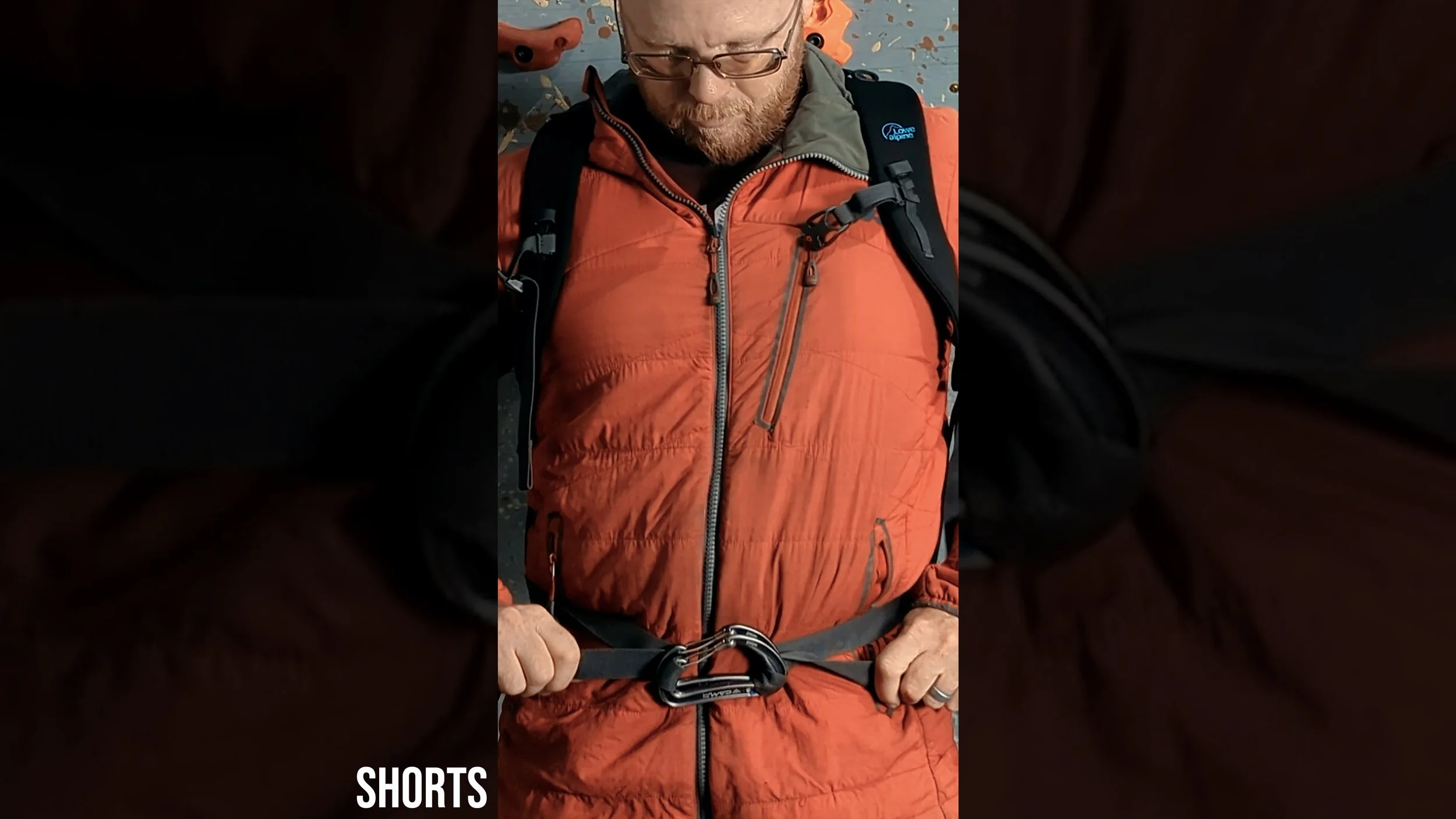
Backpack Buckle BROKE? Try This Simple Fix!
If we've had the waist strap buckle on our backpack break, we can fix this in a minute using two carabiners we likely already have on our harness. It's enough to get you through the climb, or even the expedition, if you are away from the shops you need to get a replacement buckle.
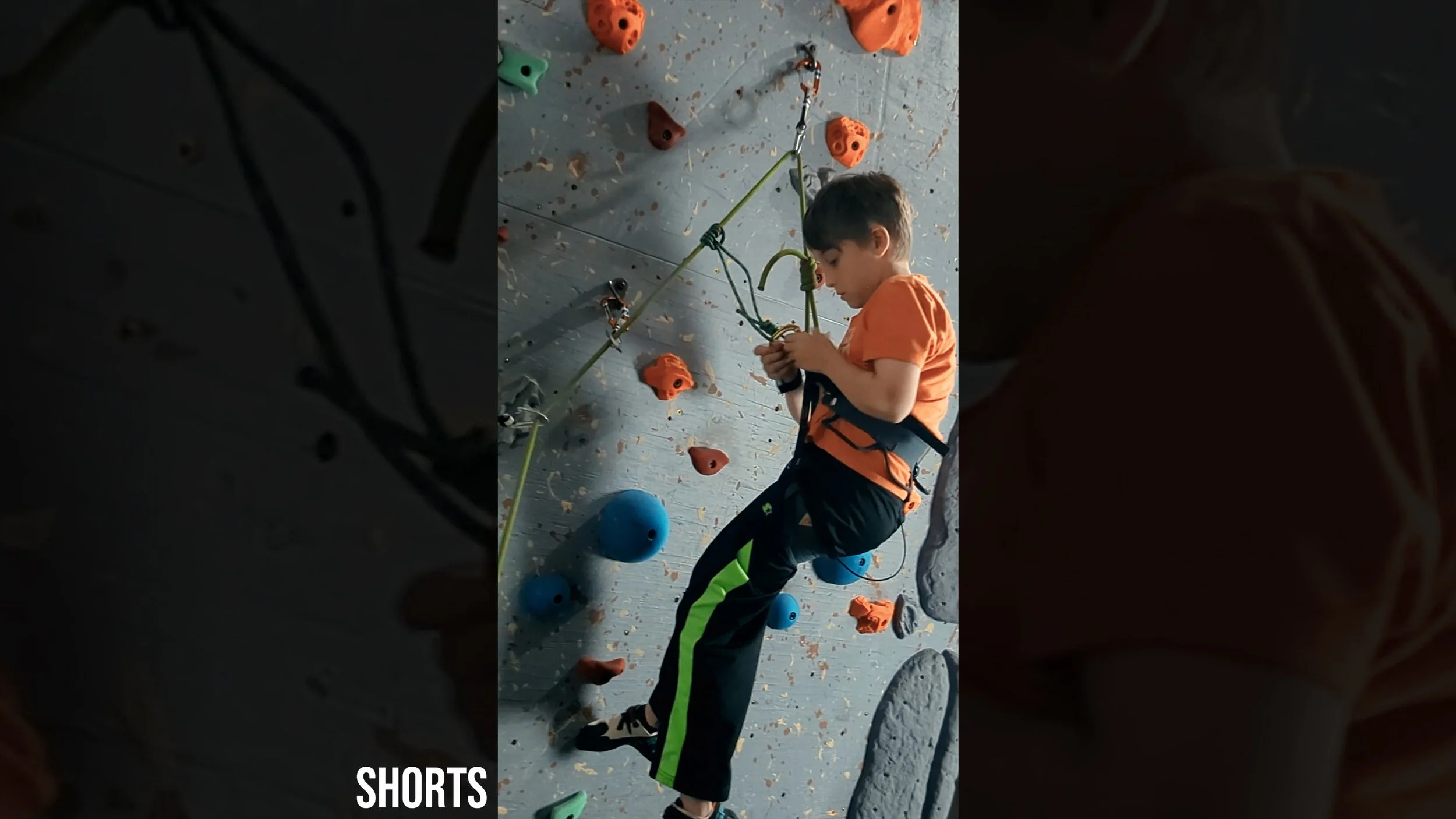
STOP Risking Your LIFE with This Climbing Bail MISTAKE
When we bail from a single protection point on a rock climbing route, we can eliminate unnecessary risk by adding a prusik knot into our lowering procedure. Here's why.
The REAL Difference Between SOFT and HARD Ferro Rods for Survival
In today's world of online ordering - or even if we have packaging that gets in the way of actually touching the product - it can be hard to tell if a ferro rod will be a softer material that throws bigger sparks or a harder material that lasts longer. Well, we can get a good clue from the specifications, but we need to do a little thought work, too.
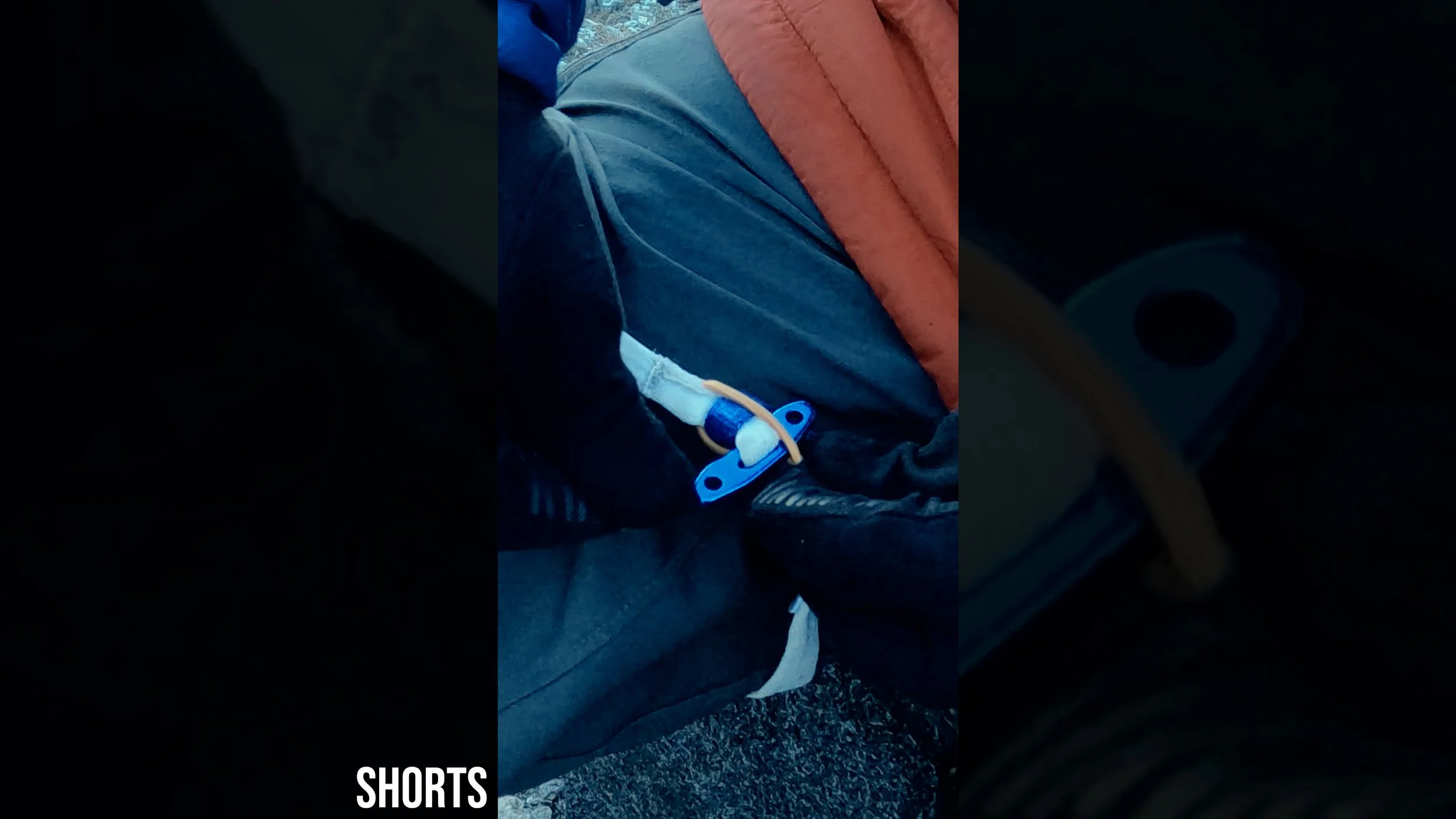
Is Your Climbing Harness SAFE ENOUGH for Mountain Climbs?
We all look for many different features when we are looking for a climbing harness, and I am no exception. But there is one feature that I find to be a must have on my alpine harnesses that maybe isn't always available when looking for the lightest model or a model for different styles of climbing. I want to make sure I can easily and fully open up the leg loops.
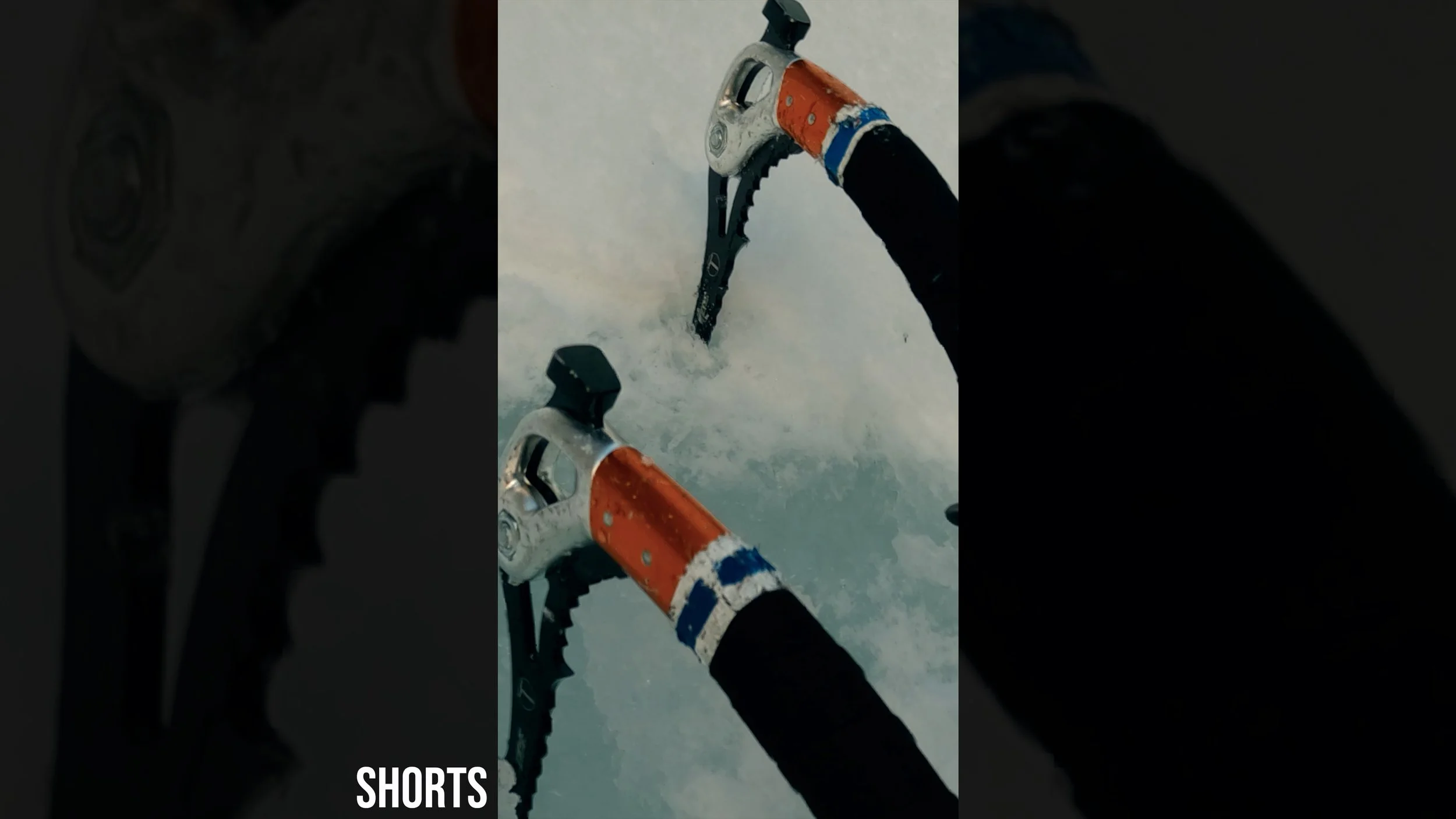
The REAL Reasons Climbers Wrap Ice Tools
When I did a video about a new type of wrap I was going to try on my ice tools, I got a question asking about why we wrap our ice tools at all. Well, here’s some of the reasons.

One Big Difference Between Climbing and Backpacking Packs
There is nothing that says you can climb with a backpacking park nor backpack with a climbing pack, but they have differing features for specific reasons. I got asked about why climbing packs have zippered pockets in their hoods (or brains), and it has a lot to do with having a secure place to get to items without having to go through all your items.