

The right tool for the job
Climbing gear
When I go out climbing with my twin boys, climbing as a team of three, I need to match my climbing rope choice to the risks of the particular climb. Here's how I go about assessing the climb and matching it to a rope system.

We often carefully choose the right rack, the right shoes, and the right clothing for our climbs. Well, we also want to choose the right rope. Here's some tradeoffs to consider when selecting a single rope, half ropes, twin ropes, or a single rope with a tagline for our route and objective.
We often carefully choose the right rack, the right shoes, and the right clothing for our climbs. Well, we also want to choose the right rope. Here's some tradeoffs to consider when selecting a single rope, half ropes, twin ropes, or a single rope with a tagline for our route and objective.
Climbing rope manufacturers publish a lot of numbers that describe how the rope will perform out in the field. But the numbers don't actually tell as straight forward of a story as we may wish. Here's how we interpret those numbers and how they tell a story about the types of climbing risks one rope may mitigate better than another.
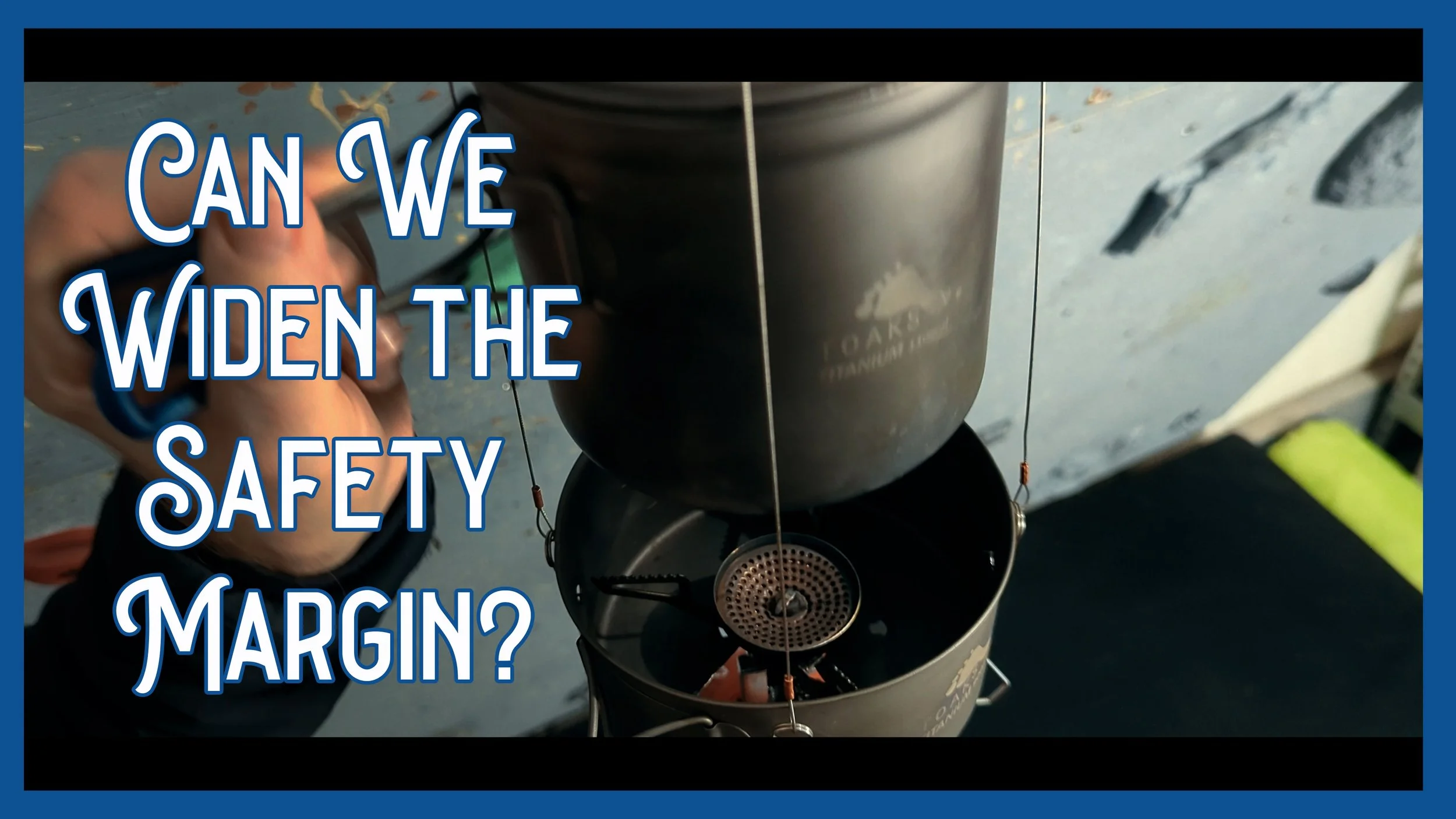
Most commercial hanging kits for camping, backpacking, and climbing stoves are minimalist and light. They can be because they typically fit integrated stoves - where the stove and pot couple securely. This improves safety by containing the flame and creating stability. Can we design a hanging kit for a non-integrated stove that will bring us a similar safety profile?
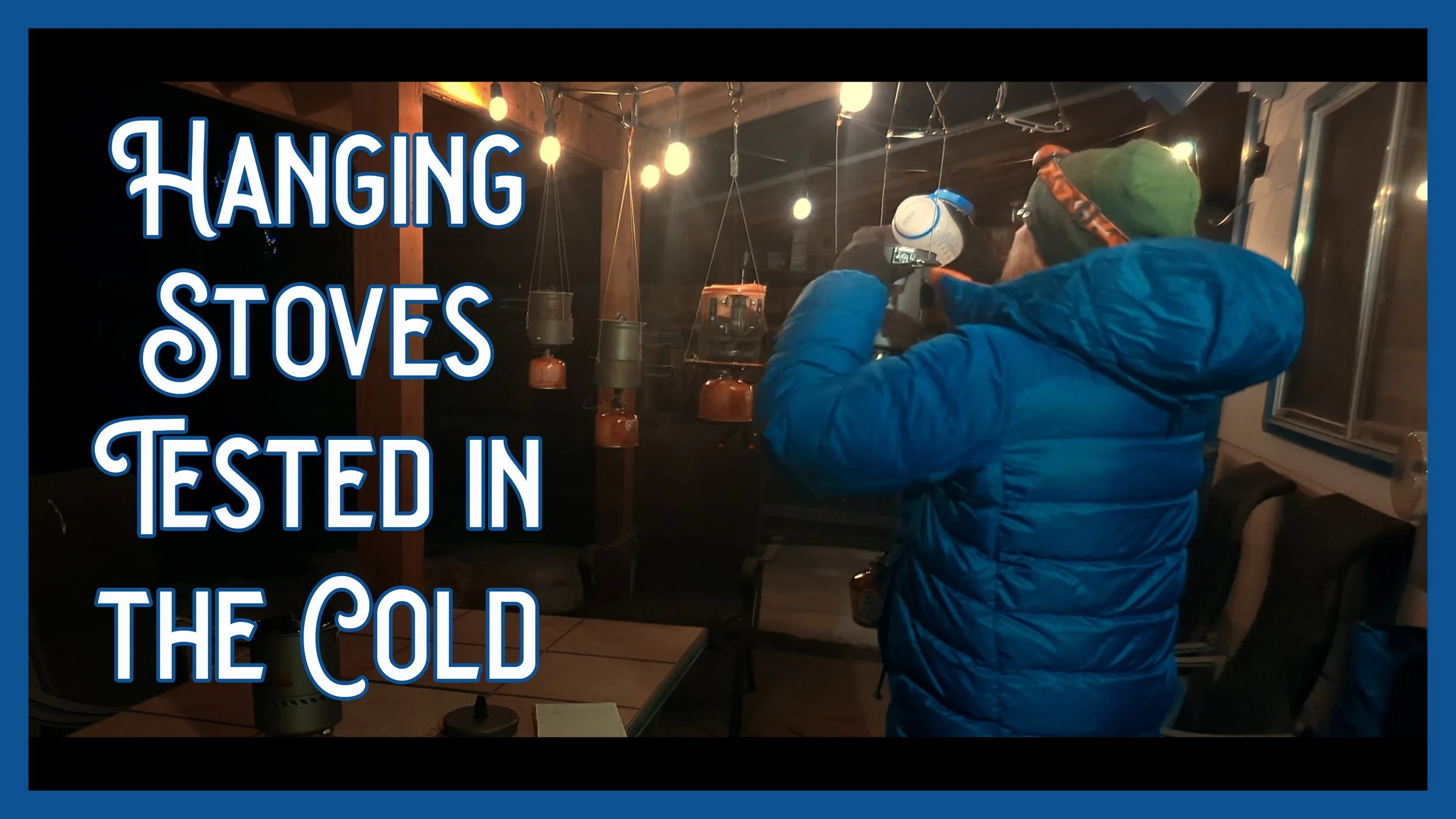
Integrated stoves for camping, backpacking, and climbing transfer heat very effectively, reducing fuel demands. But the integrated stove and pot are often heavy. There are people who prefer lighter backpacking stoves, but to make alpine-ready hanging kits, they often need a heavier and more robust design to transfer heat and keep open flames away from gear. So, I ran a test on some store-bought integrated stoves with hanging kits, and some DIY hanging kits with backpacking stoves to see where the weight and performance tradeoffs may end up.
A drug that has been used for years to treat pulmonary hypertension has also been used for years in Canada and Europe to help with frostbite. Well, the FDA fairly recently approved its use in the United States, so let's talk about what evidence we have to support its use as well as some of the shortcomings of the supporting studies.

I recently went on an expedition to Kyrgyzstan. In preparation for that trip, I needed to consult with my physician on the medications I might need for the travel and the rigors of climbing hard and climbing at altitude. Of course, my medications won't be right for you, so this breakdown of what I brought might be a starting point for a similar conversation with your physician, allowing the both of you to choose what may be right for you.
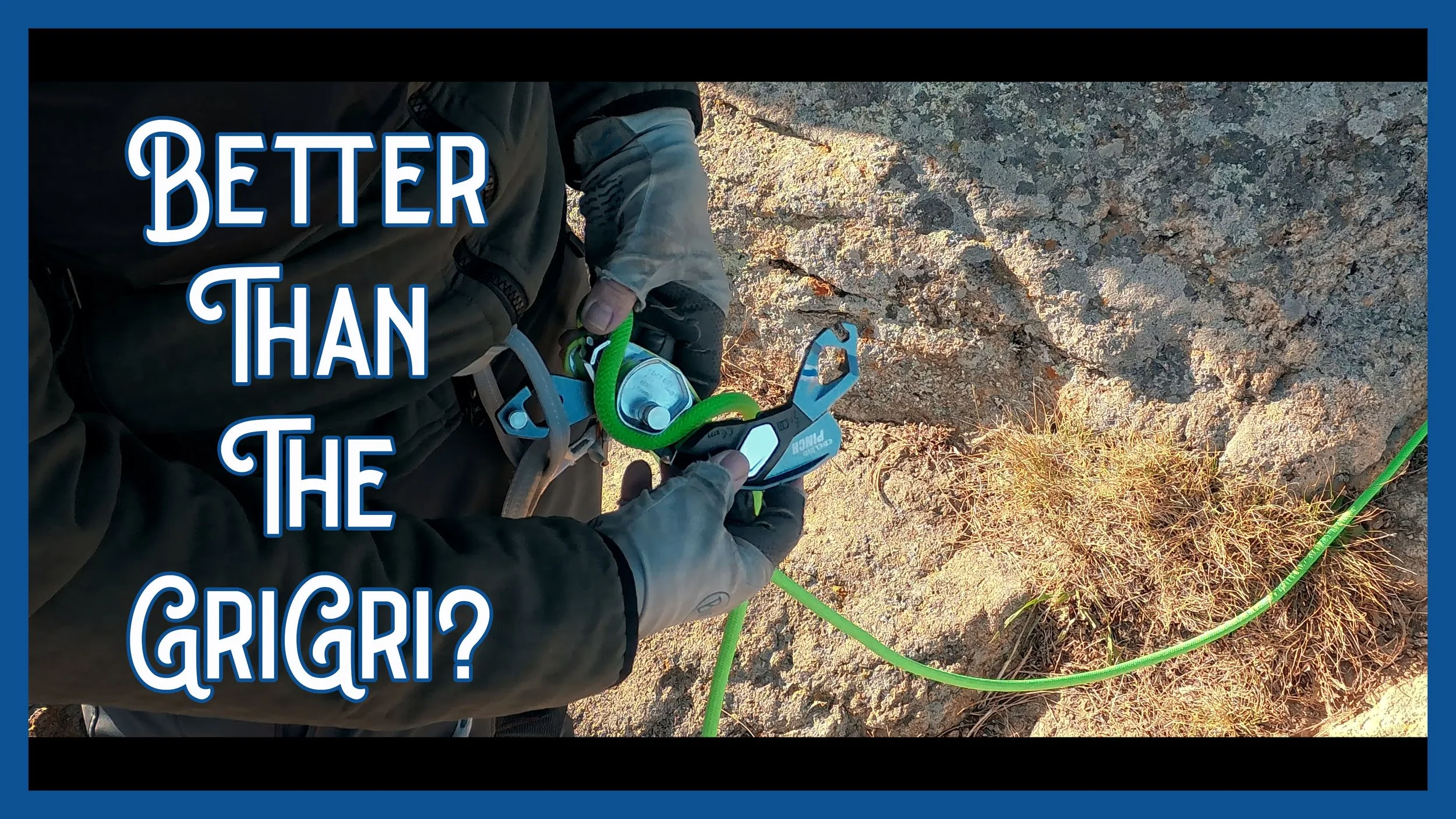
I have been using the Edelrid Pinch break assisting belay device long enough now to have some perspective on the specifications and features that truly distinguish it from the Petzl Grigri. This video goes more deeply into a comparison. I have come to reach for the Pinch, first, in certain applications, but not for all of my climbing. Here's why.
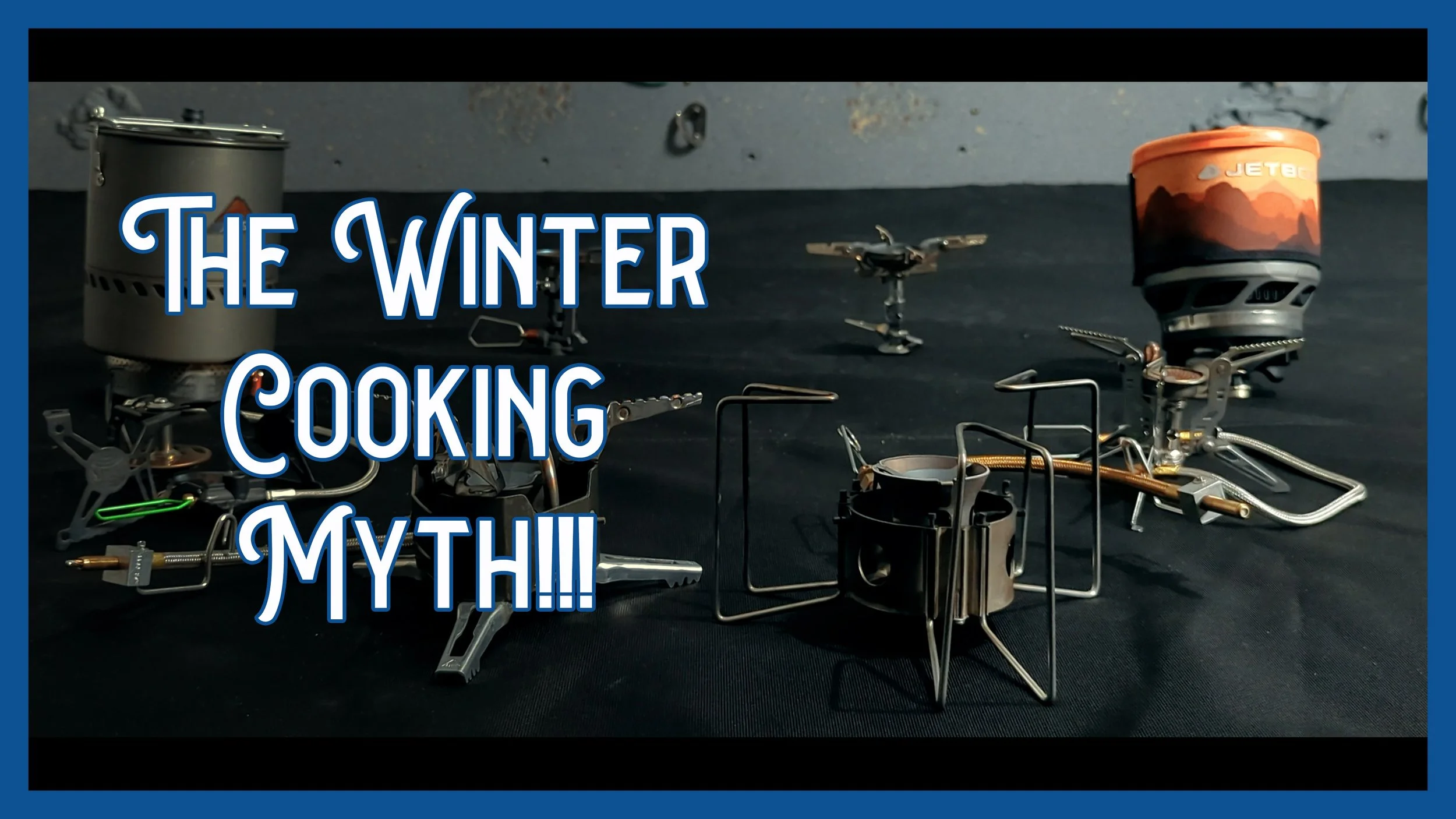
I hear that canister stoves don't work in the cold a lot. But I've also used canister stoves in the cold a lot, and so have many other climbing teams who head to the coldest corners of the globe. However, it could be that there are times that canister stoves make more sense and times liquid-fuel stoves are a better option. This test of eight different stoves sheds some light on how the knocks on canister stoves are overstated as well as circumstances where liquid-fuel stoves might make a better choice.
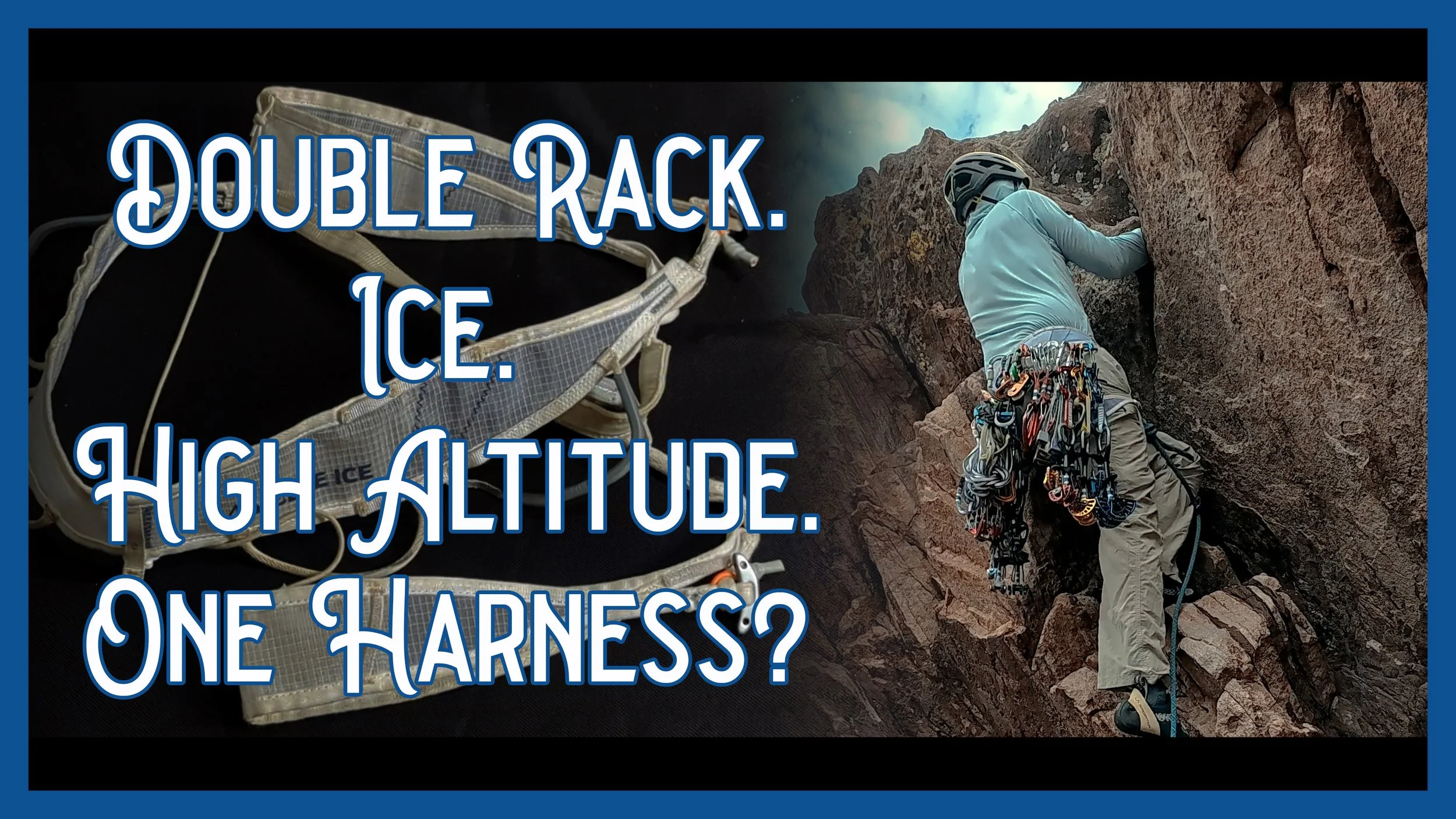
Blue Ice took a really good harness and redesigned and rebuilt it, anyways. Is the new version of the Choucas Pro harness enough of an improvement over the older version to earn a place in your gear closet?
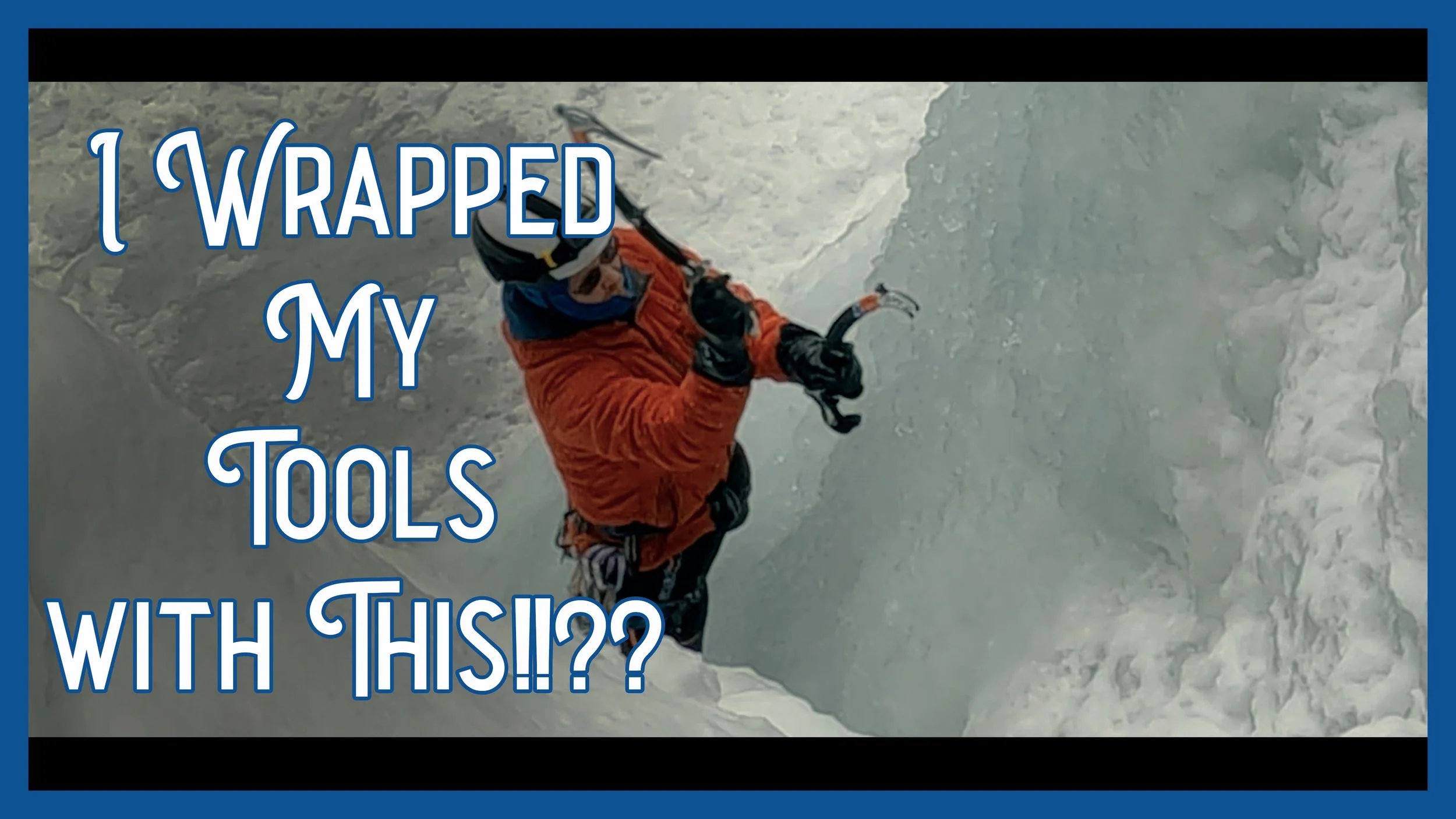
Two years ago, I did a video about the potential I saw in 3M Gripping Material as a wrap for ice tools. Two years later, now, I have found one version of the material to be not good enough and another version to be pretty good, but at a cost.
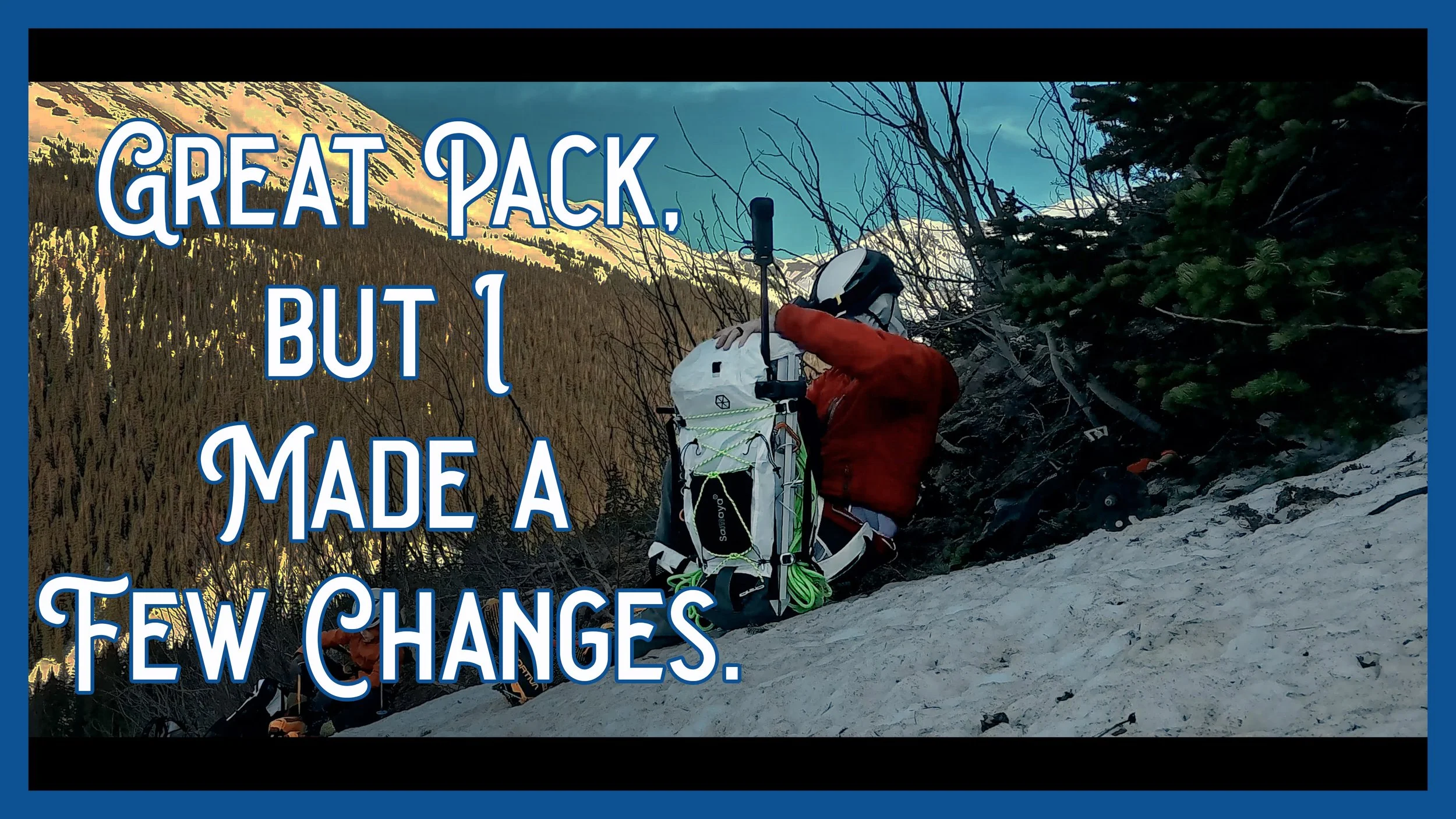
After one year of use and one big expedition in Asia, I've learned enough about the Samaya Ultra 60 pack. Here's what I've found to be the pros and cons along with a few modifications I've made to my pack.

Remote canister stoves often improve stove performance in cold weather when compared to standard canister stoves. But remote canister stoves can be hard to use in the harshest environments when there is no means to safely hang the stove. Well, here's a DIY(ish) solution for that problem.

There are lots of ways to maintain a warmer temperature for your canister fuel, thus improving the performance of your camp stove when out climbing, backpacking, or camping in the snow. One way is using a bath for the canister, into which you can pour warm water. Here's how I made one and some options on how to use one.

The La Sportiva G Summit Boots are designed to be worn as either a single boot or a double boot with a removable liner. So, is it one boot that can serve all your needs? Warm enough for cold, high-altitude climbing? Light and maneuverable enough for technical climbing? How's the durability? What about the fit? Lets find out.

Winter climbing trips are often extended from one to two day affairs, or even longer. Trailhead access can be further away as only main roads remain open. And then approach hikes take longer due to difficult conditions, as well. If we need more time out in the backcountry, and now need to set camps, we may want to haul, rather than carry in all that bulky, winter gear. Here is how to build a Pulk Sled that is light and efficient enough for those local trips but also robust enough to stand up to expedition rigors.

I’m not a big man. I’m 5’ 6” or a little less than 1.5 meters tall. I weigh about 140 pounds or less than 65 kilograms. While that is good for not having to take a lot of bulk up alpine objectives, it does mean that fitting into equipment can be hard. The most troubling, for me, was getting my small boots to lock in at the toe of my crampons without having room to slide around from side to side. Here is a deeper dive into crampon toe attachment options for people with smaller boots.

Each new climbing season brings with it a group of climbers who are new to climbing in that season. And now it is winter. It's always someone's first time peak bagging through the snow drifts after years of dry-weather hiking. It's always someone's first time on ice. It's always someone's climb up that choss-filled gully that is now covered in an inviting blanket of consolidated snow. These new winter climbers probably have equipment questions, and the one I get the most is about why the different front-point styles for crampons? Well, let's get into it.

As new materials are developed into climbing tools, and as my needs on my climbs have evolved, I've changed up some elements of my standard climbing rack. Here is a look at some soft goods (slings, prusiks, and cords) that I have begun carrying on all my climbs including some pros and cons.

For nearly four years, I have been taking the Hyperlite Mountain Gear Prism pack for most of my alpine climbs, whether that be on rock, snow, or ice. After that long of throwing the pack on my back, here are some of the pros and cons that I've experienced while using it.

Ever hear climbers talk about “insecure climbing” and the fear that brings to them? Well imagine feeling insecure at every step up a rock face. This is what a scramble, which should be a fun romp, can feel like in the wrong footwear. Scrambles are examples of where approach shoes can really make a difference in our enjoyment of the outdoors. Here’s how their specific features combine to make such a big difference.

An obscure material was developed by 3M, with an unusually high friction coefficient when two strips of it come into contact. It is purported to perform well when both wet and cold. It is available with an adhesive backing and also on a glove. So, could wearing the glove and wrapping an ice tool with the adhesive prove to provide superior grip when ice climbing? Today we talk about the material I am going to try out for this ice climbing season.
Climbing in a team of two is quite often done on a standard, single rope. But when we are climbing multi-pitch routes with certain risks, there may be times when twin ropes or half ropes may help mitigate those risks. And certain alpine or mountaineering objectives may emphasize weight and rope management characteristics. Here's how I go about assessing the climb and matching it to a rope system.