
All blogs
Every full length (longer than 60 seconds) video and accompanying blog post
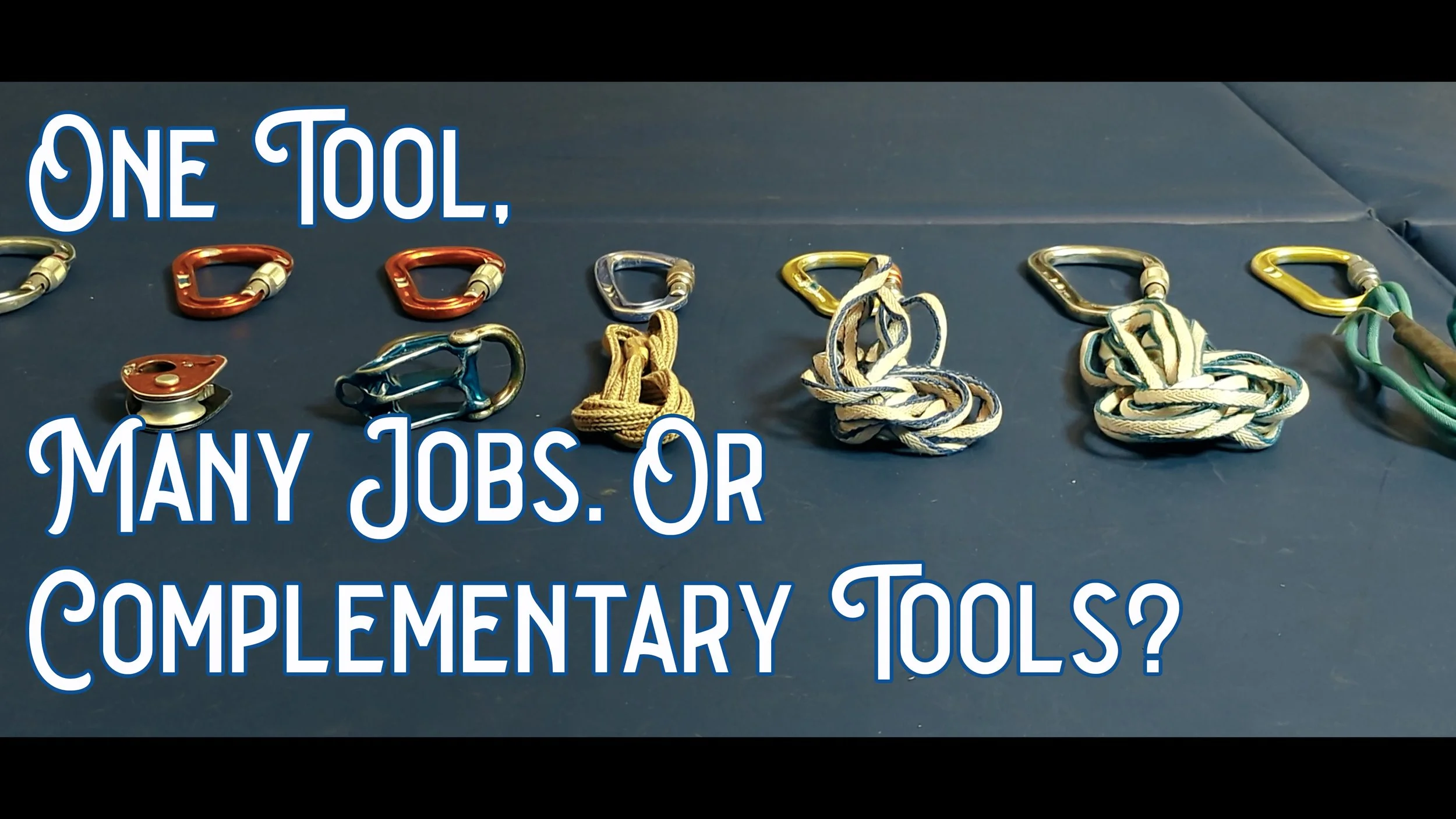
Specialized vs Versatile Gear
There are times on our climbs when we want the exact right tool for the job, squeezing the maximum amount of efficiency out of the gear as applied to the situation for which it was specifically designed. There are times we want a more general piece of gear that can be used in lots of ways even if it isn't ideal for any one particular situation. And then there are times we need to diversify gear for the unknown. Let's get into all three of these strategies.
One System vs Many: The Climbing Risk We're Not Seeing
One of the foundational choices climbers make is how they want to approach systems proficiency. Do we master a few systems, knowing they won't be perfect for every situation but will be good enough, or do we learn many systems knowing the need to practice that broader set could lead to unforced errors when it comes time to apply those systems. There are other tradeoffs, too, of which we should be aware.
Empathy or Stagnation? How We Learn From Climbing Failures
Like many things in life, the extremes often don't serve us or the community around us. When we are confronted with the emotional tension at the heart of climbing and adventure sports accidents, neither ridicule nor disengagement allows us to learn. Empathy is the path forward, as it allows for curiosity which, in turn, allows for learning.
Can You Risk It and Still Last?
In a sport like climbing, and maybe particularly with alpine climbing and mountaineering with their long histories of rebellious individualism, it is somehow still easy to get trapped into others' definitions of success. If we have the courage to carve out our own definition of success, then maybe we can escape the potential trap of ever-contracting safety margins.
The Most Dangerous Place to Cook on the Mountain
When we get into challenging climbing in mountain environments space, weather, and other constraints might necessitate that we get our calories in while in the relatively secure confines of our camping tent. How can we do that given all the risks that come from cooking with a camp stove when enclosed? Well, here's what you should never do.
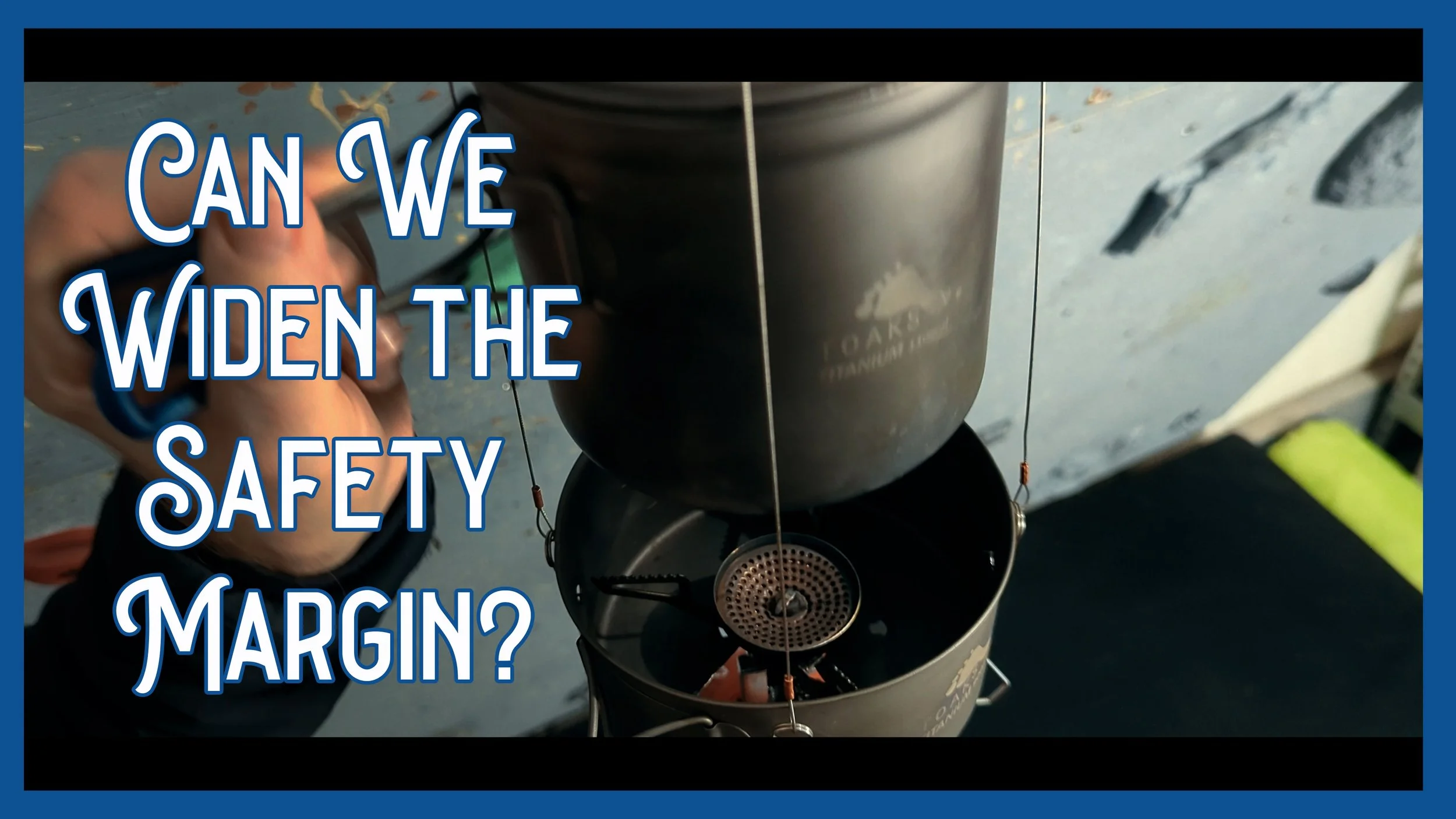
DIY Hanging Kit for Your Camping Stove
Most commercial hanging kits for camping, backpacking, and climbing stoves are minimalist and light. They can be because they typically fit integrated stoves - where the stove and pot couple securely. This improves safety by containing the flame and creating stability. Can we design a hanging kit for a non-integrated stove that will bring us a similar safety profile?
Camping Stove Survival Test | Cold Weather Breakdown
Integrated stoves for camping, backpacking, and climbing transfer heat very effectively, reducing fuel demands. But the integrated stove and pot are often heavy. There are people who prefer lighter backpacking stoves, but to make alpine-ready hanging kits, they often need a heavier and more robust design to transfer heat and keep open flames away from gear. So, I ran a test on some store-bought integrated stoves with hanging kits, and some DIY hanging kits with backpacking stoves to see where the weight and performance tradeoffs may end up.
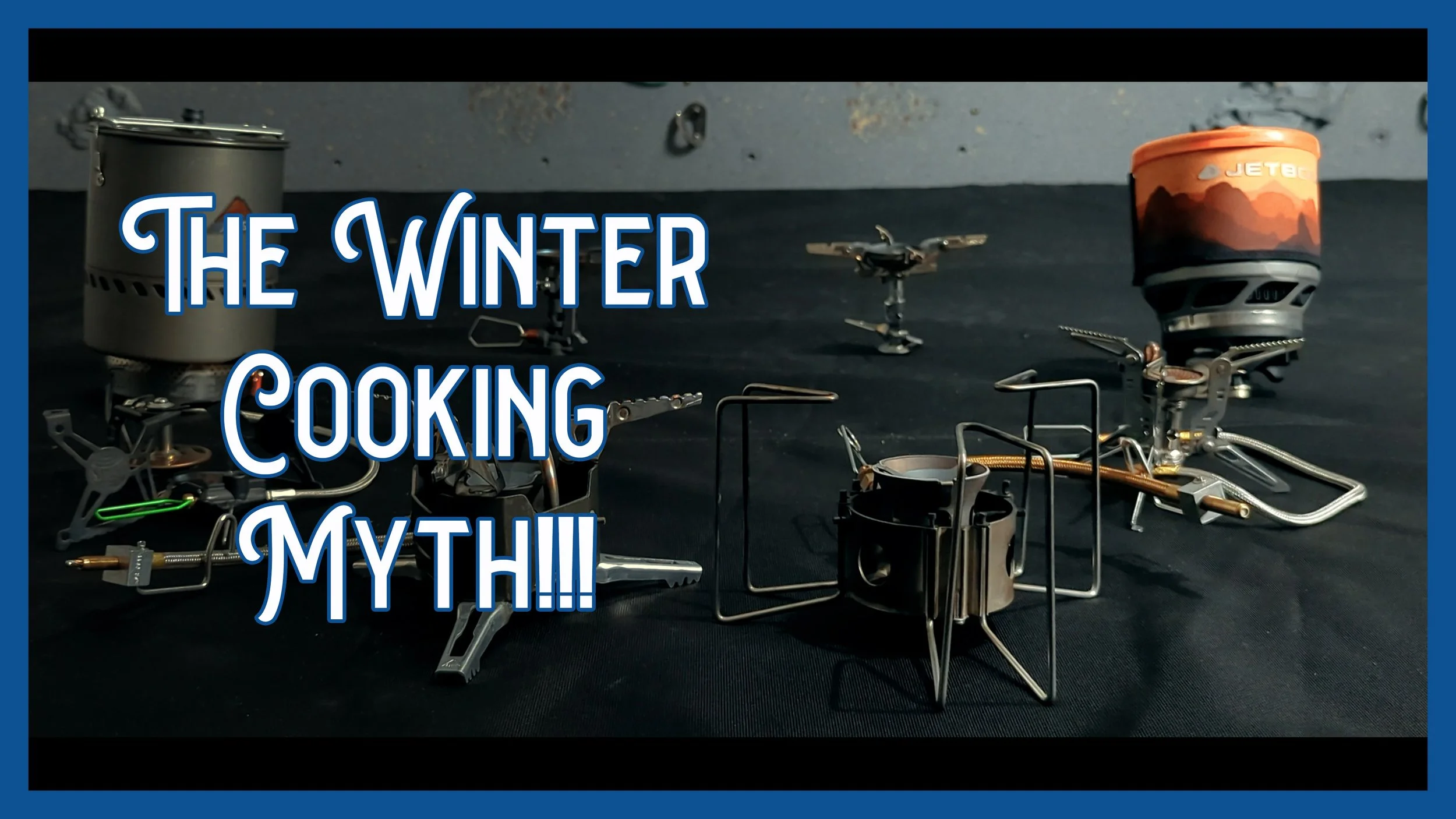
Winter Stove Test Results Will Surprise You!
I hear that canister stoves don't work in the cold a lot. But I've also used canister stoves in the cold a lot, and so have many other climbing teams who head to the coldest corners of the globe. However, it could be that there are times that canister stoves make more sense and times liquid-fuel stoves are a better option. This test of eight different stoves sheds some light on how the knocks on canister stoves are overstated as well as circumstances where liquid-fuel stoves might make a better choice.
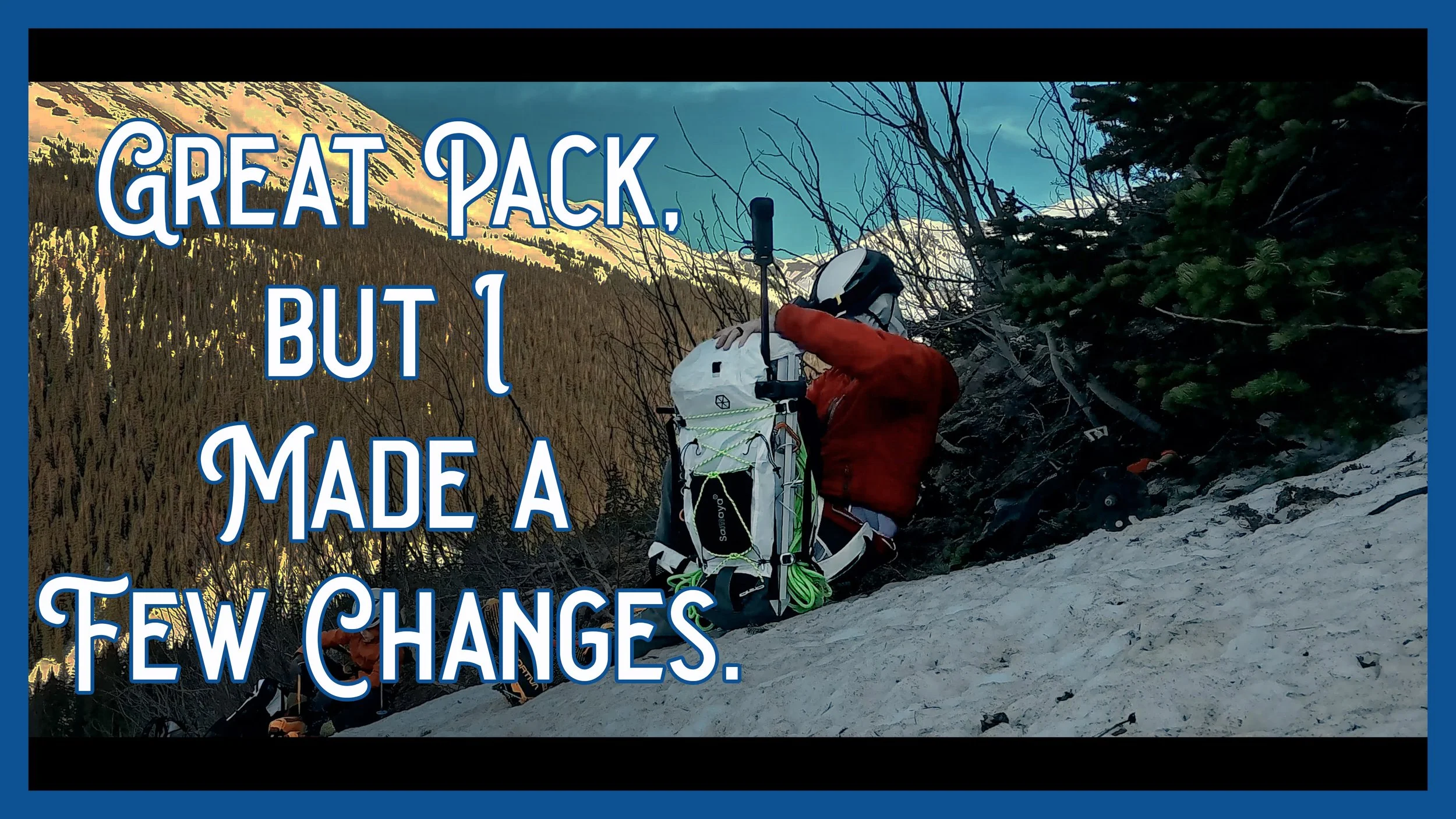
Is This Backpack Really Worth It?
After one year of use and one big expedition in Asia, I've learned enough about the Samaya Ultra 60 pack. Here's what I've found to be the pros and cons along with a few modifications I've made to my pack.

How I Trained to Climb Over 15,000 Feet!
Climbing at three miles (4800 meters) above sea level can be a challenge for out body's physiology. Having access to almost as high of peaks in Colorado, here is how I spent the final month before my trip to that three-mile altitude to ensure I showed up pre-acclimatized to the altitude along with a discussion about why intermittent trips up to altitude can still help acclimatization.

I Tested the Flextail Zero Pump and was Surprised!
Flextail makes the Zero Pump and claims it to be the lightest self-contained pump for both inflating and vacuum deflating your backcountry sleeping mattress. I purchased my own and tested it out over multiple seasons. Here's a full review of the pump and my take on circumstances when carrying this into the wild makes sense for me.

Can Your Climbing Trip Plan Save Your Life?
A trip plan can keep you and your climbing partners on the same page but also can help your loved ones deal with any emergencies that might arise. So, what can we put in our trip plans to ensure we meet these needs?
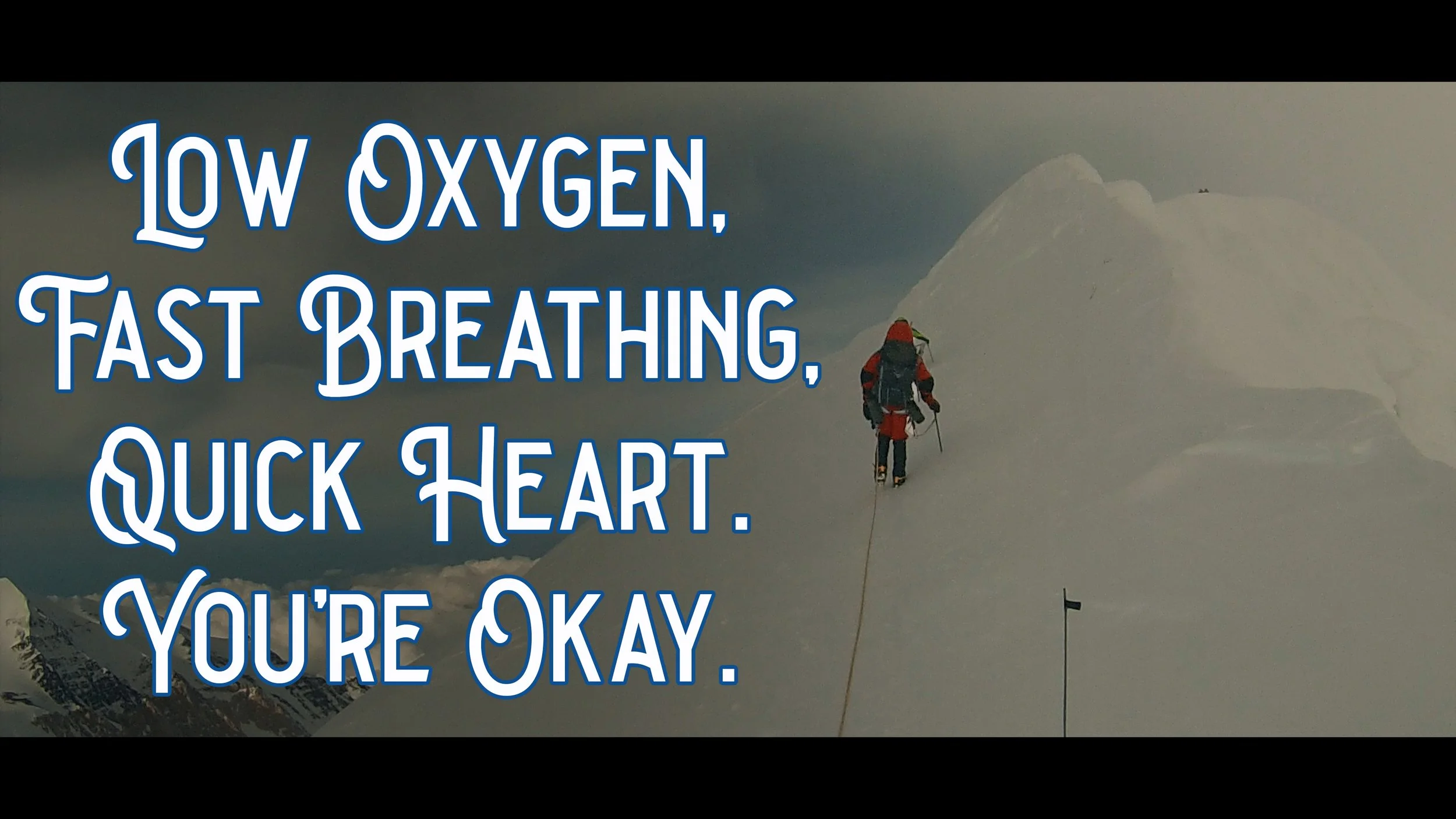
What Happens to Your Body When You Climb Truly TALL Peaks
Whether going from sea level to moderate altitude or from moderate altitude to high altitude, our bodies need time - and water - to adjust and adapt to the reduced oxygen we will take in. This video gives an overview of the physiology, the potential illnesses, and the preventative tactics that all come into play when we experience significant altitude changes.

Using Close Call Assessments to Make Climbing SAFER
Every May, we make videos on the mental side of climbing and adventure in recognition of National Mental Health Awareness Month. This video talks about close call assessments, discussing what they are, who uses them, how they can make our climbing safer, and walks through a low-effort way we can apply them to our own climbing.

Understanding The Difference Between RISKS and DANGERS in Climbing and Life
Every May, we make videos on the mental side of climbing and adventure in recognition of National Mental Health Awareness Month. This week, we are getting into a question I was asked about how I view risks verses dangers in climbing. Drawing heavily from my upbringing, I get into the importance of differentiating between risks, dangers, probabilities, and consequences and then apply those concepts to help us better mitigate risks.

Balancing Work, Family, And Climbing Is A BIG Challenge
Every May, we make videos on the mental side of climbing and adventure in recognition of National Mental Health Awareness Month. This week, we are going deeper into a subscriber's question about how I balance climbing, video creation, work, family, all of it along with how the goal of balance affects what and when and how I climb.

ULOCKING Your Alpine Climbing Performance Through Empowerment
Every May, we make videos on the mental side of climbing and adventure in recognition of National Mental Health Awareness Month. In this video, we discuss how shared decision making creates empowerment which, in turn, improves team performance and our enjoyment of the mountains.
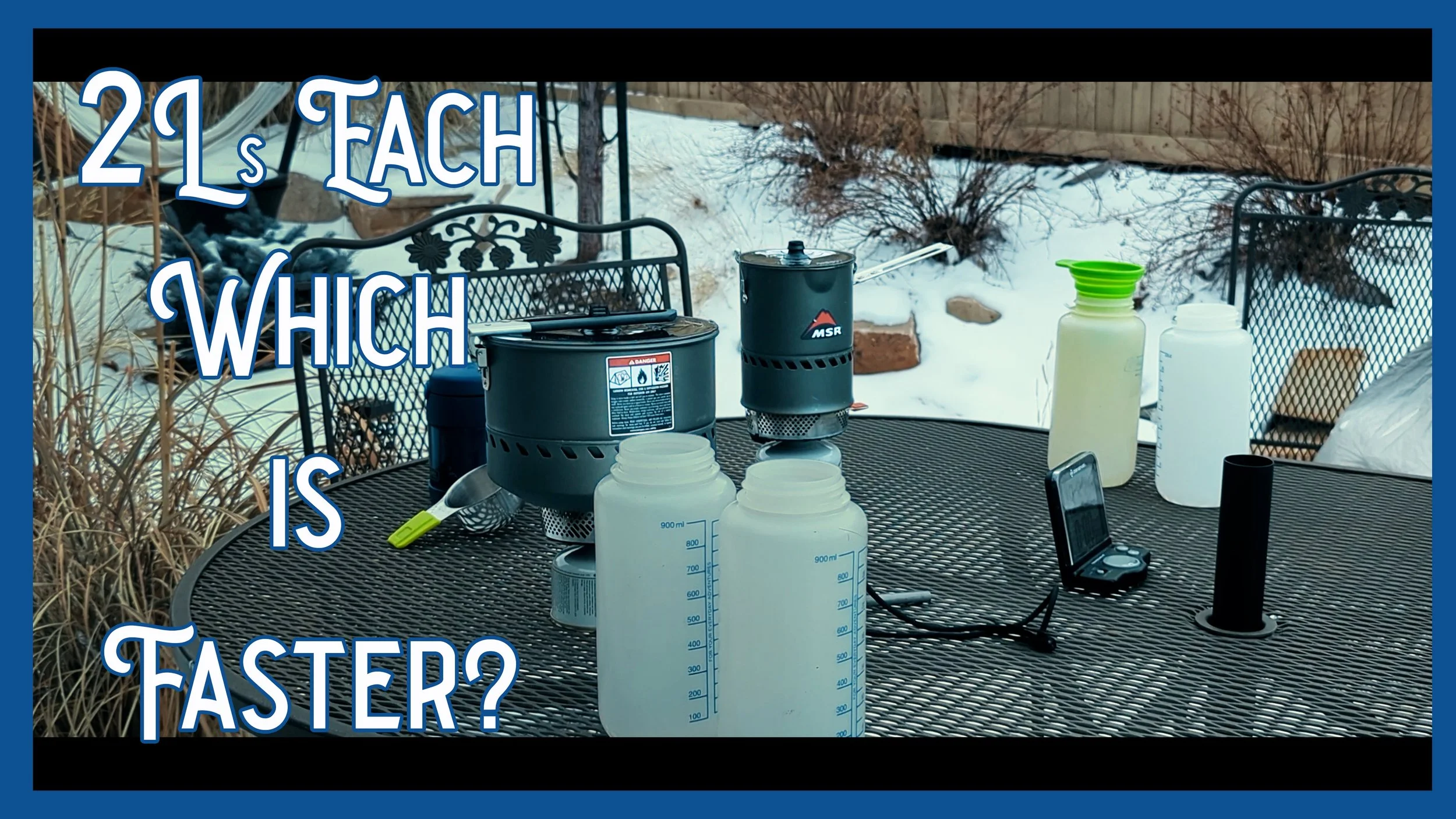
The Right Cook Pot Can Save You HOURS Across a Climbing Expedition
In the older days of gas stoves, conventional wisdom was that a larger pot would make turning snow into boiling water more efficient when on a climbing expedition. But new equipment may have changed the calculus. Here's an experiment I ran to see if smaller or larger pots would be more efficient given different stove types.

6 Tips to Stay WARM in a Cold, Snowy Camp
Our boys, Connor and Kade, have been gathering up a pretty good amount of cold, winter, snowy camp experience. So, they wanted to each share three tips - so six tips total - that they find to be the biggest difference makers when it comes to staying warm in camp.

Using a Remote Canister Stove in the WORST conditions with a DIY Hanging Kit
Remote canister stoves often improve stove performance in cold weather when compared to standard canister stoves. But remote canister stoves can be hard to use in the harshest environments when there is no means to safely hang the stove. Well, here's a DIY(ish) solution for that problem.