

The right tool for the job
High altitude gear
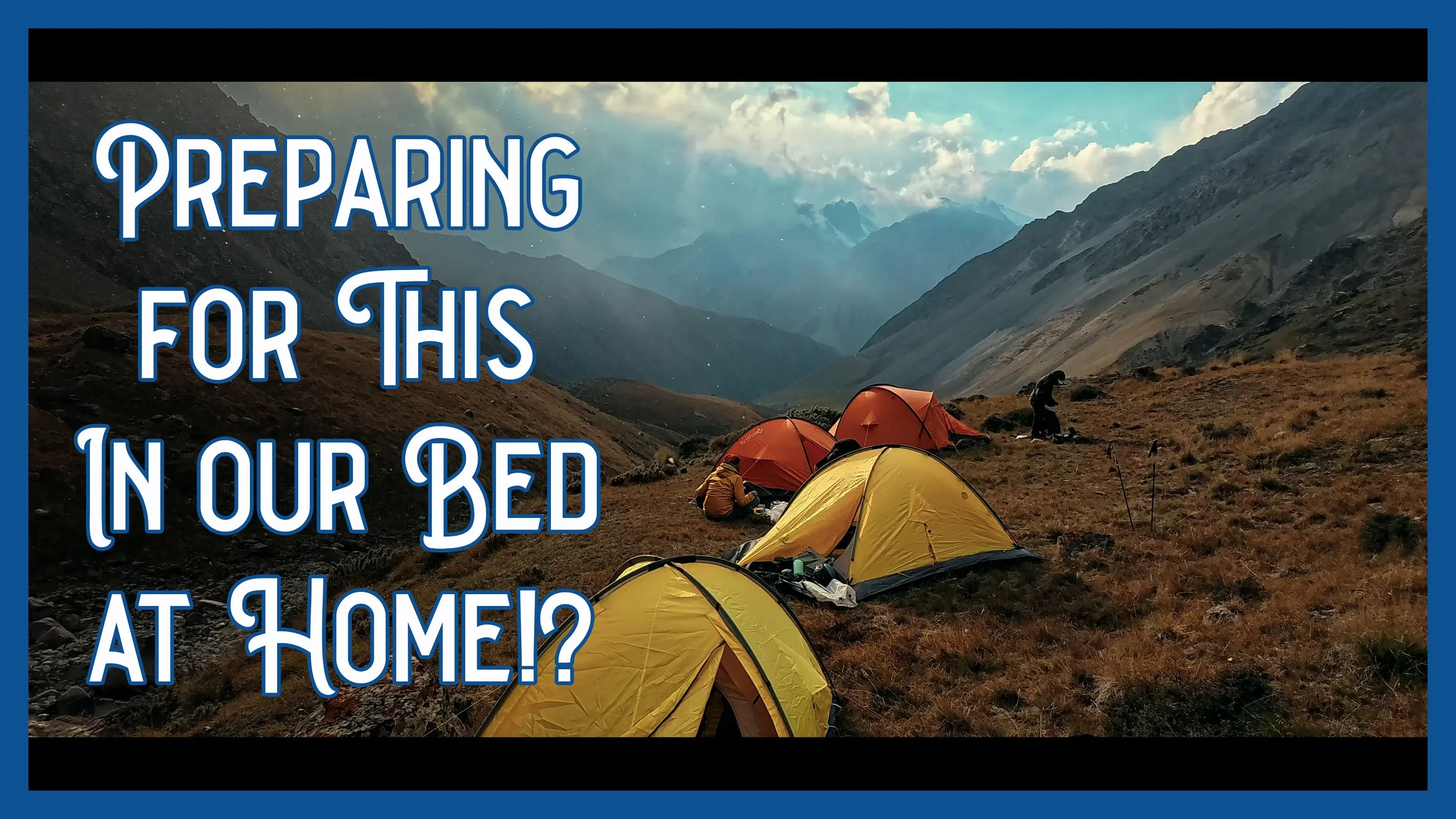
My family and I used a normobaric (no different air pressure, just reduced oxygen percentage) hypoxic tent to help us pre-acclimatize prior to an expedition to the Indian Himalaya. Before using it, we already knew that it could help us achieve some necessary adaptations, but not all of them, and so could not be the only component of our acclimatization and performance plan. Here's what we learned from and how we applied the medical literature.
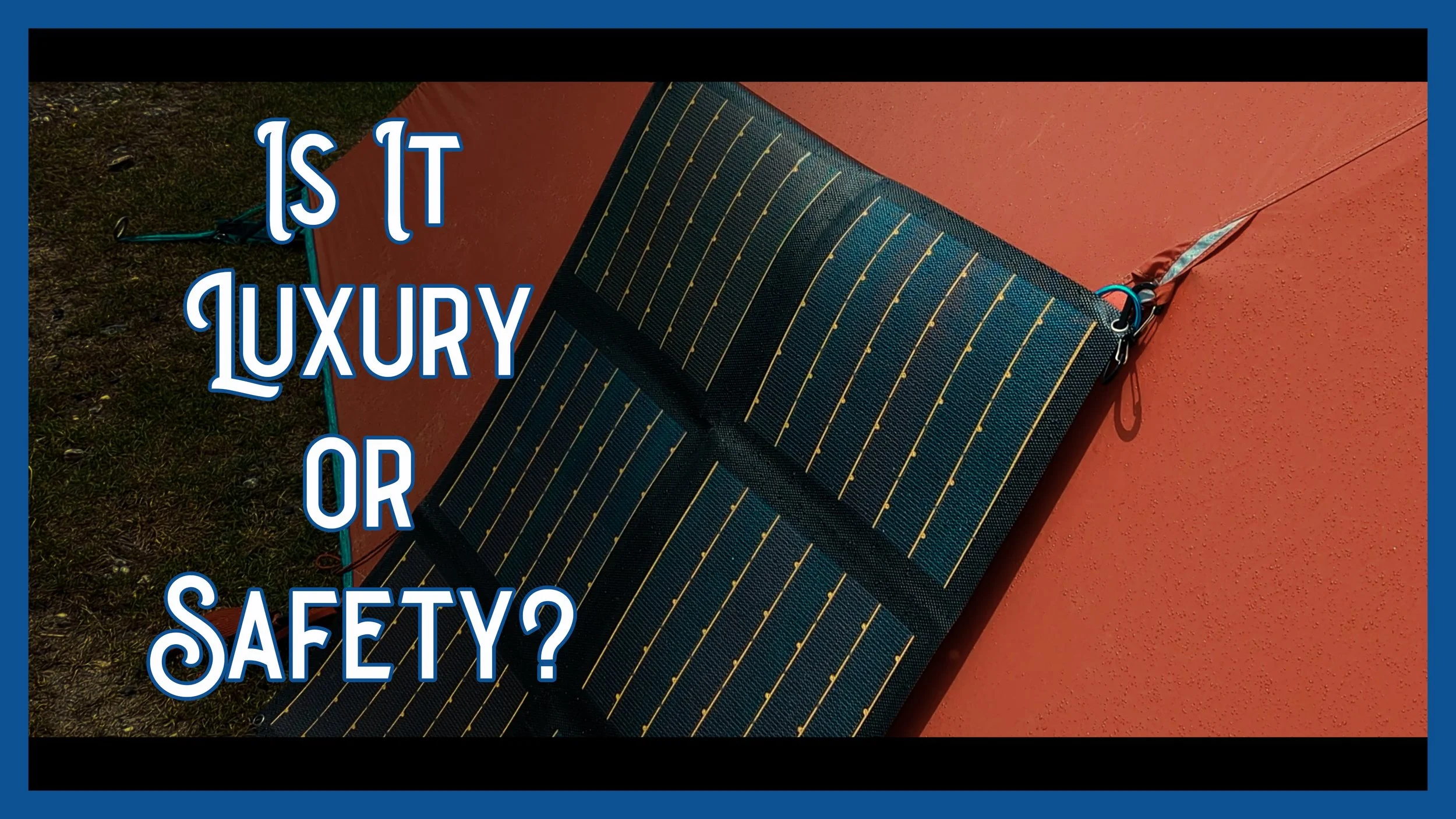
When we think about modern weather forecasting, modern communication devices, including phones, radios, and satellite communicators, electrical power has become more than a luxury, it has become part of our safety chain. Yes, we need to be skilled enough to survive without it, but it's hard to argue that we wouldn't be safer with it. Having reliable and productive solar panel is now a major part of my expedition equipment. Here, I review the Cruxley Field Goods Danger Cat 50 solar panel.
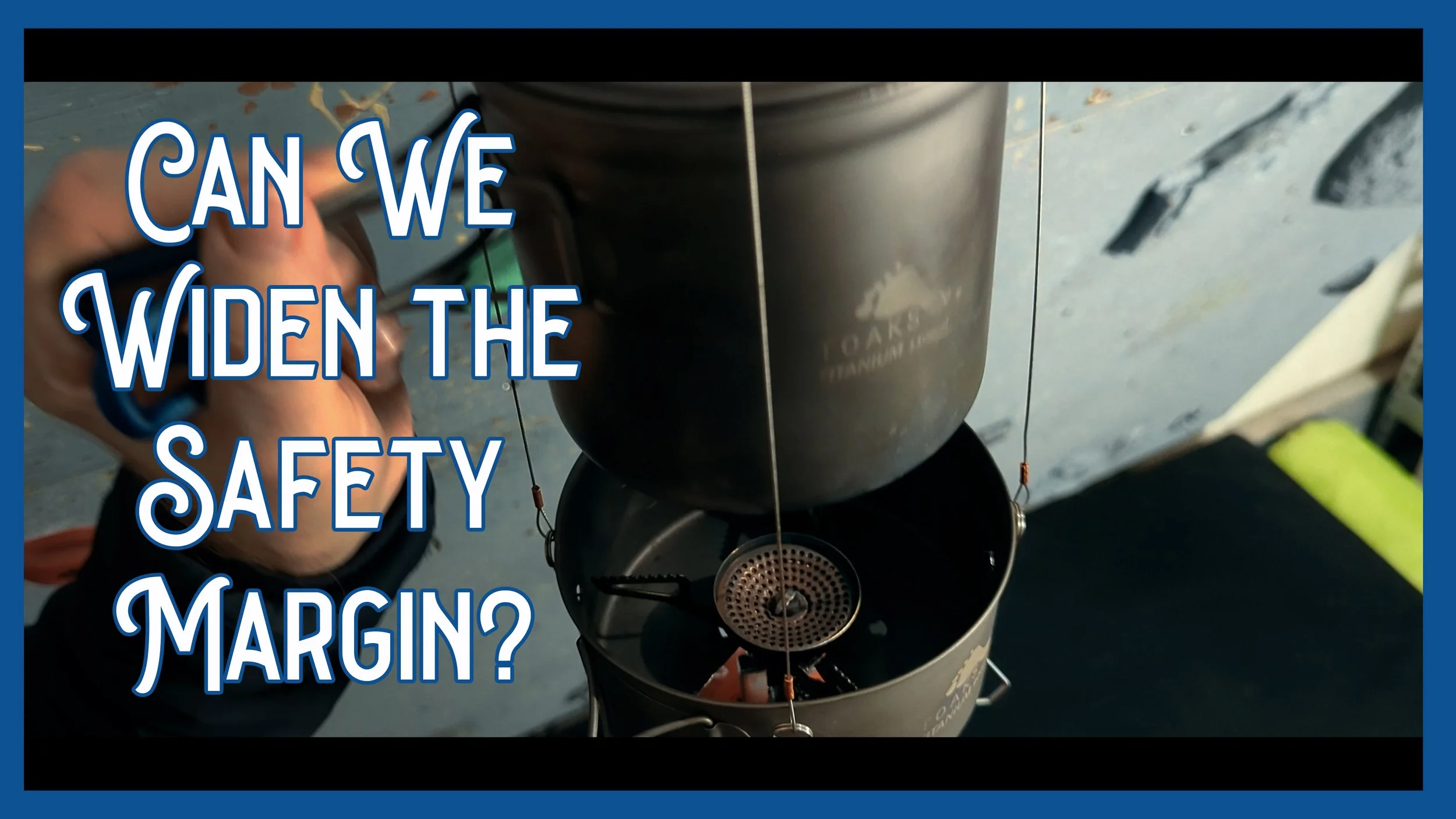
Most commercial hanging kits for camping, backpacking, and climbing stoves are minimalist and light. They can be because they typically fit integrated stoves - where the stove and pot couple securely. This improves safety by containing the flame and creating stability. Can we design a hanging kit for a non-integrated stove that will bring us a similar safety profile?
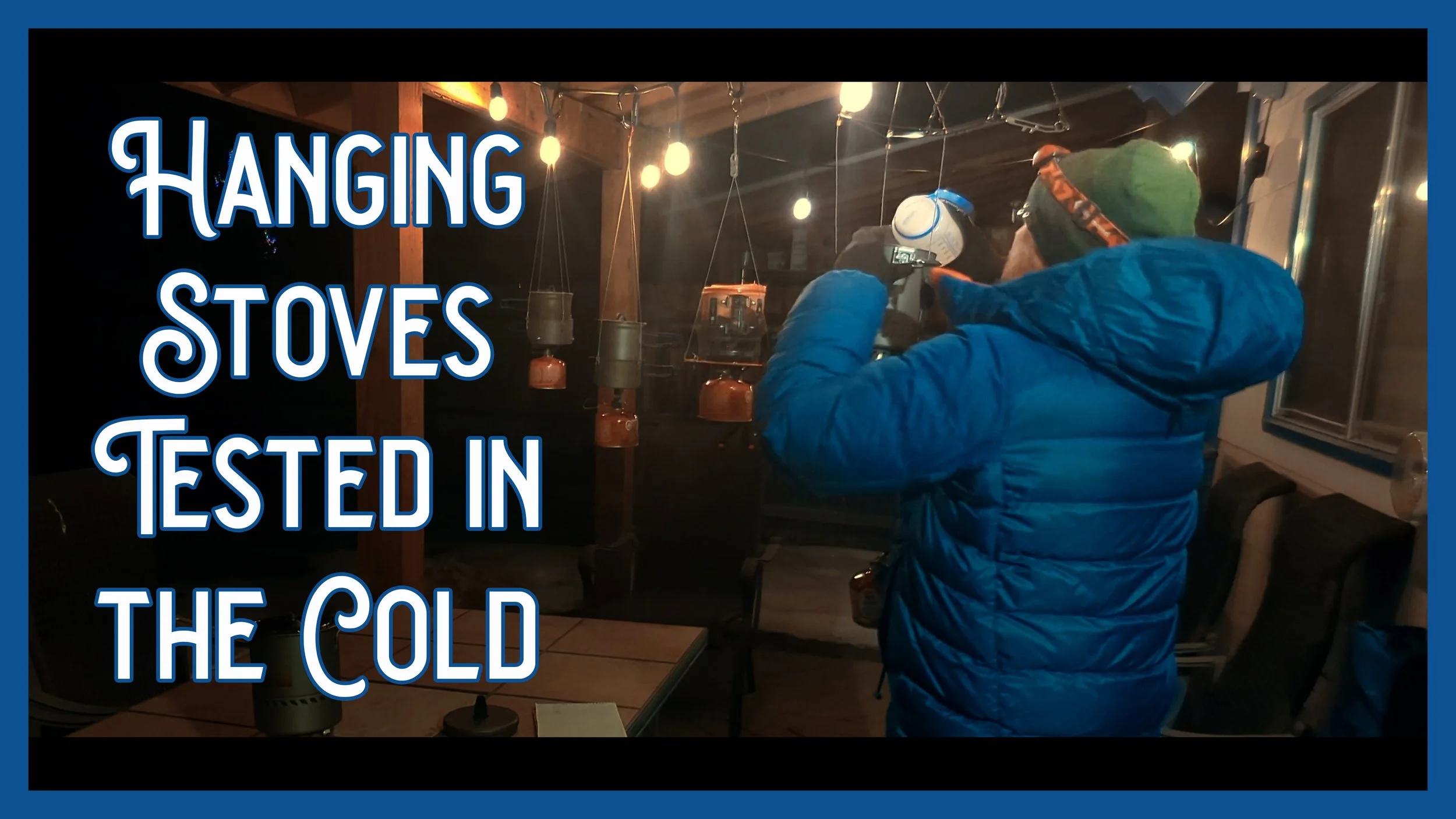
Integrated stoves for camping, backpacking, and climbing transfer heat very effectively, reducing fuel demands. But the integrated stove and pot are often heavy. There are people who prefer lighter backpacking stoves, but to make alpine-ready hanging kits, they often need a heavier and more robust design to transfer heat and keep open flames away from gear. So, I ran a test on some store-bought integrated stoves with hanging kits, and some DIY hanging kits with backpacking stoves to see where the weight and performance tradeoffs may end up.
A drug that has been used for years to treat pulmonary hypertension has also been used for years in Canada and Europe to help with frostbite. Well, the FDA fairly recently approved its use in the United States, so let's talk about what evidence we have to support its use as well as some of the shortcomings of the supporting studies.
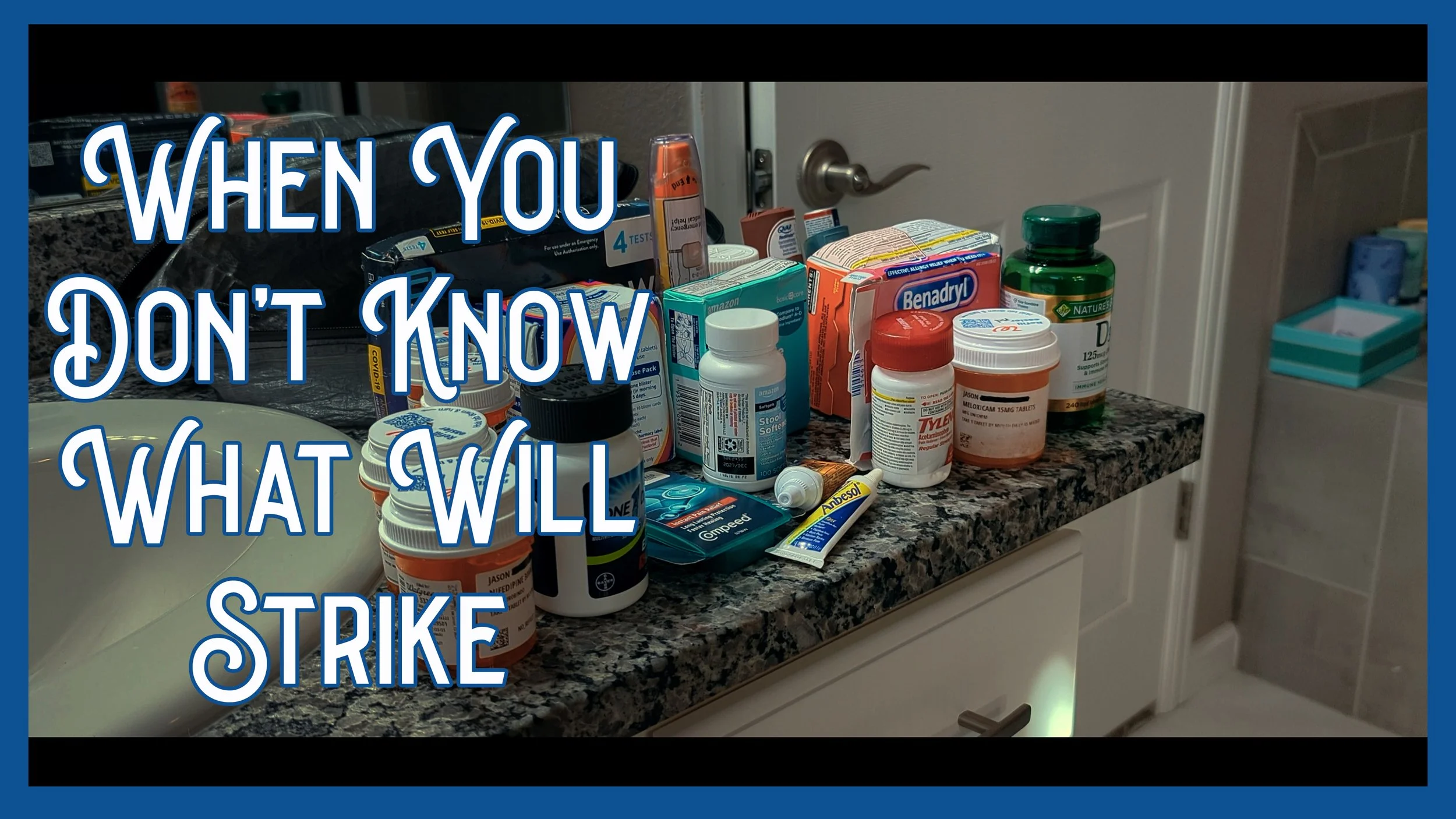
I recently went on an expedition to Kyrgyzstan. In preparation for that trip, I needed to consult with my physician on the medications I might need for the travel and the rigors of climbing hard and climbing at altitude. Of course, my medications won't be right for you, so this breakdown of what I brought might be a starting point for a similar conversation with your physician, allowing the both of you to choose what may be right for you.
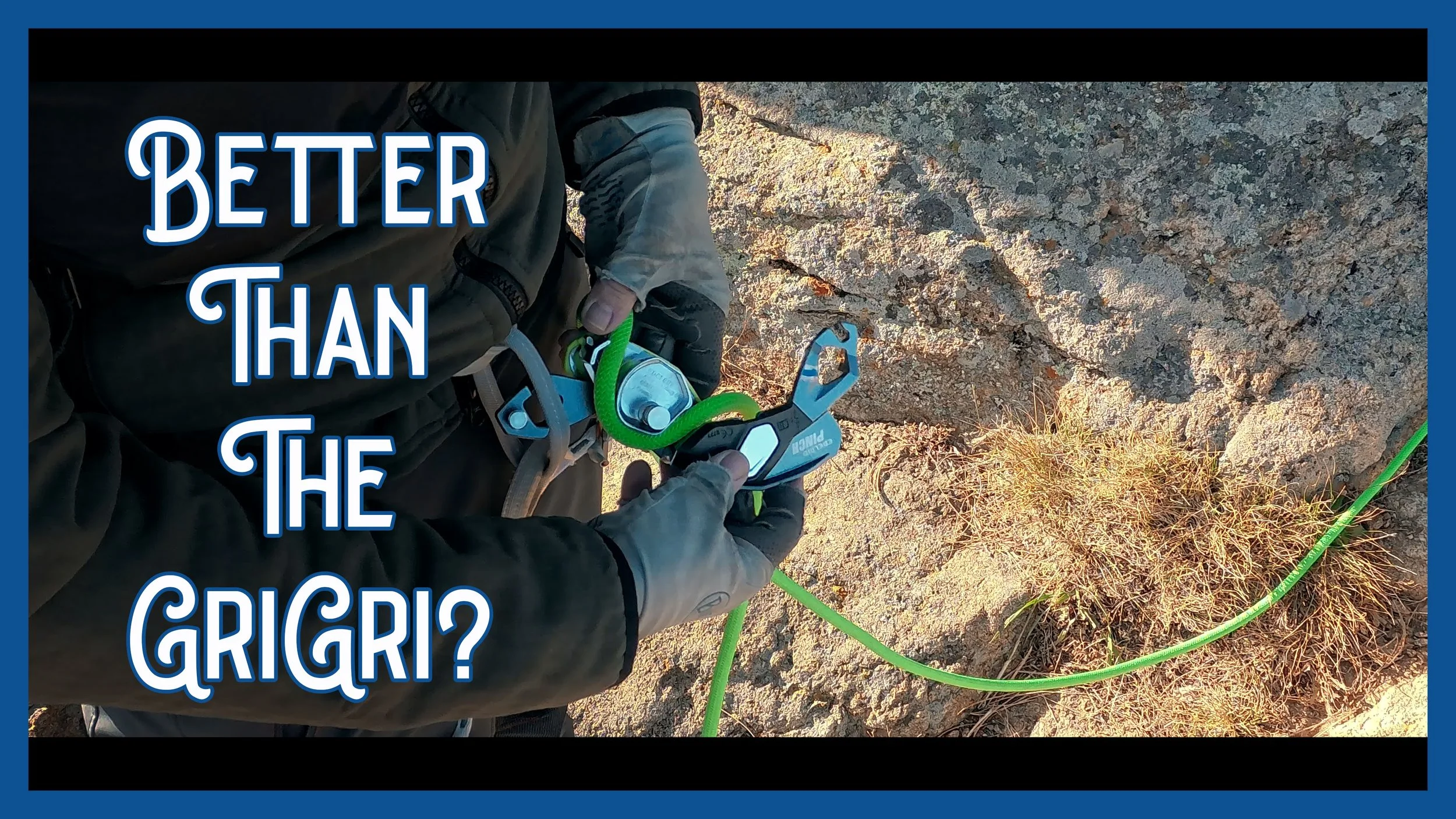
I have been using the Edelrid Pinch break assisting belay device long enough now to have some perspective on the specifications and features that truly distinguish it from the Petzl Grigri. This video goes more deeply into a comparison. I have come to reach for the Pinch, first, in certain applications, but not for all of my climbing. Here's why.
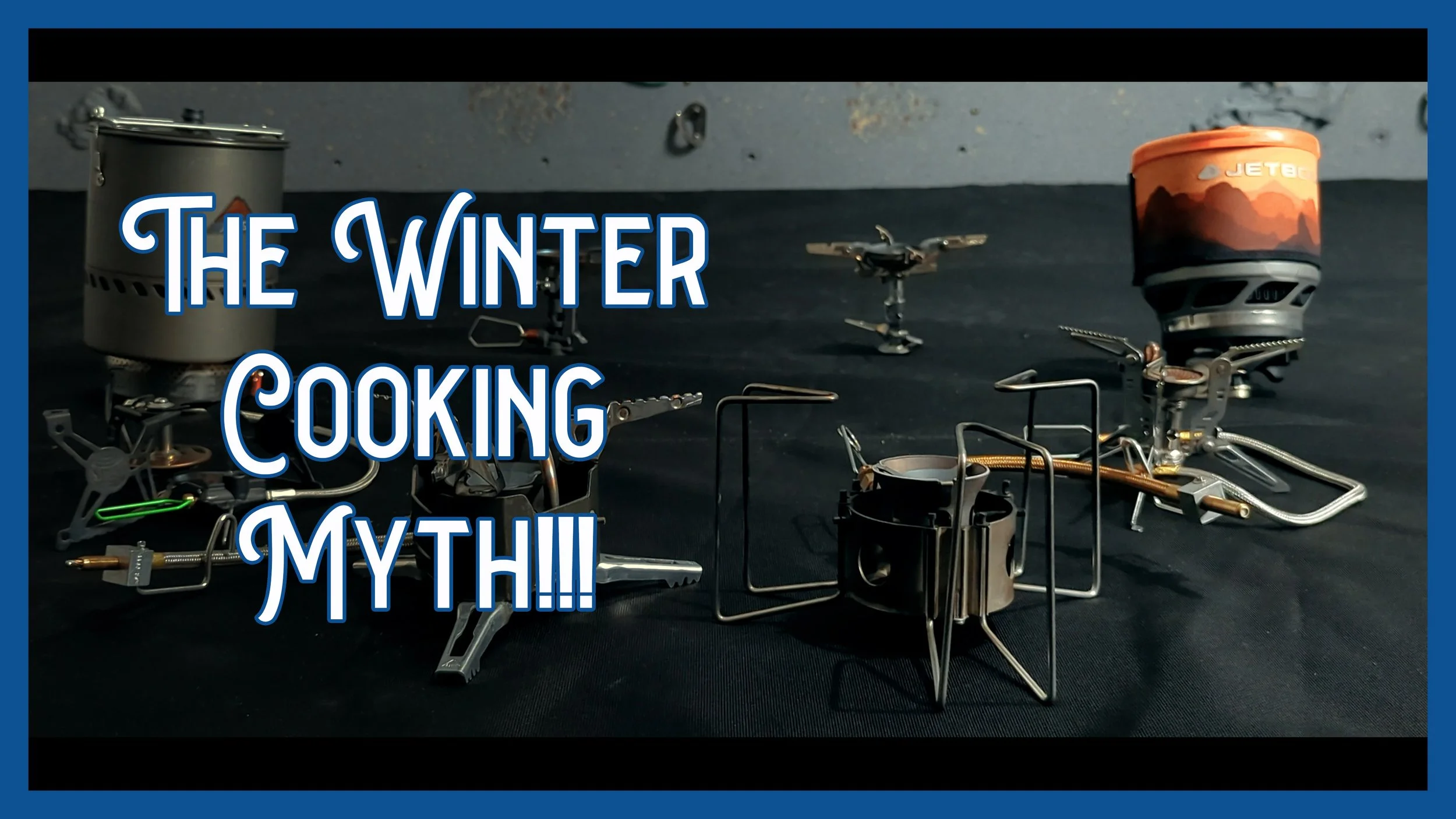
I hear that canister stoves don't work in the cold a lot. But I've also used canister stoves in the cold a lot, and so have many other climbing teams who head to the coldest corners of the globe. However, it could be that there are times that canister stoves make more sense and times liquid-fuel stoves are a better option. This test of eight different stoves sheds some light on how the knocks on canister stoves are overstated as well as circumstances where liquid-fuel stoves might make a better choice.
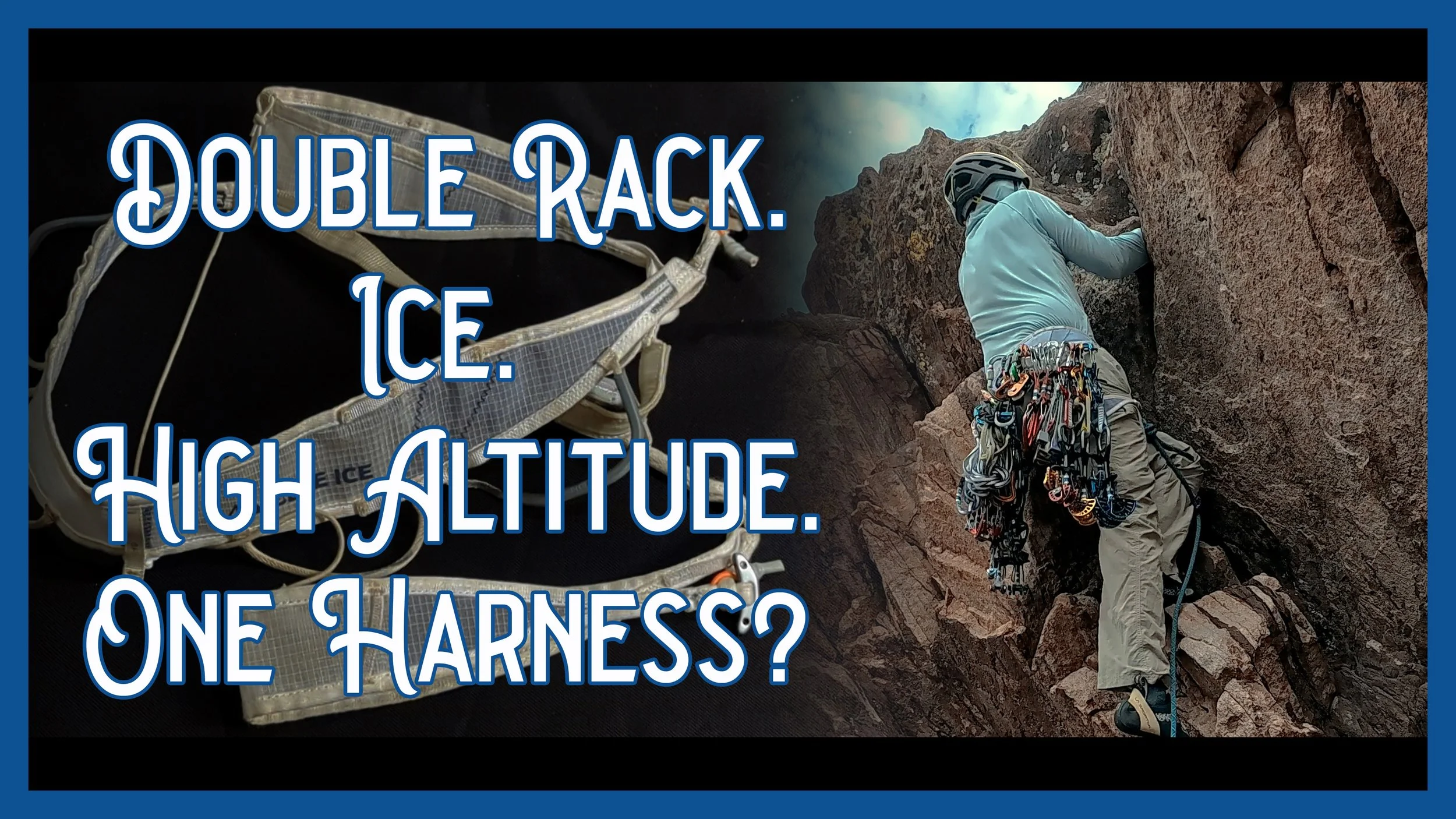
Blue Ice took a really good harness and redesigned and rebuilt it, anyways. Is the new version of the Choucas Pro harness enough of an improvement over the older version to earn a place in your gear closet?
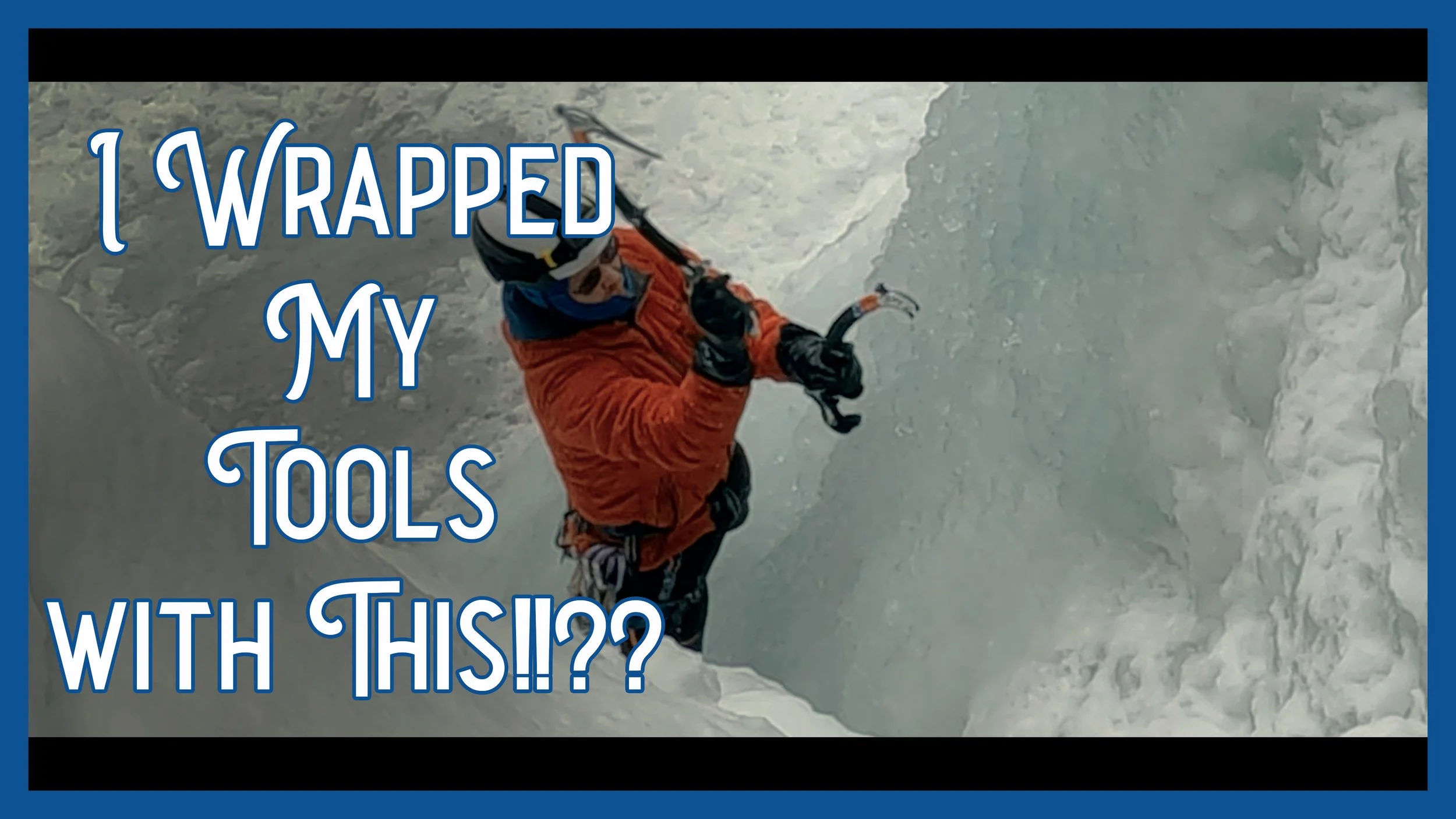
Two years ago, I did a video about the potential I saw in 3M Gripping Material as a wrap for ice tools. Two years later, now, I have found one version of the material to be not good enough and another version to be pretty good, but at a cost.
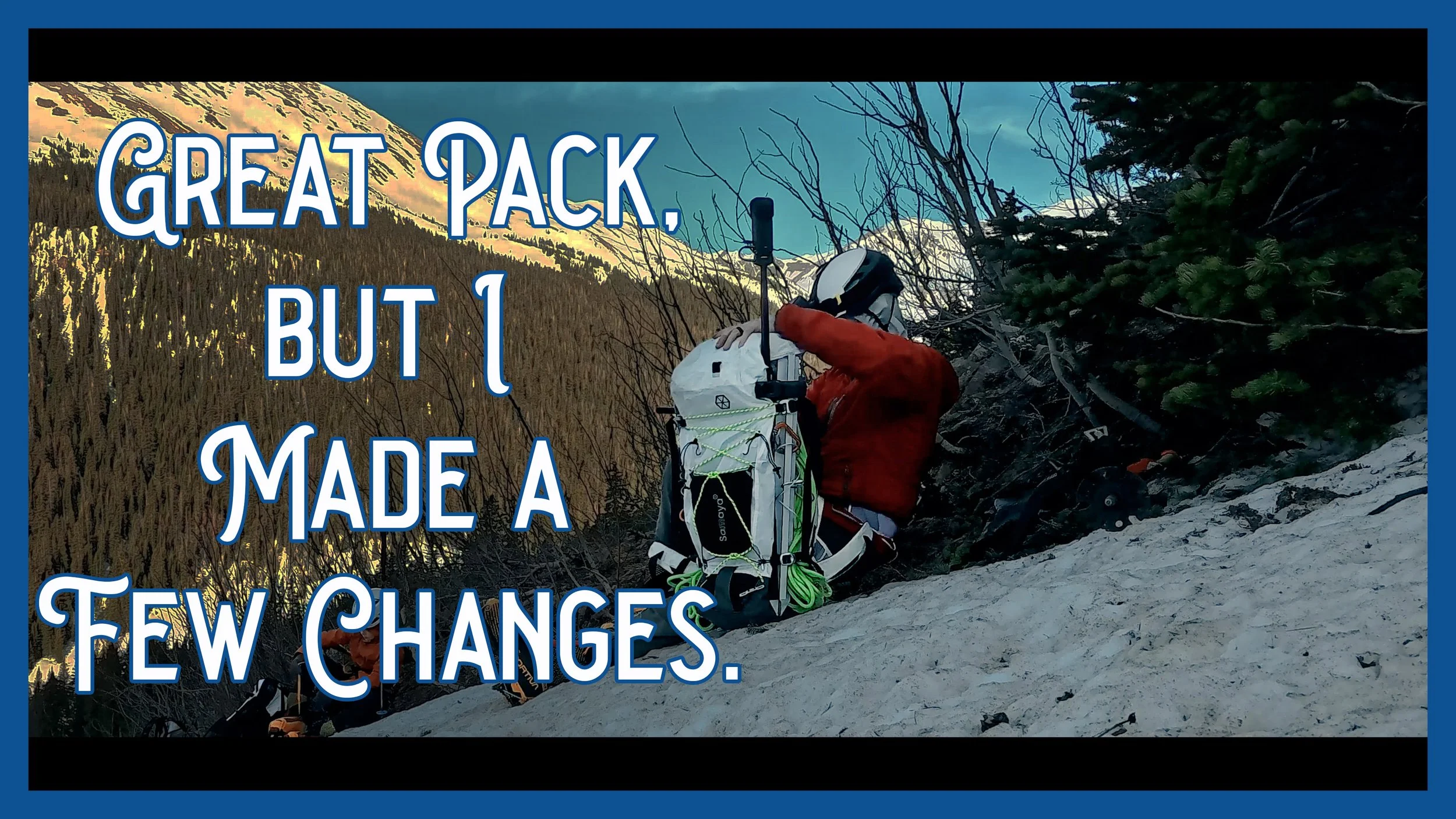
After one year of use and one big expedition in Asia, I've learned enough about the Samaya Ultra 60 pack. Here's what I've found to be the pros and cons along with a few modifications I've made to my pack.
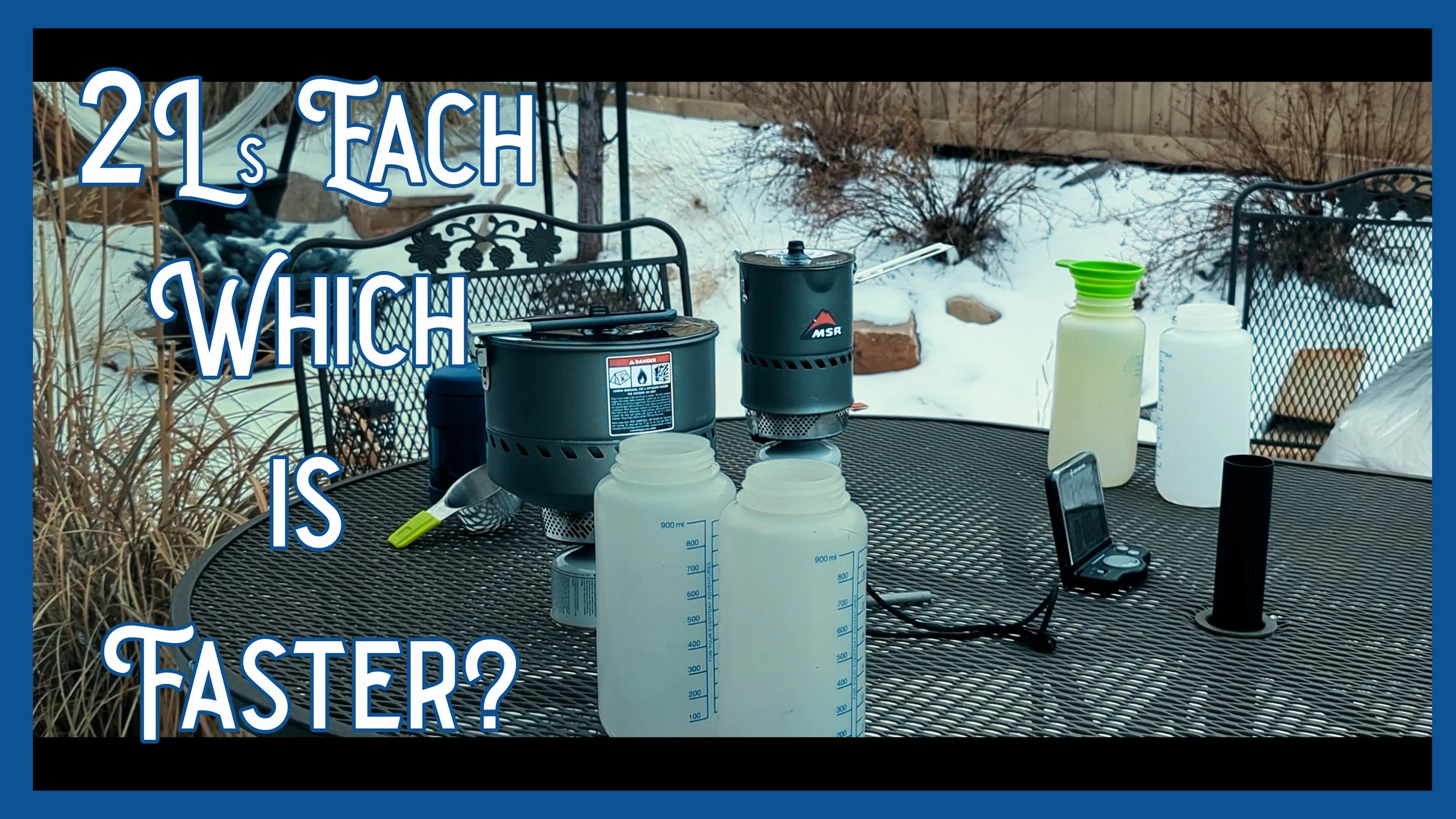
In the older days of gas stoves, conventional wisdom was that a larger pot would make turning snow into boiling water more efficient when on a climbing expedition. But new equipment may have changed the calculus. Here's an experiment I ran to see if smaller or larger pots would be more efficient given different stove types.

Remote canister stoves often improve stove performance in cold weather when compared to standard canister stoves. But remote canister stoves can be hard to use in the harshest environments when there is no means to safely hang the stove. Well, here's a DIY(ish) solution for that problem.

There are lots of ways to maintain a warmer temperature for your canister fuel, thus improving the performance of your camp stove when out climbing, backpacking, or camping in the snow. One way is using a bath for the canister, into which you can pour warm water. Here's how I made one and some options on how to use one.

The La Sportiva G Summit Boots are designed to be worn as either a single boot or a double boot with a removable liner. So, is it one boot that can serve all your needs? Warm enough for cold, high-altitude climbing? Light and maneuverable enough for technical climbing? How's the durability? What about the fit? Lets find out.

Winter climbing trips are often extended from one to two day affairs, or even longer. Trailhead access can be further away as only main roads remain open. And then approach hikes take longer due to difficult conditions, as well. If we need more time out in the backcountry, and now need to set camps, we may want to haul, rather than carry in all that bulky, winter gear. Here is how to build a Pulk Sled that is light and efficient enough for those local trips but also robust enough to stand up to expedition rigors.

As new materials are developed into climbing tools, and as my needs on my climbs have evolved, I've changed up some elements of my standard climbing rack. Here is a look at some soft goods (slings, prusiks, and cords) that I have begun carrying on all my climbs including some pros and cons.

For nearly four years, I have been taking the Hyperlite Mountain Gear Prism pack for most of my alpine climbs, whether that be on rock, snow, or ice. After that long of throwing the pack on my back, here are some of the pros and cons that I've experienced while using it.

Ever hear climbers talk about “insecure climbing” and the fear that brings to them? Well imagine feeling insecure at every step up a rock face. This is what a scramble, which should be a fun romp, can feel like in the wrong footwear. Scrambles are examples of where approach shoes can really make a difference in our enjoyment of the outdoors. Here’s how their specific features combine to make such a big difference.

Just like understanding the tradeoffs between single- and double-walled tents, it is equally important to understand the basic differences in single- and double-boots when we head up for an alpine climb or mountaineering attempt. While the differences between specific boots will be varied, there are some general differences between boots with and without removable liners that I keep in mind when selecting a boot for a climbing adventure. Here is what I consider when deciding what to put on my feet.

For over a decade, I've been using the same split finger gloves (or split finger mittens) as a compromise between the warmth of a mitten and the dexterity of a glove. They aren't right for every trip but I can use them in a surprising amount of situations. Here's a video on some of the pros and cons and how I choose when to use them.

Famed high altitude mountaineer Ed Viesturs has used two-person quilts on the highest mountains in the world. Backpackers often use quilts, now, as a matter of course. So, my family has been using the two-person Enlightened Equipment Accomplice sleeping quilt for backpacking and for alpine climbing, both to add warmth (body heat of a second person) and cut weight (less per-person weight). This video offers a product review.

If we are out on a backpacking trip or an alpine climb, we are already counting ounces. More efficient canister stoves tend to be heavier. So, how many days of fuel use need to happen before that efficiency and saved fuel pays off when compared to carrying a lighter, less efficient stove with, therefore, more fuel? We did a first test in summer conditions.
What is it like to sleep in a hypoxic tent? What's the experience that isn't detailed in the manual? My family and I used a normobaric (no different air pressure, just reduced oxygen percentage) hypoxic tent to help us pre-acclimatize prior to an expedition to the Indian Himalaya. Here's what we experienced.