
All blogs
Every full length (longer than 60 seconds) video and accompanying blog post
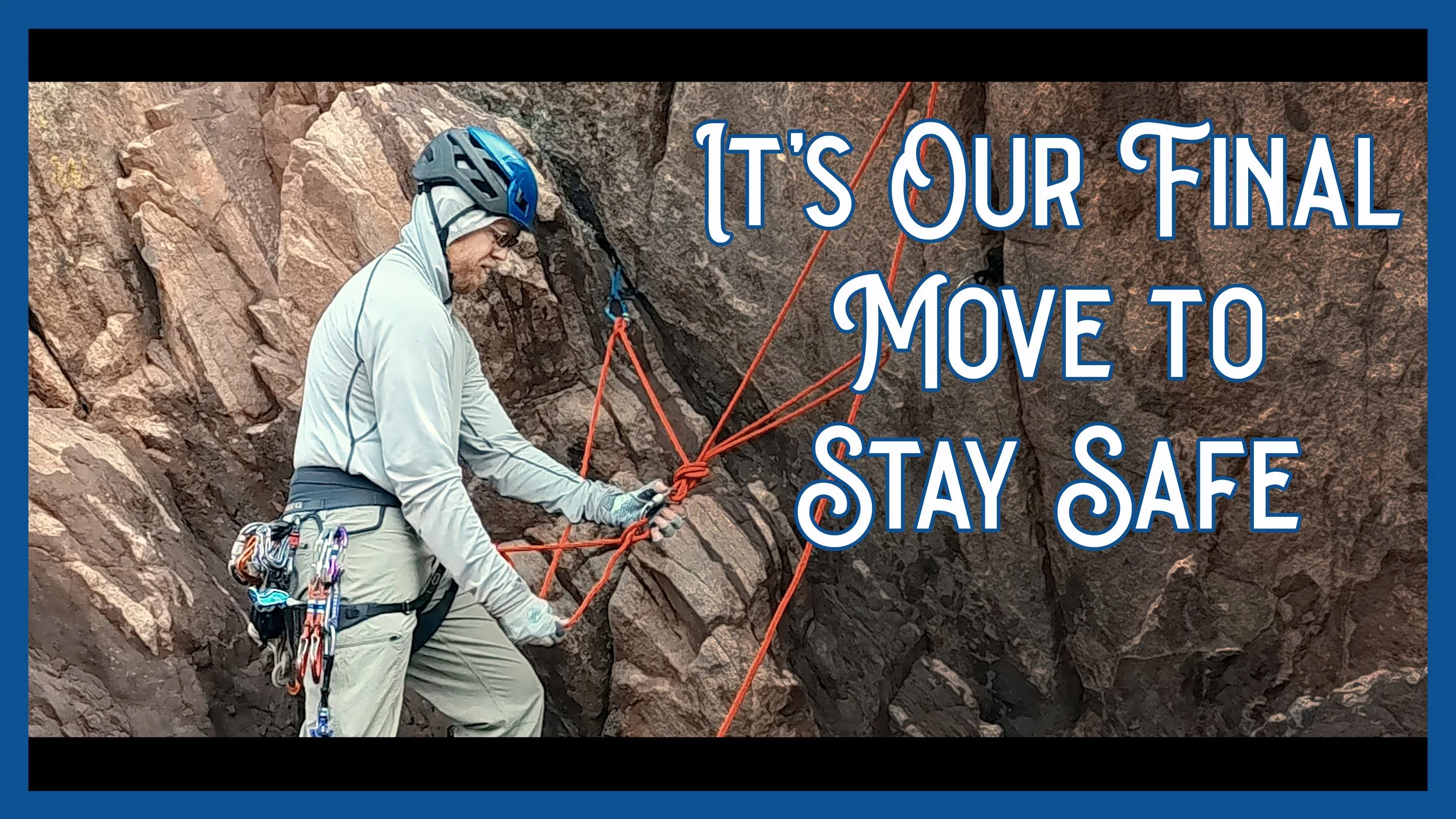
Clove Hitch vs PAS: What Every Climber Needs to Know
Another discussion that seems to get climbers strangely combative is the decision to clove hitch into an anchor or to use a personal anchor system, or PAS. Well, like most things, there are tradeoffs. Let's get into several of those tradeoffs which might tilt you to using one or the other system in a given situation.
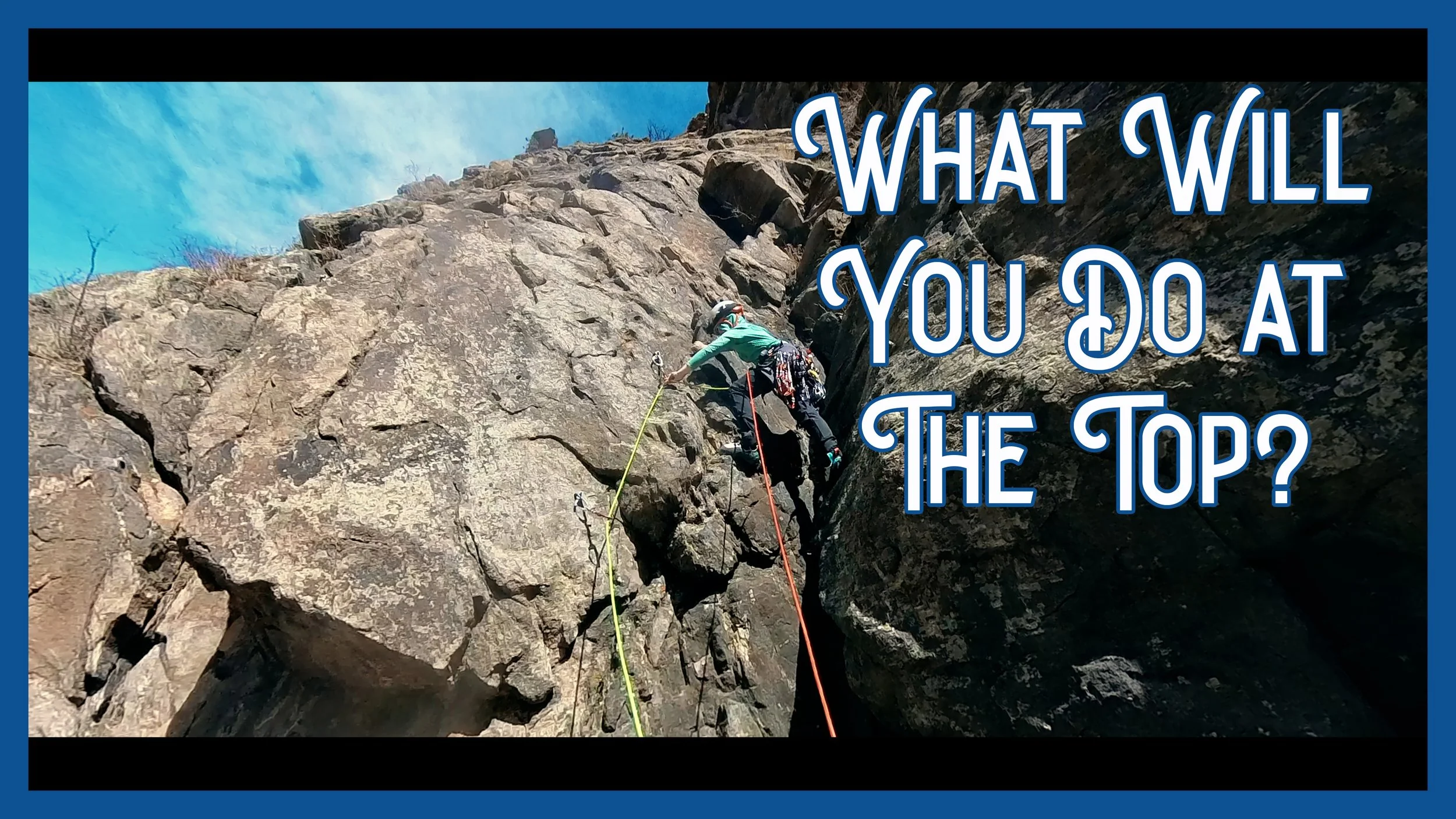
Why You Should Switch to Rope Anchors (or Not!)
Climbers seem to get overly heated up when talking about things like using the rope to make our anchors or using slings, runners, or cords. Well, like most things, there are tradeoffs. Let's get into several of those tradeoffs along with some of the uses cases where I might use one solution over another.
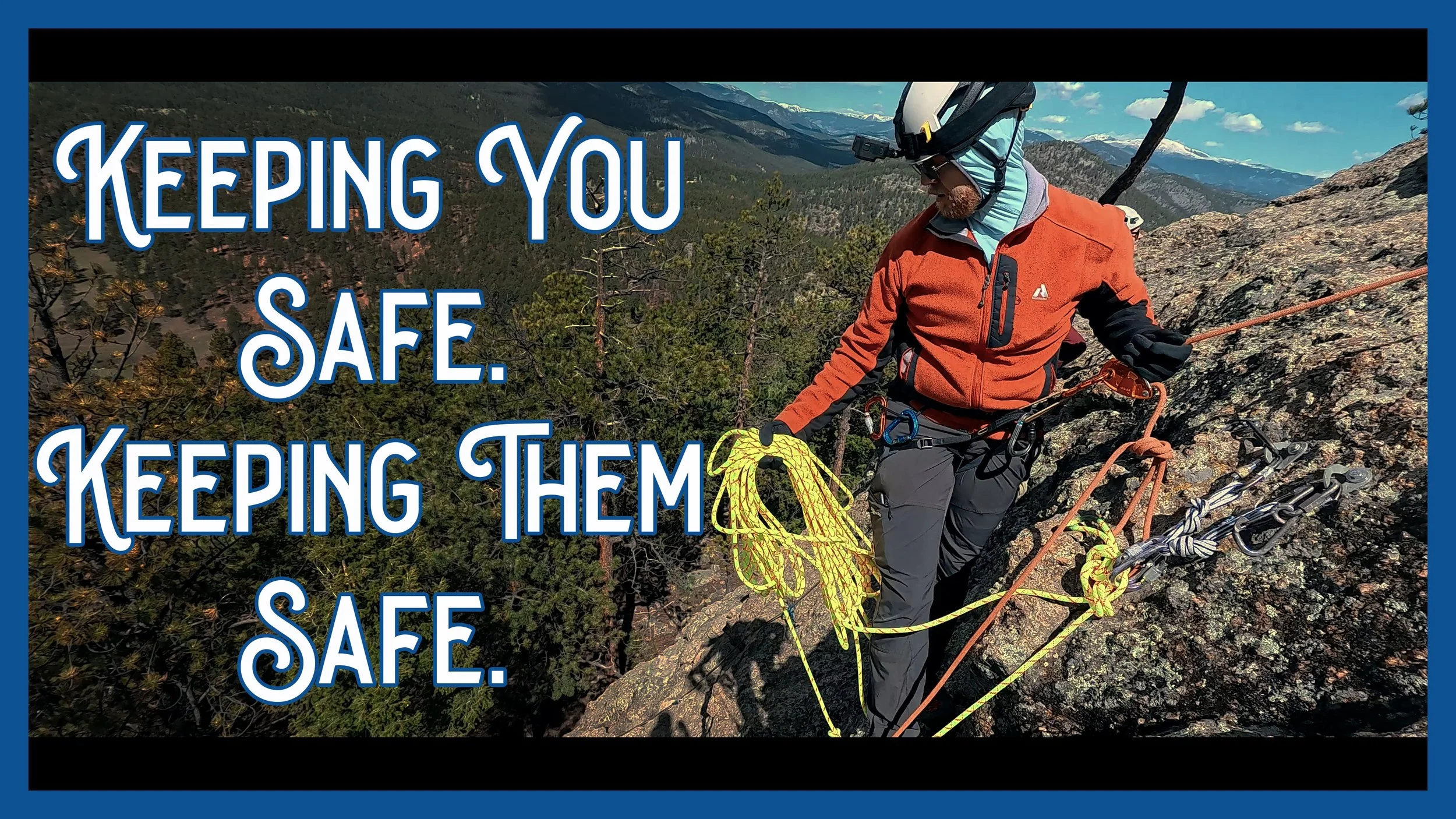
Setting a Top Rope on a Ledge: Keeping You and the Climbers SAFE
There's a lot to think about when we are parents with climbing kids or are transitioning from being a climber who is looked after to one who is looking after others. One of the key activities we do in these roles is setting top rope anchors. So, here's one scenario where we set an anchor on the other side of a ledge. This is how I might keep myself safe while setting the anchor and how I make sure the anchor will keep the climbers safe when climbing.
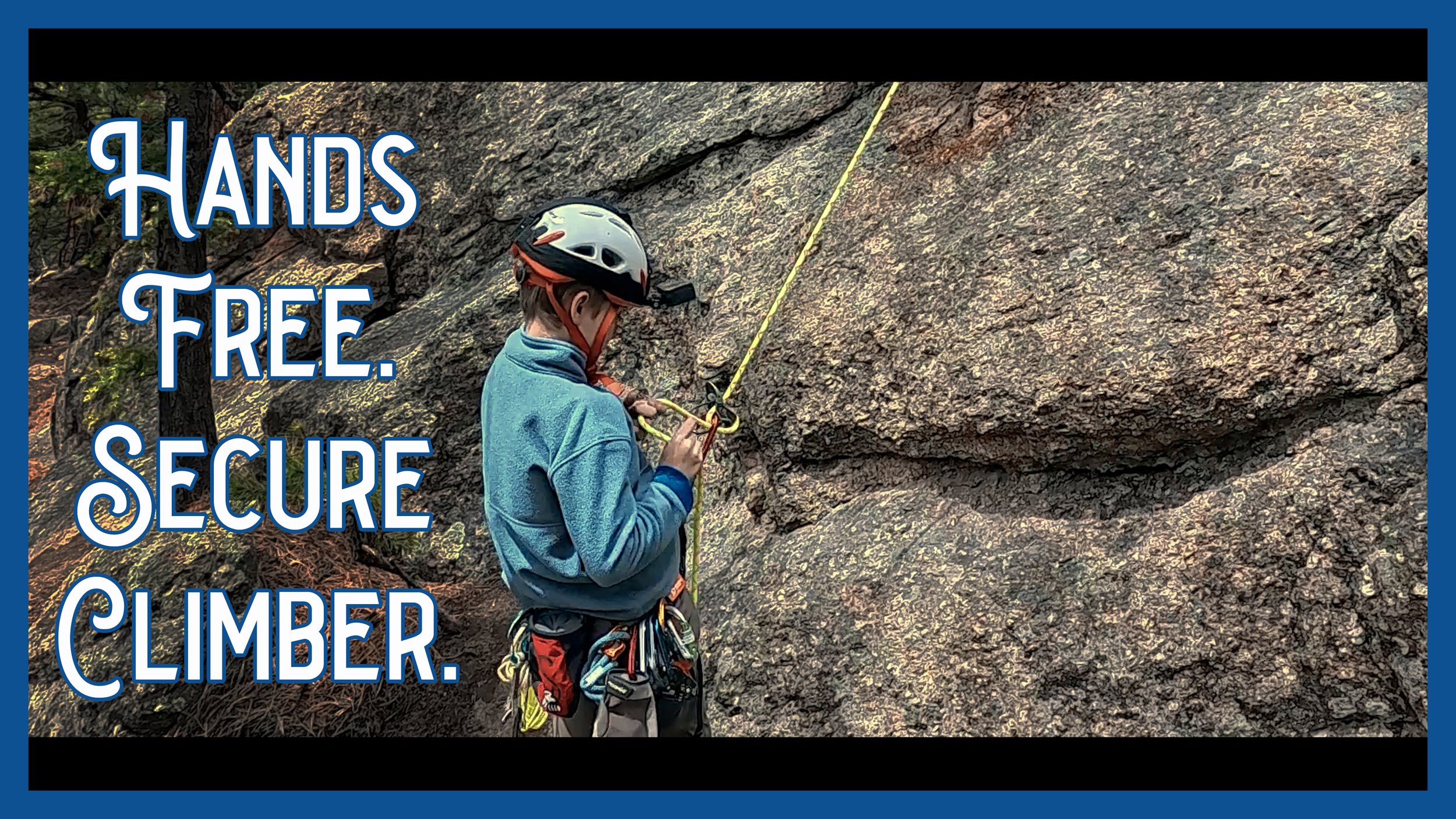
The 4 Plaquette Tie-Off Techniques That Keep Climbers Safe
There are times we want to tie off a belay to keep our climber temporarily safe as we go hands free. Here are four different methods for tying off a tube-style plaquette device along with how those methods compare across certain scenarios.
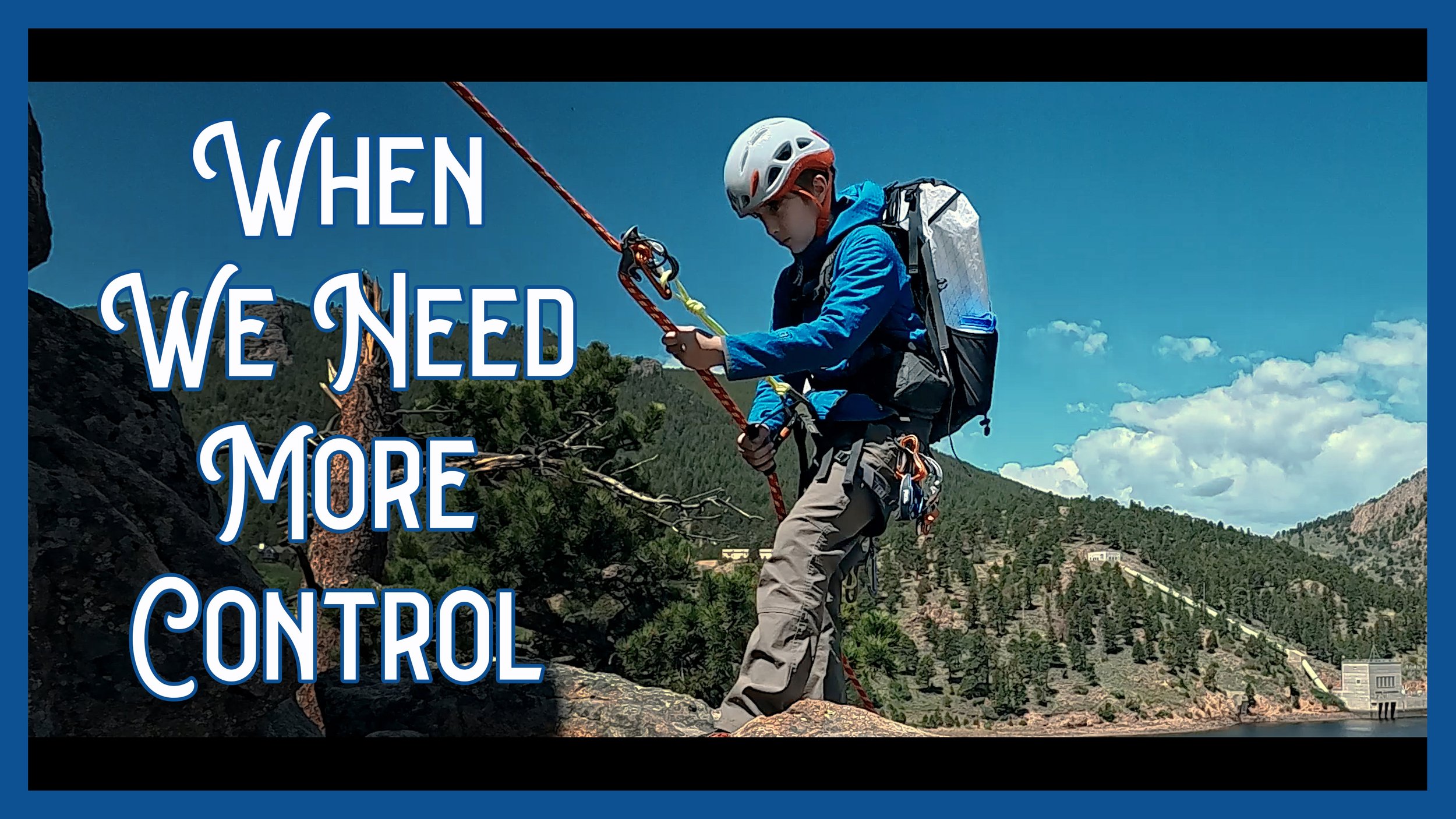
Heavy Load or Icy- or Thin-Line Rappels Need This Friction Hack
Icy climbing ropes. Thin ropes. Extra weight on the rappel. There are multiple reasons why we might want to add additional friction into our rappel (abseil) system. Here are three options for when we are rappelling on a plaquette (tube-style with guide mode option) device.
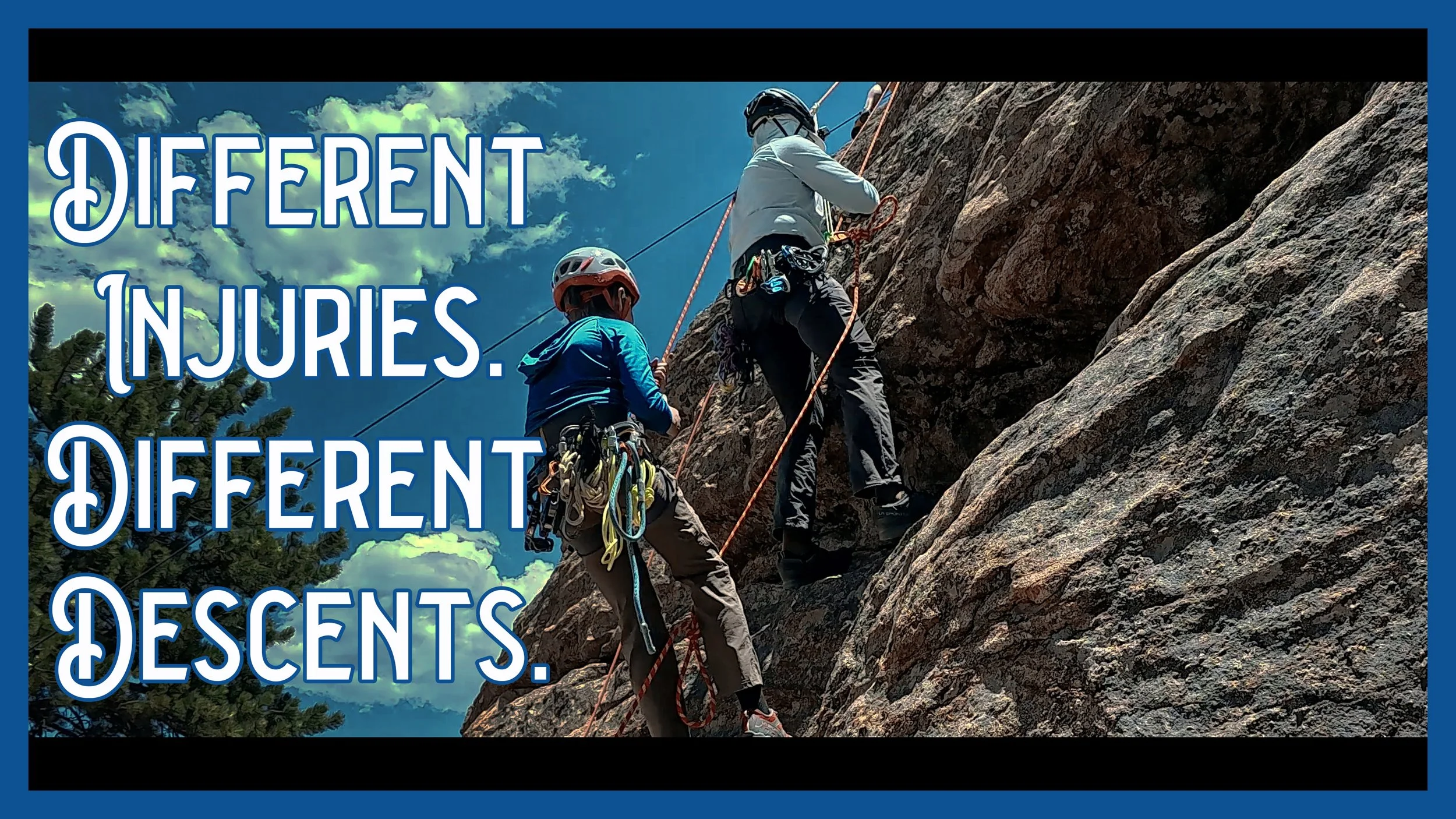
Pick-Off Descent Positions: Find What Fits Your Situation
One of the standard rescue procedures in a single pitch scenario is the pick off, and it begins with the belayer ascending the belay strand to meet the climber that is on the wall. Once we get to the climber, potentially their size and their injuries might dictate how to position them as we head down. Here are three options.
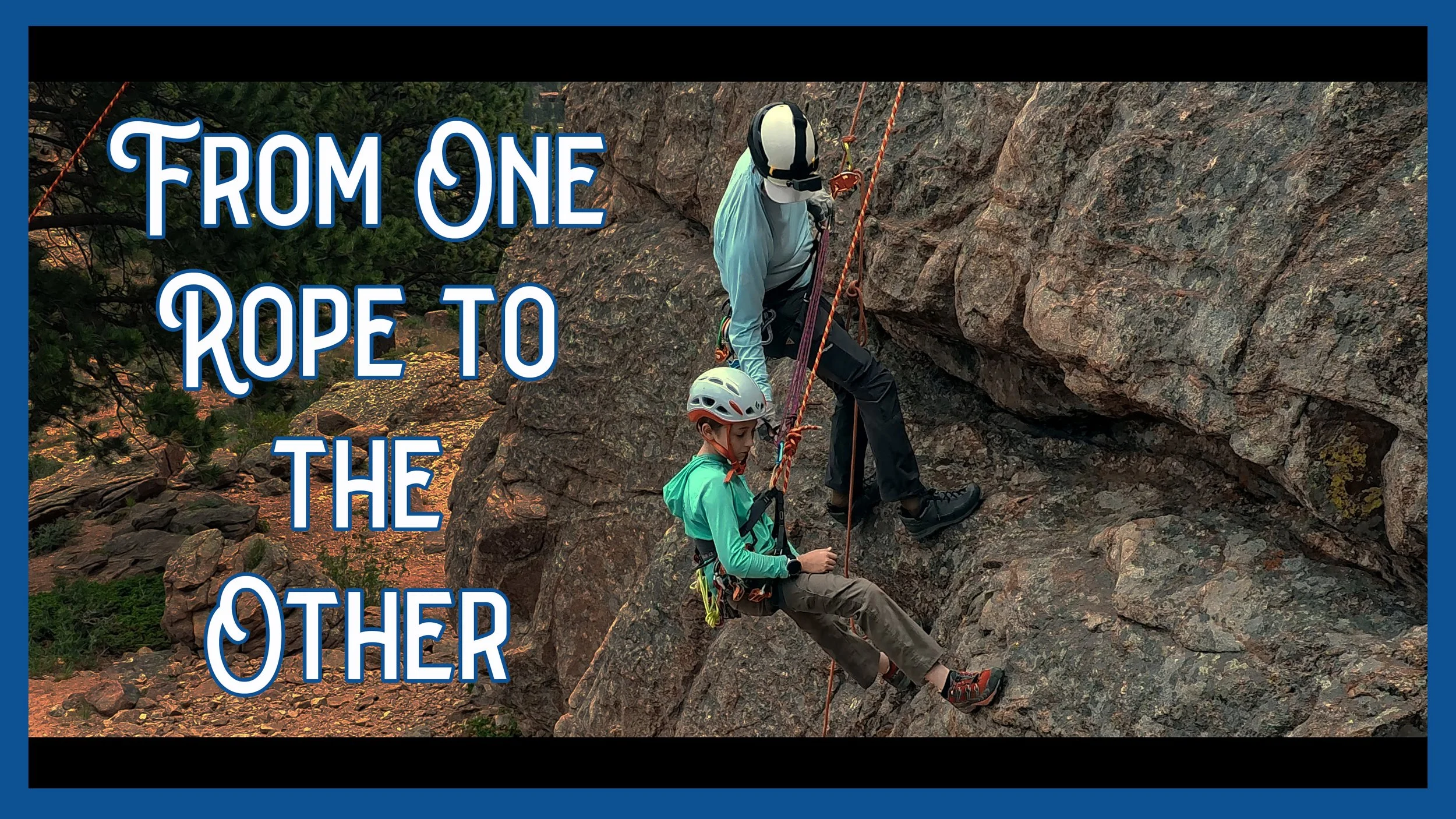
Fixed Lines and Climber Load Transfers | A Single Pitch Rescue Scenario
One of the standard rescue procedures in a single pitch scenario is the pick off, and it begins with the belayer ascending the belay strand to meet the climber that is on the wall. Well, when we have a significantly lighter climber than we have a belayer, that ascension cannot happen. Here's how I worked around this issue when I was routinely climbing with climbers who were lighter than I am.
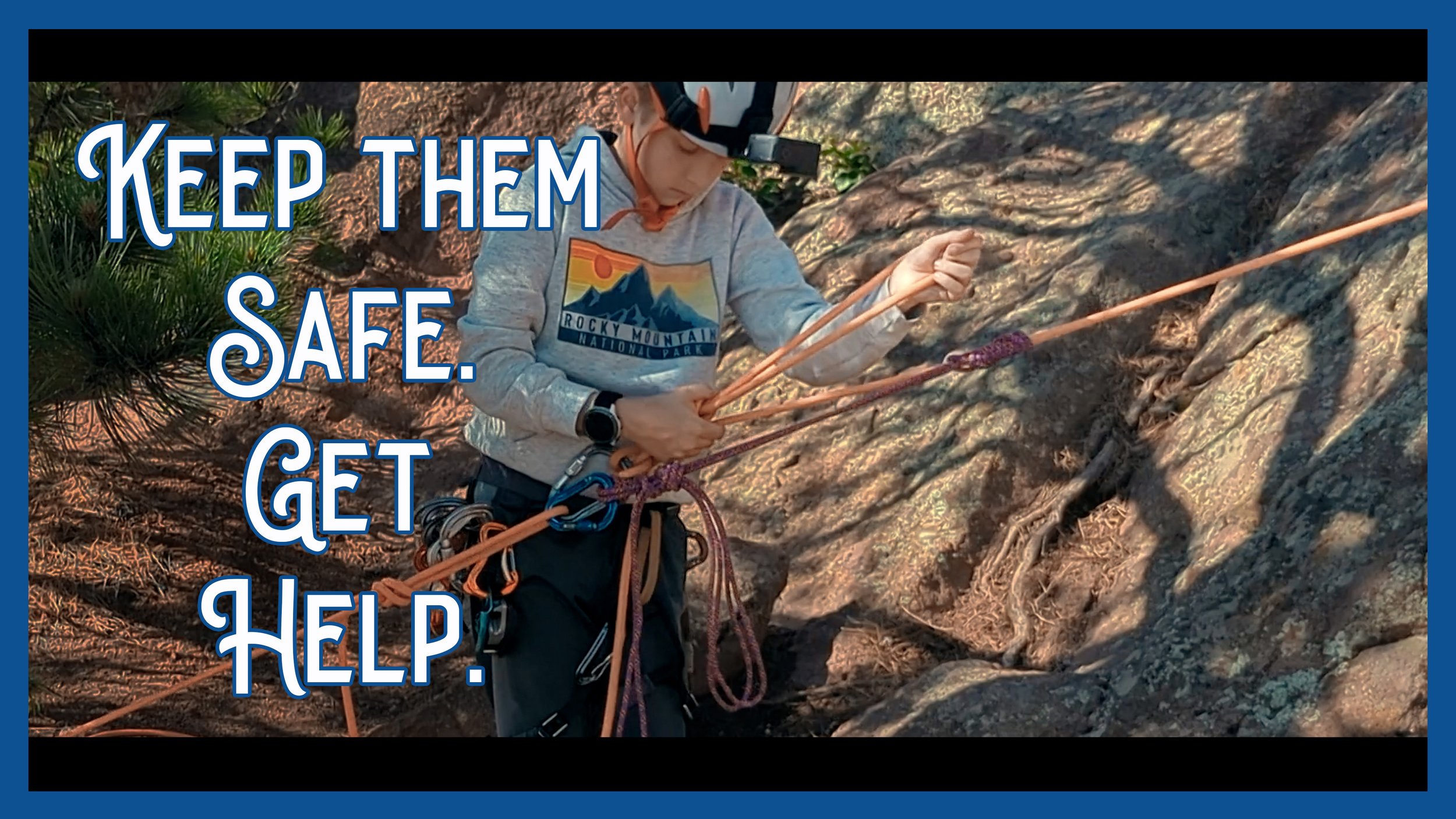
Injured Climber? Let's Escape the Belay
One of the standard rescue procedures in a single pitch scenario is the pick off, and it begins with the belayer ascending the belay strand to meet the climber that is on the wall. Well, when we have a significantly lighter climber than we have a belayer, that ascension cannot happen. Here's an alternative first step that frees us from the belay so that we can get help or get another rope in place to get us to our climber in need.
Your Weight Difference Is Blocking the Pick Off Rescue
One of the standard rescue procedures in a single pitch scenario is the pick off, and it begins with the belayer ascending the belay strand to meet the climber that is on the wall. Well, when we have a significantly lighter climber than we have a belayer, that ascension cannot happen. Here's how we can identify if we will potentially have an issue.
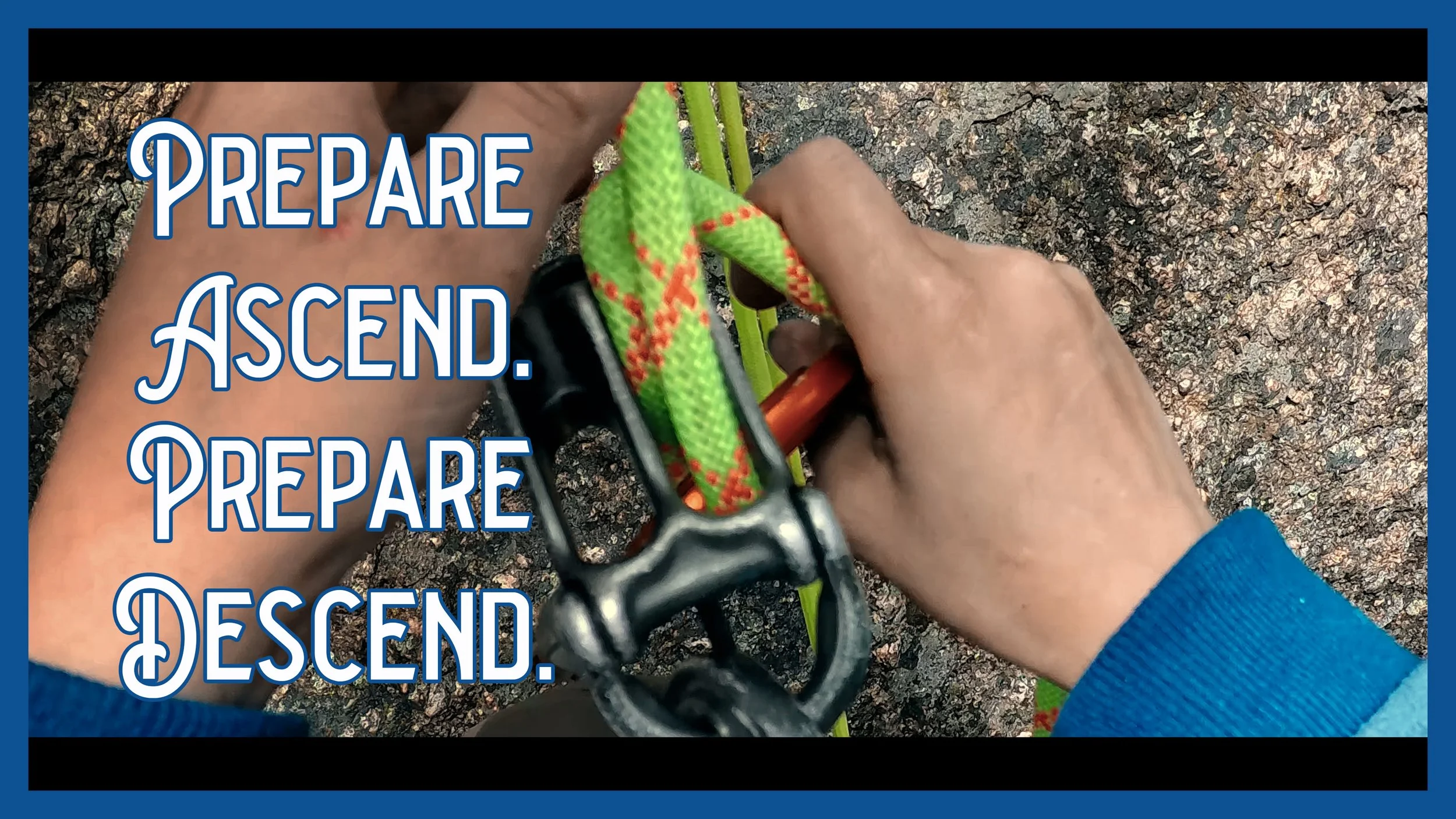
Plaquette Pick Off Rescue Explained | Single Pitch Technique
In a single pitch scenario, with a belay coming from the ground either to a leader or a top roping climber, we can still end up with an injured climber on the wall who needs medical attention or assistance getting down. The pick off gets us up to the climber and gets both of us back down again. Here is the procedure when using a tube-style plaquette belay device.
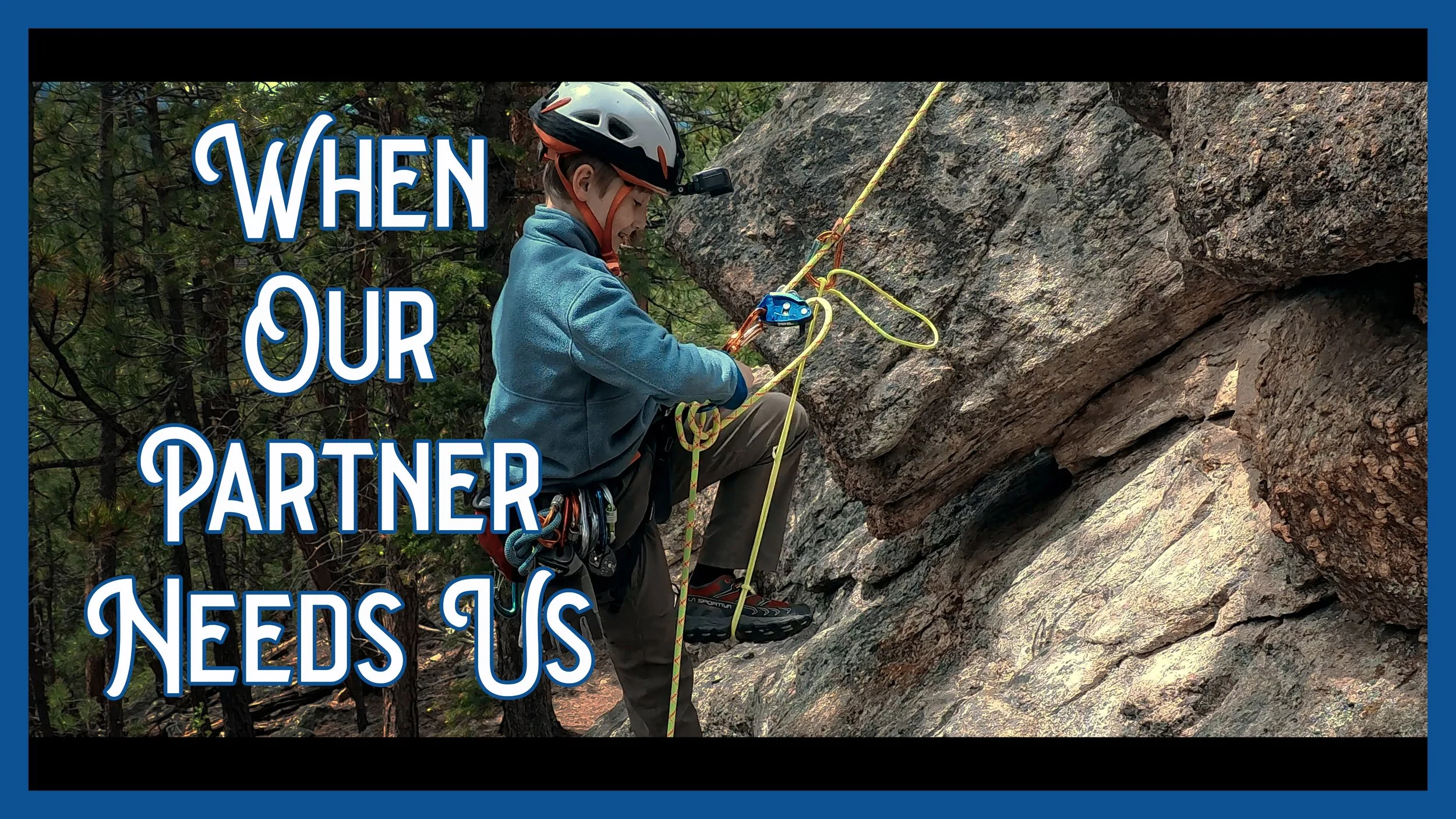
Grigri Pick Off Rescue Technique
In a single pitch scenario, with a belay coming from the ground either to a leader or a top roping climber, we can still end up with an injured climber on the wall who needs medical attention or assistance getting down. The pick off gets us up to the climber and gets both of us back down again. Here is the procedure when using a Grigri or similar assisted braking belay device.
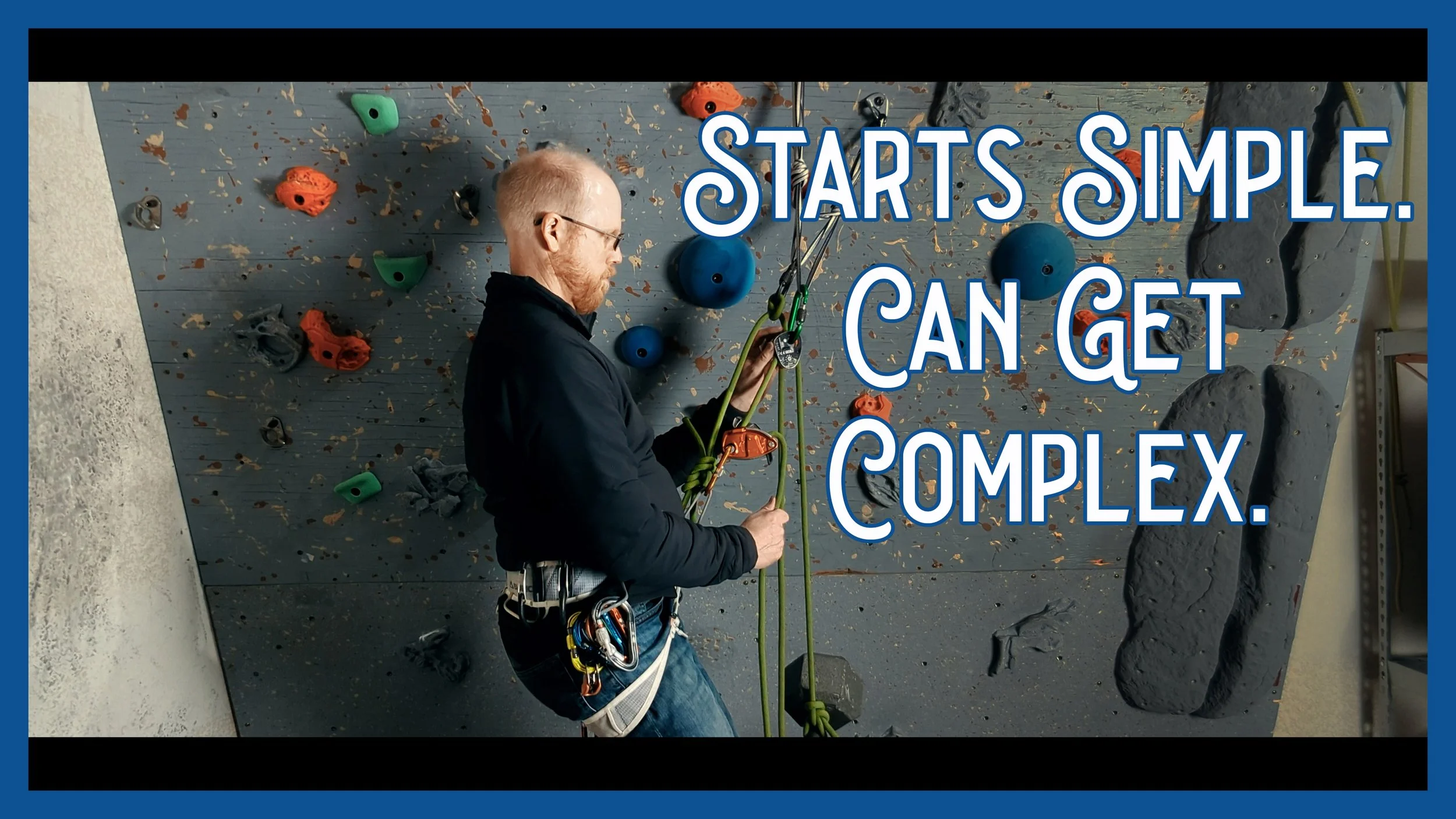
Crevasse Rescue: Micro Traxion Lower Technique
Adding on to our videos about crevasse rescue, we could have a situation where we set up a haul only to discover, after making contact with the victim, that we actually need to lower them, as there is a walk out possible from lower in the crevasse. Well, if we have a pully-and-cam based progress capture like a Petzl Micro Traxion already set up, we need to switch from raise to lower, and there could be some complications we need to consider.